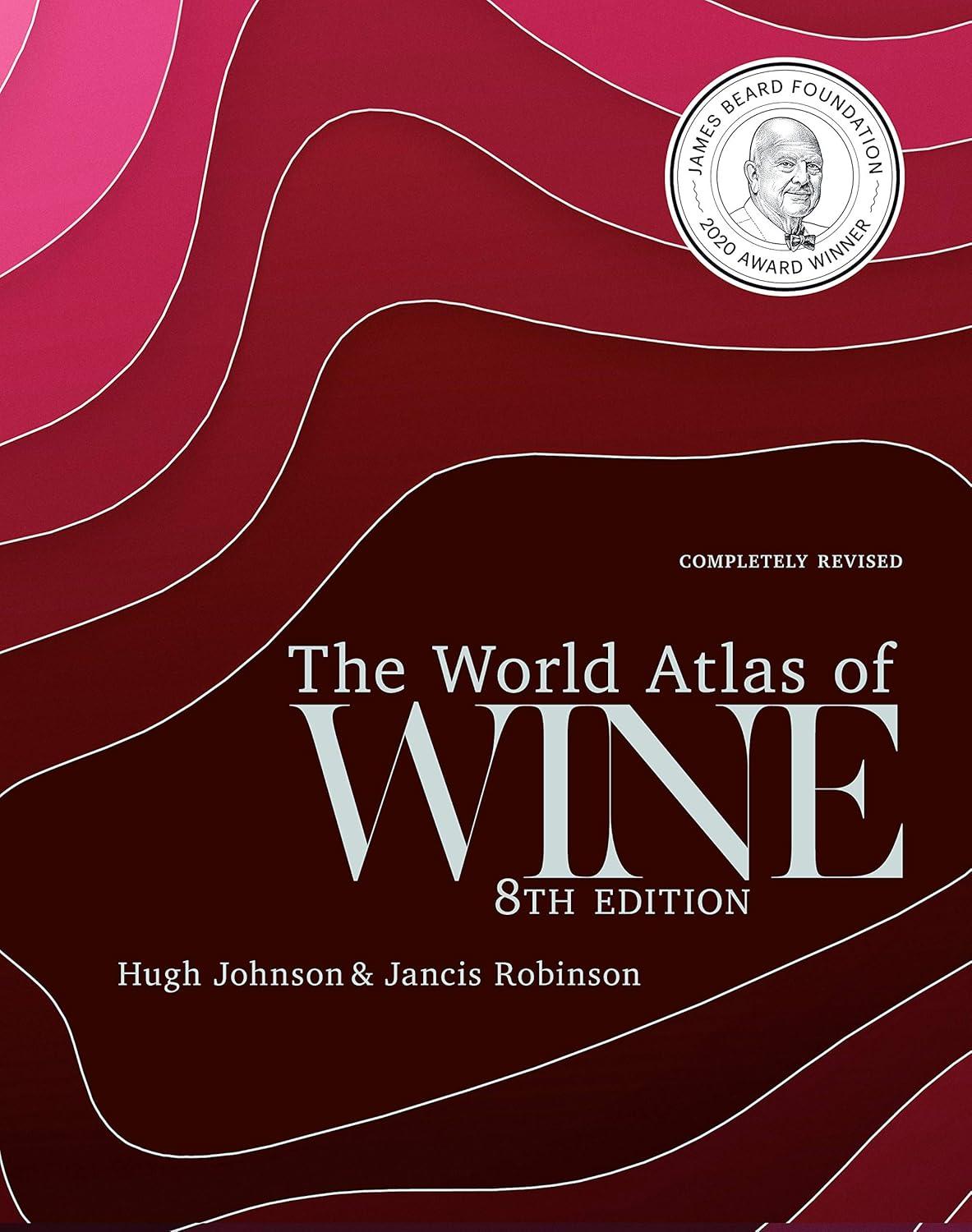
In the ever-evolving world of wine,where regions rise and fall and new varieties capture our imagination,having a reliable reference is essential for both enthusiasts and seasoned connoisseurs alike. Enter “The World Atlas of Wine, 8th Edition,” a comprehensive guide that has been hailed as the definitive resource for wine lovers around the globe. This isn’t just a book-it’s a meticulously crafted exploration of viticulture that stands as a testament to the hard work of it’s esteemed authors, hugh Johnson and Jancis Robinson. With its recent accolades,including the prestigious 2020 james Beard Award,this edition promises to be the most thorough and visually stunning yet.
As we delve into this latest installment-a veritable treasure trove of knowledge weighing in at a robust 416 pages-our anticipation is palpable. With the addition of 22 new maps and a total renovation of the text to reflect the latest developments in the wine industry, we find ourselves eager to uncover the intricacies of the world’s wine landscapes. Whether we’re navigating the lesser-known regions or revisiting established classics, this atlas aims to enhance our understanding of what we uncork and savor.
Join us as we explore the beautifully curated photography, freshly minted infographics, and the unparalleled expertise contained within these pages. Will “The World Atlas of Wine, 8th Edition” live up to its reputation as an indispensable resource? Let’s pour ourselves a glass and find out!
Table of Contents
Exploring the Depths of The World Atlas of Wine 8th Edition

Exploring the depths of The World Atlas of Wine 8th Edition takes us on a journey through every corner of the globe where wine is produced. We truly believe this is an essential resource for wine enthusiasts and professionals alike. The detail-packed pages of this atlas invite us to dig deeper into the terroirs that shape our favorite varietals. From the lush vineyards of Napa Valley to the historic regions of Europe, each map draws us in.
One thing we really appreciate is the clarity and beauty of the multi-colored maps. With 22 new maps added in this edition,it feels like we have a passport to the world’s wine regions right in our hands. The layout allows us to visualize the geographic features that influence wine production, such as hills, rivers, and climate zones. Each region is not just marked; it is told, allowing us to grasp the essence of where and how our wine is made.
As we delve into the text, we find it surprisingly approachable. This book manages to balance being comprehensive without feeling like a textbook. We can get lost in the stories of various appellations and their histories while also learning about the nuances of their respective terroirs. Plus, the integration of soil science alongside oenology brings a interesting dimension to our understanding, enriching our tasting experiences.
The rich illustrations throughout add another layer of enjoyment. It’s not just facts; it’s a visual feast. We find ourselves flipping through, eager to see the breathtaking photographs that accompany the text. This immersive approach makes learning about wine engaging and enjoyable, allowing us to pair the knowledge with our personal tasting experiences. This isn’t just a reference book; it’s a companion that brings the world of wine into focus.
we feel like we’re getting more than just a book with The World Atlas of Wine. It’s an investment in our wine education and an invitation to explore the beauty of wine culture across the globe. If you’re as passionate about wine as we are, this atlas should undoubtedly have a place on your shelf. check it out for yourself and see how it transforms your wine knowledge into a deeper appreciation of this ancient craft.
Unveiling the features That Elevate Our Wine Journey

we absolutely love diving into The World Atlas of Wine 8th Edition! This edition is packed with features that truly enhance our understanding of wine and its myriad of regions. With stunning visual maps and comprehensive insights, it’s hard not to be captivated. Each wine-producing area is carefully documented, providing us with not just the ”where,” but the “why” behind the wines.The beautifully illustrated maps and diagrams show everything from soil types to elevation, giving us a fantastic grasp of the terroir that contributes to each bottle.
The wealth of knowledge packed into this volume makes it invaluable for both casual enthusiasts and aspiring sommeliers. We particularly enjoyed how accessible the text is, even while covering complex topics like soil science and climate. It feels more like an engaging conversation than a textbook. Those of us preparing for certification exams found the institution and presentation of information extremely helpful. The detailed maps help us connect the dots, making it easier to remember important regions and their unique characteristics.
Moreover, the book doesn’t shy away from celebrating the historical aspects of wine, intertwining geography, history, and oenology seamlessly. The authors, Hugh Johnson and Jancis Robinson, have done a remarkable job updating the content to reflect today’s wine landscape. It’s lovely to see that the visual appeal of the book is as rich as the information it contains. Every page invites us to explore further, making it a delightful reference that we find ourselves returning to over and over again.
As we continue our wine journey, this atlas is our go-to resource. It not only enhances our learning but also stirs our curiosity. With its artistic maps and easy-to-digest text, we can easily suggest themes for our tasting group meetings. Whether we’re discussing specific regions or tracing the effects of different soils on flavour, the insights we gain from this book bring our wine experiences to a new level. We could hardly ask for a better companion in our quest for deeper wine knowledge.
if you’re serious about your wine journey, The World Atlas of Wine 8th Edition is an essential addition to your libary. With its stunning maps and up-to-date information, it makes the complex world of wine feel approachable and engaging. There’s so much to learn, and this atlas lays it all out beautifully!
Navigating Through Diverse Wine Regions and Varieties
When it comes to , The World Atlas of Wine 8th Edition truly shines as an essential tool for enthusiasts like us. This edition offers an immersive journey through the landscapes, grape varietals, and wine histories that shape the global wine industry today. With vibrant maps and engaging commentary, we feel equipped to explore the complexities of wine geography like never before. Understanding where and how wines are produced enhances our appreciation and enjoyment, guiding our choices with greater awareness.
The detailed maps are a standout feature.We’ve noticed they’re not just pretty pictures but serve an educational purpose, giving insight into the geographical factors that influence wine.From mountains and rivers to soil types, each map helps us visualize the intricate relationships that affect the taste and quality of the wines we adore. It’s fascinating to see how the terroir-those unique environmental factors-shapes the wines of regions we’ve often only read about. This atlas has put a wealth of knowledge at our fingertips, making it easier to plan our next tastings and discussions with friends.
There’s a certain thrill in flipping through pages filled with beautifully illustrated maps and information that bridges various disciplines-geography, history, and even botany. For our wine tasting group, this atlas serves as an inspiration. We’ve used it to delve deeper into themes for our meetings, allowing us to explore lesser-known regions alongside classic appellations. This blend of knowledge encourages rich conversations about the wines we sample.No more just drinking; it’s about understanding the story behind each bottle.
In an age full of digital resources, having a tangible reference like this atlas feels refreshing. It’s like keeping a personal library where we can always turn back to learn something new, whether it’s a specific vineyard’s background or the subtleties of a new varietal. Furthermore, each edition brings updates that reflect the ever-changing landscape of the wine world, ensuring we’re equipped with the latest insights.this atlas is a visual feast and a treasure trove of information-an essential companion for anyone serious about their wine exploration.
As we continue our journey through the world of wine, it’s clear that The world Atlas of Wine 8th Edition will be an indispensable part of our learning process. For those looking to deepen their understanding of wine regions and their unique characteristics, this atlas is a fantastic investment.We wholeheartedly recommend adding it to your collection alongside those cherished bottles of wine.
Gaining Insights from Expert Perspectives and Stories

When it comes to ,we find that The World Atlas of Wine 8th Edition serves as an indispensable resource.This book seems to encapsulate the wisdom of the ages in the world of wine. With contributions from Hugh Johnson and Jancis Robinson, we’re treated to a rich tapestry of information that combines geography, history, and science. The authors masterfully craft a narrative that allows us to journey through various wine regions, understanding not just the wines themselves but the very essence of the lands where they thrive.
As we dive deeper into the rich illustrations and beautifully detailed maps, we realise how helpful these visual elements can be. The atlas doesn’t just tell us about regions; it captures the unique character of each area.We feel as tho we’re walking through the vineyards ourselves, exploring the soils, climates, and altitudes that shape each varietal. It’s a visual feast that complements the written word perfectly. For anyone serious about understanding the intricate relationship between wine and its terroir, this book deserves a spot on our shelves.
Every page turned introduces us to new stories and insights,enhancing our appreciation of the complexities involved in winemaking. This text dives into the history behind each region, giving us context we never thought we needed.We especially enjoy realizing that winemaking is as much about the land as it is about the grapes. The narratives are woven with personal anecdotes from well-respected figures in the wine industry, offering us a glimpse into their journeys and experiences. This connection draws us closer to the passion that fuels the winemaking profession.
The combination of practical knowledge and stories from industry experts feels like a mentorship in book form.whether we are sipping at our wine tasting group or prepping for a sommelier exam, the insights we’ve gained from this atlas enrich our conversations and deepen our understanding. The information feels accessible yet profound, empowering us to make informed choices when selecting wines. We can’t help but appreciate the collaborative efforts of Johnson and Robinson in curating such a masterpiece, as they have created a volume that resonates not just with novices but also with seasoned connoisseurs.
In essence, finding expert perspectives woven into the fabric of this atlas elevates our understanding of wine. We no longer view wine as merely a drink; it becomes an experience, a story, and a journey across the globe. the World Atlas of Wine is more than a book; it’s a collection of insights that paints a vivid picture of the wine world, making every pour and every sip a festivity of knowledge. We wholeheartedly believe this book enriches any wine-loving library and is a must-have for anyone eager to deepen their appreciation of viticulture.
Our Recommendations for Maximizing the Atlas Experience

We can all agree that diving into the world of wine can be overwhelming sometimes.But, with resources like this atlas, we have a fun way to engage with the nuances of different regions and styles. To maximize our experience with The World Atlas of Wine 8th Edition, let’s explore some strategies that will not only enhance our understanding but also our enjoyment of wine.
For starters, pair our reading with a glass or two of wine from the regions we’re studying. Why not? If we’re skimming through the regions in Bordeaux,let’s uncork a bottle from that area. This immersive approach lets us taste the characteristics unique to each terroir, making the reading feel more connected and personal. It’s not just about the facts; it’s about the experience!
Another tip is to utilize the gorgeous maps included in the atlas regularly. These aren’t just pretty pictures; they visually illustrate where the vineyards are located and how geography impacts wine production.When planning our next winery visit or tasting event, referring to these maps will provide us with a clearer understanding of how to navigate the wines we want to try. It’s like having a treasure map for wine lovers right at our fingertips!
Engaging with others who share the same passion can amplify our experience, too. Whether we join local wine tasting groups or online forums, sharing insights and discussions about what we’ve learned from the atlas will deepen our knowledge and appreciation. Plus, who doesn’t love a good conversation over a glass of wine? We can swap recommendations, discuss our favorite regions, and even share tasting notes.
Lastly, remember to revisit the atlas frequently enough. Just like wine evolves with time, so do our tastes and understanding of the subject. This atlas is a living document that will likely have something new for us with each read-through. By keeping it handy on our coffee table or at our reading nook, we’ll always be encouraged to dip back in, learn more, and continue our wine journey!
Customer Reviews Analysis

Customer Reviews Analysis
In our exploration of the World Atlas of wine 8th Edition,we gathered a variety of customer reviews that showcase the diverse experiences of wine enthusiasts,both seasoned professionals and newcomers alike. Here’s what we found:
| Review Highlights | Customer Sentiment |
|---|---|
| Detailed maps and geographic insights enhance understanding of wine regions. | Positive |
| richly illustrated with beautiful visuals, making it a pleasure to read. | Positive |
| Overwhelming for beginners, yet a necessary resource for serious enthusiasts. | Mixed |
| Some reports of poor quality maps and damages upon delivery. | Negative |
| Comprehensive content perfect for preparing for sommelier examinations. | Positive |
| Combines various disciplines-geography, history, oenology-for a holistic experience. | Positive |
From our analysis, it’s clear that most customers appreciate the depth and beauty of the content. Many professionals and hobbyists cite the volume’s detailed maps and informative commentary as invaluable tools for expanding their knowledge of wine. The integration of various scientific and geographical elements was particularly praised,suggesting that it resonates well with those who enjoy a multifaceted approach to learning.
Though, we also noticed mixed feelings regarding the accessibility of the book for beginners. Some reviews mentioned that the extensive information could feel overwhelming at first,indicating that while it’s an essential reference for passionate wine lovers,it might not be the best starting point for those just beginning their wine journey.
Lastly, while most reviews are overwhelmingly positive, we encountered some negative comments about the book’s condition upon arrival. Issues with quality, such as damages and poorly printed maps, were unfortunate for a few buyers, which is something to consider when purchasing. despite these minor setbacks, the World Atlas of Wine 8th Edition is heralded as a must-have for anyone serious about wine, enriching both our experiences and understanding of this fascinating subject.
Pros & cons
Pros & Cons
When considering whether to add The World Atlas of Wine 8th Edition to our collection, we took some time to reflect on its strengths and weaknesses. Here’s what we found:
| Pros | Cons |
|---|---|
| Comprehensive coverage of wine regions worldwide is unmatched. | At 416 pages, it may be overwhelming for casual readers. |
| Beautifully illustrated with maps and photography that enhance the reading experience. | some information may become outdated more quickly with evolving wine trends. |
| Written by acclaimed experts Hugh Johnson and Jancis Robinson, ensuring credibility. | Price point might potentially be a consideration for budget-conscious wine enthusiasts. |
| New editions reflect the latest trends and changes in the wine world, keeping it relevant. | For a beginner, the depth of information might be challenging to digest. |
| Widely regarded as an essential reference, perfect for both students and aficionados. | Physical size can make it less portable for on-the-go wine exploration. |
while there are a few drawbacks to consider, the World Atlas of Wine 8th Edition remains a valuable resource for anyone looking to deepen their understanding of wine. It’s a masterpiece worth having on our shelves.
Q&A
Q&A Section: The World Atlas of Wine 8th Edition
Q1: What makes The World Atlas of wine 8th Edition stand out from other wine reference books?
A1: We believe that what sets The World Atlas of Wine apart is its unparalleled reputation and extensive coverage of the wine world. Hugh Johnson and Jancis Robinson have combined their expertise and passion to provide readers with a comprehensive look at global wine regions, making it the go-to resource for both enthusiasts and professionals. This edition has not only expanded in size to 416 pages but has also incorporated 22 new maps and updated photography,reflecting the latest changes in the wine industry.
Q2: Is this book suitable for beginners in the world of wine?
A2: Absolutely! Whether you’re just starting your wine journey or looking to deepen your existing knowledge, this Atlas serves as an excellent guide. Its clear organization, engaging writing, and beautiful visuals make complex topics more approachable. We find that readers frequently enough describe it as both a reference and an inspiration, encouraging them to explore new wines and regions.
Q3: How does this edition differ from previous editions?
A3: In the 8th edition, meaningful updates have been made to address evolving interests and themes in wine. This edition has seen a complete text overhaul, the addition of 22 new maps covering emerging wine regions like St. Helena and British Columbia, and also new infographics and photographs. For those who have cherished earlier editions, this one promises to be both familiar and refreshingly new.
Q4: What types of content can we expect in the book?
A4: Readers can expect a rich blend of detailed cartography, historical context, and current trends in the global wine landscape. There are insightful essays on various wine regions, guides to different grape varieties, and practical tips for wine tasting and pairing. The Atlas effectively balances educational content with stunning visuals that enhance the overall reading experience.
Q5: What do critics and experts say about The World Atlas of Wine?
A5: The praise for this atlas is widespread and keen. Critics have hailed it as the most authoritative wine reference available.With accolades like the 2020 James Beard Award and multiple endorsements from esteemed sources such as Decanter and the New York times, we can confidently say it’s a must-have for anyone passionate about wine.
Q6: Is this book worth the investment for non-professionals?
A6: We believe it is worth every penny. The depth of knowledge contained in The World Atlas of Wine offers substantial value, even for casual drinkers. We often find ourselves returning to its pages for inspiration and guidance, making it an essential addition to any wine lover’s collection, nonetheless of their expertise level.
Q7: how can we use this book as a part of our wine education?
A7: The World Atlas of Wine serves as an excellent foundational tool in our wine education. We can use it to explore different wine regions, understand the characteristics of various grape varieties, and gain insights into wine production methods. You might find it helpful to pair our reading of the Atlas with wine tasting sessions,allowing us to directly engage with the knowledge we gain.
Q8: What is the best way to navigate the Atlas effectively?
A8: To get the most out of The World Atlas of Wine, we recommend starting by flipping through its pages to get a sense of the layout and design. We can make notes on sections that intrigue us, whether it’s a particular region or wine style. Additionally, utilizing the index to look up specific terms or topics can enhance our reading experience, allowing us to find information quickly and efficiently.
Q9: Where can we purchase The World Atlas of Wine 8th Edition?
A9: The World Atlas of Wine is widely available at most major bookstores and online platforms, including Amazon and the publisher’s website. Given its popularity and status as a reference work, it’s usually easy to find.We can also check local independent bookstores if we prefer supporting them!
If you have any further questions or are looking for more specific insights, feel free to reach out! We’re here to enhance our collective wine journey together.
Embrace a New Era
As we wrap up our exploration of “The World Atlas of Wine 8th Edition,” it’s clear that this remarkable volume stands tall in the world of wine literature.With its blend of insightful commentary, stunning visuals, and comprehensive updates, it’s not just a book; it’s an essential companion for anyone with a passion for wine-whether you’re a novice learning the ropes or a seasoned connoisseur seeking to deepen your understanding.
The accolades it has garnered,including the prestigious James Beard Award and the endorsements of esteemed wine experts,only affirm its status as a must-have reference. We have found that each flip through its pages reveals new knowledge and perspectives, making it an invaluable addition to any wine lover’s library.
As we invite you to embark on your own journey through the fascinating landscapes of wine, we encourage you to consider adding this classic to your shelf. Elevate your wine experience and enrich your palate with the insights this atlas has to offer. Don’t wait-explore the world of wine today!