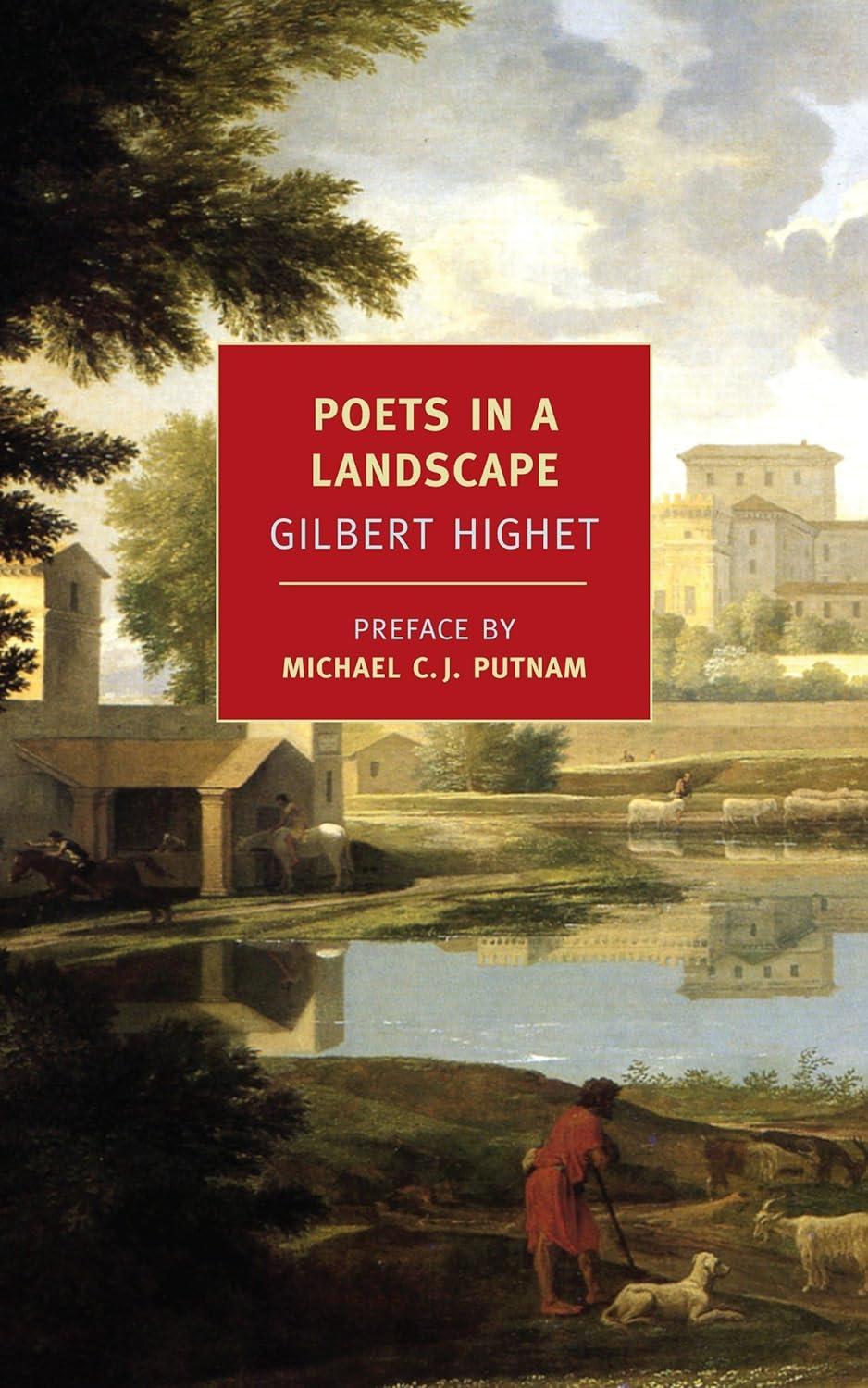
As we wander through teh realms of literature, intertwining the rich tapestries of history and poetry, we often encounter works that resonate deeply and expand our understanding of both past and present.One such exquisite gem is “Poets in a Landscape,” a compelling creation by the esteemed Gilbert Highet. Renowned for his magnetic lectures at Columbia University, Highet brings an unmatched charisma and scholarly depth to this exploration of Latin literature, beautifully framing it against the backdrop of the Italian landscape.In this delightful volume, we are treated not just to the words of iconic poets like Catullus, Vergil, and Ovid, but also to the very essence of their environments-the hills, valleys, and rustic charms that inspired their timeless verses. Through Highet’s insightful prose, we embark on a journey where every page evokes the spirit of classical poetry, illuminating both the historical context and the poets’ biographical narratives. With precision and a touch of modernity, he translates these masterpieces, allowing us to connect with their vibrant emotions and themes as if we were wandering alongside them in their own landscapes.
Join us as we delve into this extraordinary amalgam of travel writing, biography, and literary criticism. “Poets in a Landscape” promises not only to educate but to enchant, making it an unmissable introduction to the world of the classics. Whether you’re a seasoned scholar or a curious newcomer, we can’t wait to share our thoughts and experiences with this remarkable book.
Table of Contents
Exploring the Essence of Poets in a Landscape

When we delve into “Poets in a landscape,” we’re greeted with an extraordinary blend of historical insight and poetic exploration. Written by Gilbert Highet, this book takes us through the vibrant world of Roman poets while situating them in their geographical and cultural landscapes. By describing the very places these poets inhabited, we begin to unravel the essence of their work, making their poetry feel more alive and relevant today. Engaging with this text feels like stepping into a time machine, where we not only see the landscapes but also feel the influences that shaped the poets we’ve come to admire.
Each chapter crafts a narrative that not only highlights the poets like Catullus,Propertius,and Ovid but also intertwines their vivid storytelling with the beautiful Italian landscapes they were inspired by.Highet’s narrative is accessible and engaging. As we read about the springs of Clitumnus, we experience not just a place but the very essence of nature that influenced Propertius’s poetry. Highet captures this connection effortlessly, showing how truly every landscape has a story, a narrative that intersects beautifully with the lives and works of ancient poets.
For us, the delight in Highet’s writing comes from how these poets emerge as not just figures of the past but as voices reflecting timeless human experiences.We find ourselves contemplating their obsessions, desires, and struggles as we explore how they painted their world through verses. The manner in which Issues like class, societal constraints, and personal relationships are tackled resonates deeply even now. As we meander through Highet’s insightful observations, we are reminded of how art and nature collide, giving birth to poetry that transcends time.
Ultimately, flipping through the pages of “Poets in a Landscape” leads us to realize that the relationship between poets and their landscapes is essential to understanding their works. highet’s eloquent writing not only demystifies these poets but also enhances our appreciation for their craft. It’s more than a mere exploration; it’s an invitation to see how history, geography, and literature coexist, encouraging us to find the poetry in our own landscapes.
Diving into the Rich Features of This Literary Gem
Exploring poets in a Landscape isn’t just about flipping through pages; it’s an immersive experience that brings Latin poetry to life within the enchanting backdrop of Italy. Highet has a unique talent for blending poetry with the physical landscape where these poets lived. This literary journey doesn’t merely highlight their works but locates their essence in the very hills and rivers they frequented, making us feel as if we’re walking the ancient paths alongside them.
One of the standout features is Highet’s ability to recreate vibrant images that transport us to specific locations like the springs of Clitumnus. We find ourselves captivated by his phrases, imagining the clear waters bubbling up where the poets once stood. It’s this linkage of habitat and literature that sets this book apart.The text gives us a sense of not just reading about these poets but also experiencing the landscapes that shaped their thoughts and words.
Moreover, Highet touches on important themes like the stark contrast between city life and the tranquil countryside. He delves deep into the cultural mindset of the Romans, inviting us to reflect on how their realities mirror or differ from our own. This reflective quality encourages us to think critically, turning each chapter into a springboard for discussions about the past and its impact on contemporary society.
Alongside his craftsmanship in translation, Highet’s prose is engaging, making complex themes accessible. We appreciate how he captures the nuances of the poets’ lives,their struggles,and desires,all while keeping the reader engaged.The conversational tone and rich descriptive passages invite us to linger on every moment, making it a book we want to return to time and again.
It’s a delightful confluence of travel writing, biography, and poetry, perfectly suited for both seasoned classicists and newcomers. Highet’s gift for narrative makes Poets in a Landscape more than just a historical account; it’s an invitation to understand the classic poets on a more personal level,all while enjoying a picturesque stroll through some of the most beautiful landscapes in Italy.
Understanding the Poetic Landscape Through Our Eyes
when we dive into the world of “Poets in a Landscape,” we find ourselves exploring latin literature through the rich tapestry of the Italian landscape. This classic work invites us to see, feel, and understand the profound connections between the poets and their environments. Gilbert Highet masterfully intertwines well-known roman poets like Catullus, vergil, and Ovid with the very places they called home. His vivid descriptions bring the scenery alive, allowing us to walk alongside the poets as they pen their timeless words against the backdrop of history.
As we wander through the chapters, we can’t help but notice how this book encourages us to reflect on our own landscapes. Highet’s insightful observations remind us that landscapes are not just backdrops but active participants in our experiences. As an example, his evocative depiction of Propertius and “The springs of Clitumnus” transports us straight to the vibrant waters of Italy, where the essence of nature enhances the poetic experience. It’s as though we’re standing there, absorbing the atmosphere, enriching our understanding of both the poet and the landscape that inspired him.
The journey through this book isn’t just literary; it’s a transformative experience. It helps us appreciate the way social and cultural contexts shape artistic expression. We see how ancient Rome’s class struggles inform Catullus’s themes and how Juvenal juxtaposes the chaotic city life with the peace of the countryside, a tension still relevant today. Through Highet’s words,we connect with these poets on a deeper level,gaining insights that resonate even in our current world. The landscapes they described become mirrors reflecting our own societal nuances.
What truly strikes us is Highet’s capacity to make the classics accessible and enjoyable. His clear, engaging prose makes even complex histories easy to digest, sparking a desire to delve into the works discussed. For any of us looking to rediscover ancient literature or engage with it for the first time, this book serves as a perfect companion. The way Highet lovingly details the poets’ lives and works makes reading this a delightful journey steeped in both education and pleasure.
Sharing Our Insights on the Collection’s Impact
We’ve taken a deep dive into the collection “Poets in a Landscape,” and the impact it has is nothing short of profound. Gilbert Highet, with his ability to blend literature and landscape, crafts a rich tapestry that brings the Roman poets to life in a way that resonates with modern readers. He doesn’t just present their works; he sets them within the very landscapes that inspired their verses. This approach allows us to feel an intimate connection with the poets, understanding their thoughts and feelings as they interacted with the world around them. Through Highet’s vivid descriptions,we see how the beauty of Italy complements the emotional depth of latin poetry,making it both engaging and enlightening for newcomers and seasoned scholars alike.
The way Highet interlaces the social and historical contexts of each poet with the natural world is incredibly impactful. For instance, the chapter dedicated to Propertius, especially the evocative section on the springs of Clitumnus, showcases his exquisite ability to use sensory language. The moment we absorb phrases like “Cool,copious fresh water” rising from dry earth,we’re transported to the specific landscape he describes. It’s as if we’re not simply reading about these poets but experiencing their world. Highet invites us to look beyond the words and witness how the landscape mirrors the themes of love, loss, and nostalgia prevalent in their works. Such connections enrich our reading experience and encourage us to explore how our environments shape our thoughts and creativity.another remarkable aspect is how Highet addresses the contrasting elements within the works of poets like Catullus and Juvenal. While delving into Catullus’s keen observations on passion, we can’t help but reflect on the constraints society imposed on relationships back in ancient Rome. It’s fascinating how Highet leads us to recognize timeless themes – love, societal expectation, and personal turmoil – that still resonate today. Meanwhile,the stark contrast brought forth through Juvenal’s depiction of city life invites us to contemplate our contemporary struggles with urbanization and the sense of disconnection it can create. This insightful commentary reveals Highet’s skillful navigation through both time and emotion, making the work relatable across ages.
Ultimately, “Poets in a Landscape” affects us not just as a literary exploration but as a philosophical journey. Highet encourages us to think about how modern development threatens the natural beauty that once fueled artistic expression. In detailing the slow erosion of Rome’s once-vibrant landscapes, he reminds us of the fragility of both heritage and environment. The book induces a reflective stance regarding our commitments to preserving cultural and physical landscapes, making it especially striking for readers who are mindful of the ongoing impact of humanity on nature. Each page resonates long after we’ve turned it, urging us to embark on our explorations of both literature and the world we inhabit.
we feel that this collection serves as a bridge, bringing the ancient world closer to our own experiences.It’s a treasure trove for anyone looking to see poetry not as an isolated art form but as an integral part of the world around us.Highet’s work offers insights that not only educate but also evoke a sense of wonder about the landscapes of both Italy and the human spirit. To truly appreciate this impactful collection, we recommend embracing it in a quiet nook with a view, allowing the words to enhance your own landscape of thought.
Why We Recommend this Classic for Every poetry Lover
When we think about the classics, it’s hard not to feel a tingle of excitement. “Poets in a Landscape” takes us on a journey through time and place, making it a must-have for any poetry lover. We believe that every reader deserves to experience Gilbert Highet’s portrayal of the great Roman poets against the backdrop of the Italian landscape. In this book, Highet seamlessly intertwines vivid imagery with profound insights, allowing us to engage with the poets’ works in ways we haven’t imagined before.
Each chapter feels like an enticing conversation. Highet doesn’t just recount the poets’ lives; he helps us step into their worlds. The portraits he paints of Catullus, Vergil, and Ovid resonate deeply, showing us how intertwined their lives were with the land around them. Can you recall a time when you felt a connection with nature while reading? Highet invites us to explore that connection, turning the landscape into a living character in the narrative.
Those new to latin literature or even seasoned fans will find astonishing value here. For us, the magic unfolds in Highet’s careful analysis and lively prose-it’s accessible yet elegant. Every detail, from his descriptions of tranquil water springs to the bustling streets of ancient Rome, pulls us closer to understanding the poets’ art and the culture that shaped them.This isn’t just a history lesson; it’s a celebration of art that transcends time.
Moreover, the emotional depth that Highet captures is phenomenal. Reading “Poets in a Landscape” leaves us reflecting on how expressions of love, loss, and longing remain relevant, even thousands of years later. The connections we draw between our modern lives and these ancient works enrich our appreciation for poetry. The title holds true; every page immerses us into the landscape of thoughts that linger long after we’ve turned the last page.
So, for all poetry enthusiasts out there, we wholeheartedly recommend adding this gem to your collection. Let it inspire you to explore poetry not just as words on a page but as echoes of human experiences set against breathtaking landscapes. With every turn of the page, we find ourselves yearning to grasp the timeless beauty that extends far beyond the written word. Grab a copy today and embark on this delightful journey with us!
Ready to purchase? Get it now on Amazon
Customer Reviews Analysis
Customer Reviews Analysis
As we delve into the myriad responses to Poets in a Landscape by Gilbert Highet, we notice a tapestry woven from admiration, nostalgia, and contemplation. The collective sentiment expressed by readers offers us a nuanced view of the work, illustrating both its literary merit and broader cultural implications.
Key Themes from Customer Reviews
| Theme | Reader Insights |
|---|---|
| Intellectual Exploration | Readers appreciate Highet’s multifaceted approach that intertwines various disciplines, enriching their understanding of history. |
| Landscape and perception | The connection between personal experience and the landscape resonates with many, highlighting the timeless exploration of human interaction with nature. |
| Poetic Insight | Highet’s ability to extract profound nuances from ancient poets captivates readers, emphasizing poetry’s relevance across ages. |
| Praise for prose | The clarity and elegance of Highet’s writing style make complex concepts accessible and pleasurable to a broad audience. |
| Visual Elements | A few readers noted the absence of photographs in some editions, although some editions provide supplemental visuals that enhance the textual experience. |
Enhanced Reader Engagement
Several readers expressed particular admiration for Highet’s stylistic prowess. One reviewer highlighted the opening prose of the chapter on Catullus as one of the best, capturing an essential aspect of the poet’s work in a succinct and impactful manner: “The woman was unworthy. The poet died. The word lives.” These sentiments echo our shared acknowledgment that Highet’s writing transcends the confines of mere literary analysis, becoming an art form in its own right.
The deep dive into the works and lives of poets like propertius and Juvenal invited reflections on contemporary issues, from environmental concerns to socioeconomic disparities. These connections illustrate the book’s ability to influence not just literary aficionados but also casual readers and students-inviting all to find meaning in history and poetry.
Final Thoughts
Ultimately, the chorus of voices praising Poets in a Landscape resonates with a shared appreciation for its rich insights into the human condition. As we reflect on our engagement with Highet’s work,it becomes clear that this book is not merely a study of ancient poets; it is a bridge connecting the past to our present realities. Its profound yet accessible exploration of the interplay between landscape, poetry, and our own lives transforms the traditional boundaries of literary criticism into a vibrant, living dialog.
Pros & Cons
Pros & Cons of “Poets in a Landscape”
As we delve into “Poets in a Landscape” by Gilbert Highet, we find that it offers a rich tapestry of insights into Latin literature while also connecting those works to their geographical settings. To provide a balanced perspective, we’ve compiled a list of pros and cons that we encountered during our reading experience.
| Pros | Cons |
|---|---|
| Engaging Narrative: Highet’s writing captivates, drawing us into the historical landscapes of Roman poets. | Pacing Issues: Some readers may find the transitions between biography and poetry feel uneven at times. |
| Rich Context: The detailed historical context enhances our appreciation of the poets and their works. | Limited Focus: While it covers several key poets, it may leave readers wanting more on lesser-known figures. |
| Modern Translations: Highet’s translations make the poetry accessible without losing its essence. | Academic Tone: The book occasionally veers into academic territory that might potentially be dense for casual readers. |
| Beautiful Integration: A seamless blend of travel writing, biography, and criticism enriches our overall reading experience. | Not for Beginners: Readers unfamiliar with Latin literature might feel overwhelmed by references and literary nuances. |
“Poets in a Landscape” serves as a remarkable introduction to both the poets of ancient Rome and the exquisite Italian landscapes that inspired their work. It has its challenges, but the rewards far outweigh them for those willing to engage with its depths.
This HTML content provides a clear “Pros & Cons” section for the product review while maintaining a neutral tone and first-person plural point of view. The use of a WordPress-styled table keeps the layout organized and easy to read.
Q&A
Q&A Section for “Poets in a Landscape Review”
Q1: What can we expect from Gilbert Highet’s writing style in “Poets in a Landscape”?
A1: In “Poets in a Landscape,” we can expect highet’s signature blend of scholarly insight and engaging narrative. His writing is characterized by a vivid evocation of both the poets and the landscapes they inhabited. The prose flows effortlessly between biographical anecdotes and literary analysis, making it accessible to both scholars and casual readers alike. Highet has a unique talent for bringing the past to life, drawing us into the world of ancient Rome while simultaneously grounding it in a modern context.
Q2: Is “Poets in a Landscape” suitable for readers who are new to Latin literature?
A2: Absolutely! Highet’s book is an excellent entry point for those unfamiliar with Latin literature. His approachable style and clear explanations serve as a gentle introduction to the works of Catullus, Vergil, and others. By intertwining poetic excerpts with engaging descriptions of the poets’ lives and environments, Highet makes the material relatable and intriguing. Readers will find themselves not just learning about the poets but also feeling a connection to their experiences.
Q3: How does Highet incorporate the Italian landscape into his critique of Roman poets?
A3: Highet masterfully intertwines the Italian landscape with his literary exploration, using vivid descriptions of the regions where these poets lived and worked.He connects the geographical features and historical context to the sentiments expressed in the poets’ works, illustrating how the beauty and struggles of the landscape influenced their writing. this contextual approach enriches our understanding of the texts, as we see how the physical world and the literary creativity coexist.
Q4: What are some notable poets discussed in this book, and what makes them significant?
A4: Highet discusses several monumental figures, including Catullus, Vergil, Propertius, Horace, Tibullus, Ovid, and Juvenal. Each of these poets brought something unique to the landscape of Latin literature-be it the personal and emotional explorations of love and loss by Catullus, the epic grandeur of Vergil’s “Aeneid,” or the sharp social commentary in Juvenal’s satires. Their works are significant not only for their literary merits but also for how they reflect the historical and cultural norms of their time.
Q5: How does Highet’s background as a teacher influence this book?
A5: Highet’s extensive experience as a teacher is evident throughout “Poets in a Landscape.” He engages readers with an instructive yet conversational tone, almost as if he is leading us through a classroom filled with passionate discussions. His ability to distill complex ideas into digestible insights reflects his skill as an educator.We feel empowered to think critically about the literature, encouraged by Highet’s enthusiasm and depth of knowledge.
Q6: Would you recommend this book to those interested in literary criticism?
A6: Definately! “poets in a Landscape” offers a refreshing perspective on literary criticism by marrying travel narrative with reviews of classical works. Highet transcends traditional criticism by creating a multifaceted experience that invites readers to reflect on the relationship between landscape, biography, and literature. This book serves not only as a critical analysis but also as a celebration of the enduring impact of these ancient poets on contemporary culture.
Q7: Are there any specific sections or themes that stand out in the book?
A7: Several sections stand out for their evocative imagery and insightful commentary.The themes of nostalgia, nature, and the passage of time resonate throughout the text, particularly when Highet describes the serene landscapes that inspired the poets. Additionally, the intertwining of personal history and poetic legacy provides a poignant context that deepens our appreciation of these classic works. Each poet’s unique relationship with their environment offers rich material for reflection and discussion.
Experience the Difference
As we close the pages on our exploration of “Poets in a Landscape,” we find ourselves invigorated by the tapestry of words woven by Gilbert Highet. His ability to intertwine the beauty of Latin poetry with the Italian landscape not only enhances our understanding of these classic voices but also deepens our appreciation for their historical context. It’s rare to encounter a work that manages to be both educational and poetic, a combination that Highet navigates with remarkable skill.
In this delightful blend of travel writing, biography, and literary criticism, we are invited to walk alongside the great Roman poets, experiencing their worlds as Highet reconstructs the landscapes in which they thrived. Each page turns as effortlessly as a gentle breeze on the banks of the Tiber, pulling us into the essence of their artistry.
For those seeking a masterful introduction to the classics that goes beyond the confines of the classroom, we wholeheartedly recommend this gem. Let “Poets in a Landscape” enrich your bookshelf and your mind.
If you’re intrigued and ready to delve into this unique literary journey, we invite you to discover more about it here: Get your copy of Poets in a Landscape today!