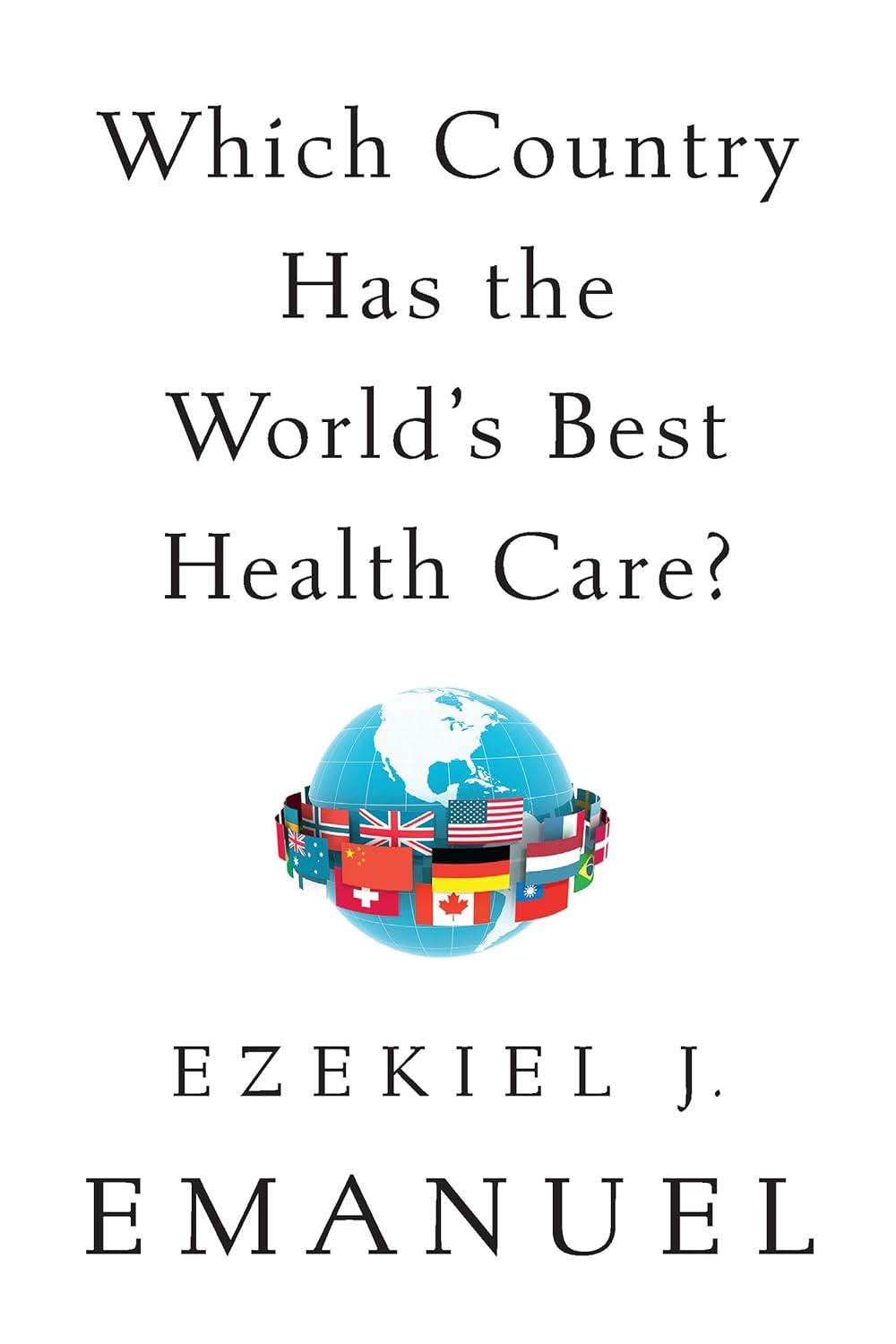
In our quest to uncover the intricacies of global health care systems, we recently had the chance to dive into Ezekiel J. Emanuel’s compelling work, Which Country Has the World’s Best health Care? This insightful analysis takes us on a journey through eleven diverse health care frameworks, including those of australia, Canada, Germany, and more, as we seek to identify where excellence in health care truly resides.
As we navigate the pages of Emanuel’s meticulous research, we are challenged to reflect on our beliefs and assumptions about health care-especially the notion that the United States holds the gold standard.Emanuel, a renowned doctor and health policy expert, guides us through the strengths and weaknesses of each system, drawing lessons that transcend borders.Together, we explore the major issues at play-from the surplus of hospital beds in Germany to the chronic illness management in France-each case revealing both flaws and triumphs alike.
With the backdrop of recent global health challenges, especially during the COVID-19 pandemic, Emanuel’s analysis is timely and critical. How do different countries respond to crises? What can we learn from their successes and failures? As we sift through the facts, figures, and expert opinions laid out in this comprehensive guide, we can’t help but feel equipped to engage in a broader dialog about health care improvement-both in our own country and beyond.Join us as we unravel the findings of this remarkable book, exploring the pivotal insights that will surely inform our understanding of health care on a global scale.
Table of Contents
Exploring Global Health care: Our Comprehensive Overview

When it comes to understanding global health care, we often find ourselves lost in a sea of statistics and case studies. That’s where the insights from this remarkable book can definitely help. With a solid foundation of research, we take a journey through various health care systems around the world. The question at the core of this discussion is, “Which Country Has the World’s Best Health care?” The author, Ezekiel J. Emanuel, draws on extensive research to break down the complexities of different countries’ systems and what makes them tick.
The book dives into eleven healthcare systems, including those from the United States, Canada, the UK, and several other nations. Emanuel’s straightforward approach makes it easy to grasp the similarities and differences in how these countries provide care to their citizens. Notably, he categorizes each system based on eight key dimensions, which helps us see where each one excels or falls short. We get to understand not just the facts, but the nuances behind the data, allowing us to appreciate the various challenges health care systems face.
Dr.Emanuel delivers a thorough and engaging analysis that encourages us to rethink our own perspectives on health care. Each country’s chapter highlights unique strengths and weaknesses, making clear that no system is without flaws.Such as, while the U.S. spends substantially more on healthcare than other countries,it often ranks low in terms of overall efficiency and access.This stark contrast is eye-opening and serves as a call to action for improving the U.S. health care landscape.
Moreover, in discussing the common challenges-like rising costs and the need for better coordination in patient care-we realize that many of these issues transcend borders. We see that lessons can be learned from each system, providing valuable takeaways for reform. The detailed comparisons and comprehensive evaluations empower us to think critically about how health care should be managed, paving the way for informed decisions that could impact all of us.
this book is more than just an overview of global health care; it’s an essential read for anyone who cares about the future of health policy. With its rich insights, we find a compelling narrative that not only asks important questions but also provides direction for potential improvements.If you’re interested in a deeper understanding of how various health care systems function, we highly recommend checking it out. Ready to dive in? Buy Now on Amazon
Evaluating Essentials: What Makes a Health Care System Stand Out

When discussing health care systems, it’s essential to examine not just the outcomes, but also the frameworks that support them. In the book, Dr. Ezekiel J. Emanuel dives into eleven health care systems worldwide, equipping us with criteria for a standout system. one of the most compelling takeaways is that no system is flawless; each has strengths and weaknesses, often highlighting critical lessons for improvement.
What truly makes a health care system worthy of recognition? For us, it boils down to accessibility, affordability, and quality of care. Emanuel highlights how nations like France and Taiwan excel in these areas while uncovering insights into their strategies.For instance, the emphasis on worldwide coverage and coordinated care often emerges as a common thread among high-performing systems. By understanding these aspects, we open the door to enhancing our health care approach.
Another critical point is the financial structure of these systems. Emanuel’s comparison shows the importance of enduring financing models that ensure all citizens receive care without financial hardship. The disparities in out-of-pocket expenses across countries underline the need for a unified strategy. Countries with a solid foundation for drug price regulation and insurance subsidies manage to alleviate the financial strain on their citizens, and this is something we can strive for.
the delivery of care cannot be overlooked. Effective human resources management and innovative approaches to mental health care emerge as winning elements in health systems globally. Dr. Emanuel’s work encourages us to consider not just who receives care, but how. By reflecting on these key features,we can push towards a more effective health care system that serves everyone better.
Diving Deeper: Insights into Care Quality and Accessibility

We’ve dug into the book’s insights,and it’s clear that diving deep into care quality and accessibility across various countries is a game changer. The research by Dr. Ezekiel J. Emanuel reveals a treasure trove of facts.he highlights how different nations approach health care and how lessons can be learned from each system. Understanding these differences allows us to see the strengths and weaknesses inherent in our own health care experience.As a notable example, the comparisons between the United States and countries like Canada or Germany show marked contrasts in financing and delivery that can inform policy changes here at home.
One key takeaway from the book is the varied approaches to accessibility. Some countries excel in universal coverage models that are less burdensome for citizens.by examining how countries achieve accessibility, we can see what might work well or poorly in the U.S. The book illustrates how not all health care challenges are unique. Shared issues, like the complexities of mental health care and the rising costs of chronic disease management, emerge across multiple systems. That realization is a humbling reminder that we’re not alone in struggling to provide quality health care.
dr. emanuel doesn’t just compare systems in a vacuum; he addresses the history of each country’s health care framework. Each chapter tackles the history, challenges, and even the triumphs of their policies, which gives readers crucial insights into the evolution of health care models. This allows us to appreciate the numerous variables at play when shaping a robust health care surroundings. we recognize that health care isn’t just about economics; it’s about ensuring everyone, nonetheless of socioeconomic status, has access to the care they need.
Ultimately, the exploration of care quality and accessibility prompts us to reflect on what we value most in health care. The insights gathered serve as a stepping stone for conversation and, ideally, action to improve our health care systems. Dr. Emanuel emphasizes that while no system is perfect, learning from one another can help us forge a path toward better health care outcomes. We think the lessons laid out in this exploration can inspire a collective effort to advocate for a more efficient and equitable health care experience for everyone.
Navigating the Numbers: Analyzing Costs and Outcomes

When it comes to analyzing costs and outcomes in healthcare, there’s plenty to unfold. The book “Which country Has the World’s Best Health Care?” dives into a region of numbers, digging through data from various nations to see what works and what doesn’t. We’ve come across research that takes a thorough look at the healthcare systems of eleven countries, including the U.S., Canada, and several European and Asian nations. The author, Ezekiel J. Emanuel, doesn’t just throw out opinions; he backs everything with concrete research. It feels refreshing,especially when discussing healthcare,to sift through hard facts rather than political rhetoric.
One significant takeaway we found is how Emanuel outlines the costs associated with each system, comparing them side by side. This is crucial for anyone looking to understand not just how much each country spends, but what outcomes they see for their investment.As a notable example,while the United states leads the pack in spending-around 18% of its GDP-Emanuel shows that many other countries spend substantially less while achieving better health outcomes. This contrast prompts us to question where the discrepancies lie. The analysis of out-of-pocket costs also paints a stark picture regarding accessibility, reflecting how financial barriers can impede health services for many.
In diving deeper, Emanuel identifies common challenges across all systems.As we read through the effects of increasing pharmaceutical prices and the inefficiencies in care delivery, it became clear how intertwined these issues are with outcomes. No system is without its flaws; though, some countries offer lessons worth noting and could help pave a new path forward for healthcare reform in the U.S. The book offers a systematic breakdown, which builds a compelling case for change backed by significant data, and it’s organized in a way that’s easy to digest.
We can’t overlook the future-oriented outlook that Emanuel brings. As he concludes his findings,he offers six vital lessons that could inform U.S. healthcare reform. These insights are not just theoretical; they are brought to life through comparisons with the very systems he studies. The numbers are clear, and the lessons compellingly laid out, allowing us to visualize a healthcare landscape that is both equitable and efficient if we choose to implement the right changes. It’s exciting to think of how investigating these outcomes could lead to significant improvements in our healthcare system.
Our Recommendations: Choosing the Best Health Care for Your Needs

Choosing the best health care can be a daunting task, especially in a world where health care systems differ so vastly. Ezekiel J. Emanuel’s compelling book “Which country Has the World’s Best health Care?” takes us on an insightful journey through eleven countries’ health care systems, all while answering the main question: which country truly excels in providing health care? By diving into this book, we uncover invaluable lessons about health care delivery, financing, and the overarching challenges nations face regarding health services.

Emanuel meticulously dissects each country’s system, presenting their histories and current models of care. We get a front-row seat to his extensive analysis of countries like Canada, Germany, Australia, and the United Kingdom. He addresses key features of each system, such as the scope of health coverage, out-of-pocket expenses, and how prescription drugs are managed. This comprehensive examination allows us to see not just what works, but also what doesn’t, revealing that no country has a flawless system. Though, the insight gained from this structured approach equips us with the necessary knowledge to aspire for better health care solutions.
Beyond just outlining facts and figures, the book reveals real-world implications connected to health care systems’ complexities. from pressing issues like rising pharmaceutical costs to the administrative challenges in coordinating care for chronic illness, we see how these factors influence the effectiveness and accessibility of health services. Emanuel emphasizes that while each country has insecurity within their frameworks, they also offer valuable lessons that can significantly influence health policy reforms, particularly in the U.S., which often spends more without yielding better health outcomes.
this book doesn’t just inform us; it motivates us to think critically about health care expectations and standards.It delivers an accessible yet thorough evaluation of comparative health policy, making it essential reading for anyone interested in the future of health care, including medical professionals, policymakers, and concerned citizens alike. We can take the insights gleaned from Emanuel’s research and apply them to advocate for a healthier society, proving that understanding global practices can lead to monumental changes in our local systems.
Customer reviews Analysis
Customer Reviews Analysis
In our exploration of “Which country Has the World’s Best Health Care?” by Ezekiel J. Emanuel, we have gathered various insights based on a range of customer reviews. These reviews highlight the strengths and weaknesses of the book while also reflecting on how Emanuel’s findings can influence our understanding of global health care systems.
Overview of Received Reviews
readers have provided a mix of praise and critique regarding the book’s content and approach. While many emphasize the thorough research and well-structured analysis, some suggest that the book can be dense and somewhat tedious at times. Below is a breakdown of common themes that emerged from the reviews:
| Theme | Positive Feedback | Criticisms |
|---|---|---|
| Research Depth | Readers commend the exhaustive analysis of multiple countries’ health care systems. | Some found the comprehensive nature to be overwhelming or “boring”. |
| Comparative Insights | Readers appreciate the clear comparisons between the U.S. and other health care structures. | Some critiques highlighted minor inaccuracies in country-specific details. |
| Policy Relevance | Many noted that the recommendations could inform better health care policies. | A few readers felt the suggestions were too simplistic for complex issues. |
| accessibility | Reviewers found the book accessible to a broader audience. | Some indicated that certain sections read like academic papers rather than engaging narratives. |
Key Takeaways from Customer Reviews
From our analysis, it’s clear that readers from various backgrounds, from healthcare professionals to laypersons, found value in emanuel’s work. Here are some of the key takeaways based on customer sentiments:
- Informative Framework: The organized structure that allows readers to dissect health care systems by specific dimensions offers invaluable insights.
- Contextual Relevance: Given ongoing debates about U.S. health care policy,the book provides a timely resource for understanding how other countries manage their systems.
- Universal Challenges: Emanuel’s identification of universal challenges resonated well, as many readers recognized similarities in their own health care experiences.
- Recommendation to Professionals: Health care professionals highly recommend this book as a critical resource for anyone involved in health policy discussions or medical care delivery.
Conclusion
“Which Country Has the World’s Best Health Care?” offers a blend of rigorous research, clear analysis, and practical recommendations that can inspire meaningful conversation about global healthcare systems. while some readers find the material complex and sometimes tedious, the majority acknowledge its importance and relevance in today’s health care discourse. As we compile our final insights, it’s reassuring to see that learning from international systems could lead to actionable improvements in health care-both at home and abroad.
Pros & Cons
Pros & Cons
In our exploration of the book “Which Country Has the World’s Best Health Care?”, we found that it offers an insightful and critical look at global health systems through the lens of the renowned health policy expert Ezekiel J. Emanuel. However, like any product, it has its strengths and weaknesses. here’s what we discovered:
| Pros | Cons |
|---|---|
| Comprehensive Analysis: We appreciate the in-depth exploration of health care systems from eleven different countries, providing a rich comparative perspective. | Subjectivity: Some readers might find that the rankings and opinions presented reflect a subjective viewpoint,which could lead to debate over the conclusions drawn. |
| Evidence-Based Insights: the book is packed with data and evidence, which enhances our understanding of various health care models and their effectiveness. | Complexity: The nuanced discussion of health care systems may be overwhelming for readers seeking a quick or simplified understanding of the topic. |
| Timeliness: By examining the global response to COVID-19, we find the book is relevant, shedding light on recent challenges and successes in health care. | Limited Scope: While it covers multiple countries, it may not include emerging health care systems or newer studies that have surfaced since its publication. |
| Actionable Lessons: we appreciate how Dr. Emanuel provides insights into what countries can learn from each other, making the book practical and thought-provoking. | Lack of Solutions: Although it identifies problems, some readers might feel frustrated by the absence of concrete solutions for the issues faced by various systems. |
Ultimately,”Which Country Has the World’s Best Health Care?” serves as a powerful resource for anyone interested in understanding health care systems globally. While it has its downsides,the pros make it a worthwhile read for health policy enthusiasts and casual readers alike.
Q&A
Q&A Section:
Q: What inspired Dr. Ezekiel J. Emanuel to undertake a comparative analysis of global health care systems?
A: Dr. Emanuel’s motivation stems from a desire to understand which country manages to provide the best health care to its citizens and to identify what the United states can learn from these systems. He emphasizes that while the U.S. is known for advanced medical technology and specialized care, significant disparities and access issues mark its overall health care landscape.
Q: How does Dr. Emanuel evaluate different health care systems in the book?
A: In his incisive analysis, Dr.Emanuel looks at various dimensions, including accessibility, quality of care, equity, and efficiency. He assesses each country’s strengths and weaknesses and considers the unique challenges they face, such as managing chronic illness or addressing mental health.This multi-faceted approach allows us to draw meaningful comparisons among the health care systems of the eleven countries examined.
Q: What are some surprising findings from the book?
A: One of the most surprising insights we found was about Germany’s surplus of hospital beds and France’s ongoing struggle with chronic illness care. Each country’s system presents its paradoxes and varying degrees of success, highlighting that no single model is flawless. It shows us that even well-regarded systems can have serious flaws that need to be acknowledged and addressed.
Q: Does the book provide solutions or recommendations for improving the U.S. health care system?
A: Yes, Dr. Emanuel offers practical lessons drawn from his comparative analysis. by examining what works-and what doesn’t-in other countries, he highlights actionable steps the U.S. can consider to enhance its health care delivery, particularly in the areas of access, cost containment, and quality of care.
Q: How does the book address the impact of COVID-19 on health care systems worldwide?
A: In the concluding coda, the book revisits how different countries managed the COVID-19 pandemic, providing a timely evaluation of health system resilience. We learn about various strategies employed and the shortfalls experienced, which present valuable takeaways as we look to improve preparedness for future health crises globally.
Q: Is this book suitable for someone without a background in health policy?
A: Absolutely! Dr. Emanuel writes in a manner that is accessible to a broad audience. While it delves into complex health policy topics, he breaks down concepts and offers clear explanations, making it engaging for readers from all backgrounds who are interested in understanding global health care systems.
Q: can we expect a fair assessment of each health care system, given Dr. Emanuel’s expertise?
A: Yes,we can confidently say that Dr. Emanuel strives to maintain a neutral tone throughout the book. His experience as a health policy expert informs his insights, but he also acknowledges the nuances and challenges within each system, ensuring a balanced perspective that respects the complexities involved.
Q: What has been the reception of the book among readers?
A: The book has garnered positive reviews,with an impressive average rating of 4.5 stars from readers.Many appreciate its thorough research and the engaging way in which Dr. Emanuel presents his findings, making it a valuable resource for both health care professionals and the general public alike.
Embrace a New Era
As we draw our exploration of “Best Health Care – Which Country Has the World’s Best Health Care?” to a close, we find ourselves enlightened by Dr. Ezekiel J. Emanuel’s thorough analysis. His journey through the diverse landscape of global health systems not only sheds light on which country emerges at the forefront but also encourages us to reflect on the potential paths forward for improving health care for all citizens, especially here in the United States.
While no system is without its faults, we are reminded that each nation has unique strengths and challenges, and by examining these, we can aspire to create a health care model that prioritizes well-being above all else. The implications of his findings resonate deeply, inviting us to engage with the lessons offered and to think critically about the systemic changes necessary for equitable care.
We encourage you to delve into this compelling work and uncover the truths that lie within. It’s more than just a ranking; it’s a call to action for each of us to advocate for a healthier future. To embark on this enlightening journey, grab your copy today! Click here to get your copy now!