
Welcome to our latest exploration of a thought-provoking publication that dives into the intricate web of international trade, military technology, and the surprising dynamics of global relationships. Today, we’re reviewing “The Best Enemy Money Can Buy” by Sutton, a book that challenges conventional wisdom by revealing how intertwined our defenses are with the very adversaries we claim to counter. With meticulous research and a wealth of documentation primarily sourced from government and corporate records, Sutton aims to dismantle the notion that our dealings with communist powers are purely benign.
In our experience reviewing this compelling text, we found ourselves confronted with a provocative paradox: the very systems and technologies that we defend against have been substantially bolstered by our own contributions. From copper wiring to sophisticated missile guidance systems, the range of materials and technologies exchanged is remarkable. This book not only examines the cost of our defense expenditures-$300 billion annually-but also prompts us to reconsider whether we are inadvertently feeding the beast we aim to vanquish.
join us as we dissect Sutton’s arguments, analyze his extensive documentation, and reflect on what this means for our understanding of peace and security in an increasingly interconnected world. Whether you are a seasoned political scholar or a casual reader looking for insight into global affairs, this review will offer a lens through which to view a complex and frequently enough contradictory relationship. Let’s dig in!
Table of Contents
overview of Our Experience with The Best Enemy Money Can Buy
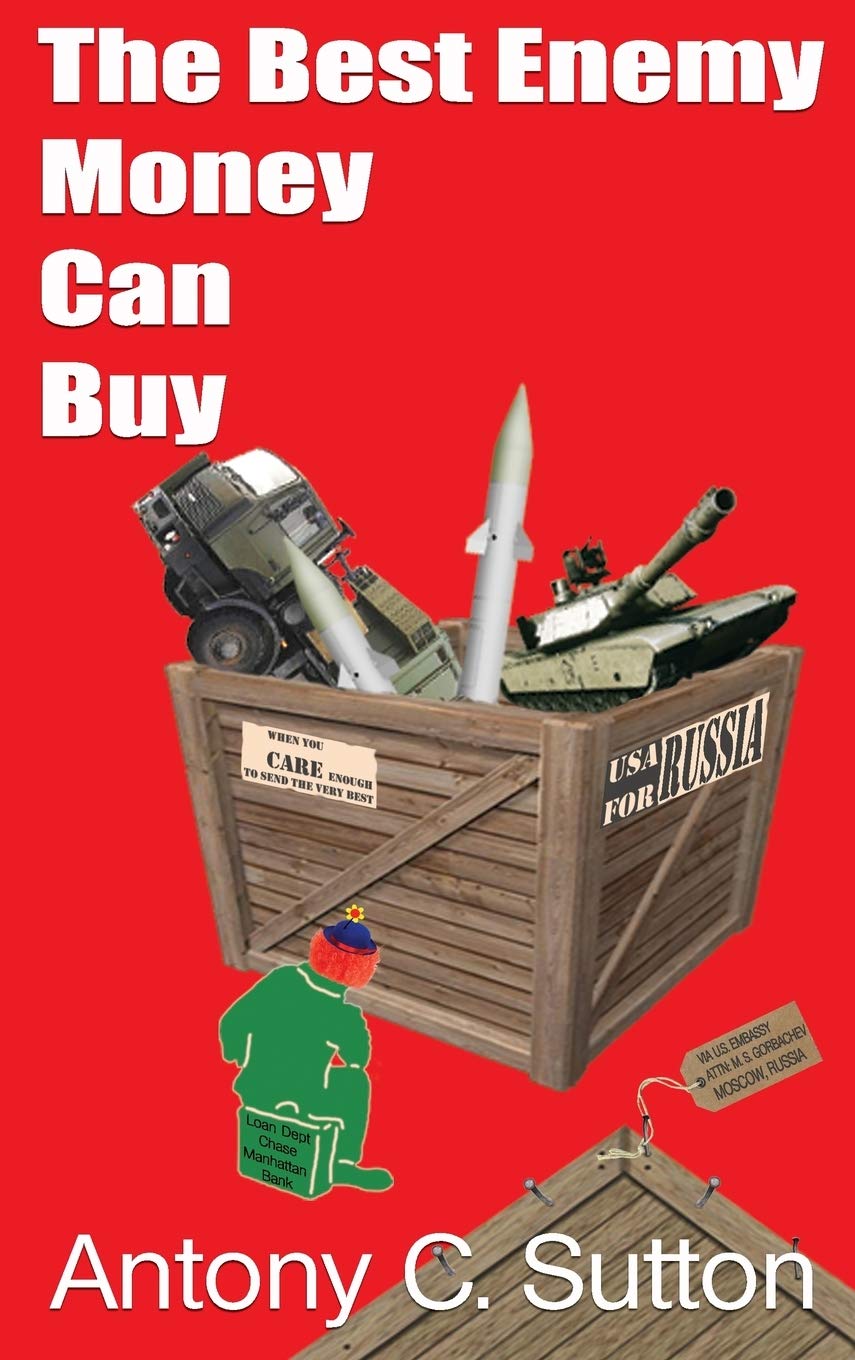
Our experience with “The best Enemy Money Can Buy” has been nothing short of enlightening. From the very first page, we found ourselves absorbed in Anthony Sutton’s compelling narrative. It explores the complex relationship between the United States and the Soviet Union, particularly focusing on how America inadvertently contributed to the military and technological advancement of its supposed enemy. Sutton’s extensive use of documentation from governmental and corporate sources adds a layer of credibility that captivated us. the book is meticulously detailed, something that both astounded and occasionally overwhelmed us, yet it’s presented in a way that invites readers to question longstanding beliefs about the Cold War era.
As we delved deeper, we were struck by Sutton’s arguments regarding “peaceful trade.” He systematically dismantles the notion that trade with the Soviets was beneficial from a purely ethical standpoint. Instead, he shows that much of America’s economic engagement with the Soviet Union not only funded their military capabilities but also provided them with critical technologies.It’s a paradox that left us in a state of disbelief: spending an astronomical $300 billion annually to defend against an enemy we’ve, in part, created. Sutton’s use of direct quotes and anecdotes deepened the impact of this realization, pushing us to reconsider our understanding of the interplay between politics and business during the Cold war.
The book’s format feels like a legal case against American policies and their consequences. Sutton positions himself as a prosecutor, meticulously collecting evidence to support his claims. While this style is engaging and thought-provoking, it sometimes reads more like a legal brief than an account meant for leisure reading.Despite its academic leanings, we appreciated the depth it brought to our understanding of the complexities surrounding U.S. foreign policy.It’s definitely a work that requires the reader’s full attention, but the rewards are plentiful for those willing to invest the time and thought.
Throughout our reading, we couldn’t help but acknowledge the broader implications of Sutton’s findings.The connections he makes between government decisions,corporate interests,and the unintended creation of adversaries highlight deeply-rooted issues in policymaking. It’s not just a recounting of history; it’s a critical analysis that invites us to reflect on our current economic relationships and their potential ramifications.While some might find fault with Sutton’s interpretation or style, we believe his efforts in ”the Best Enemy Money Can Buy” provide a necessary examination of accountability in leadership and the morally ambiguous effects of business on international relations.
Exploring the Unique Features That Set This Product Apart
When we dive into “The Best Enemy Money Can buy,” we quickly discover its compelling argumentation and unique viewpoint on international trade and politics. The book’s core thesis is both intriguing and unsettling: it shines a light on how U.S. corporations and government policies have unwittingly bolstered the Soviet military capability. This perspective is rare and sets the book apart from typical historical analyses. Instead of merely chronicling events, it curates a narrative that challenges conventional wisdom and urges us to reflect on the links between profit and policy.
One of the standout features is the sheer volume of documented evidence Sutton compiles. He utilizes a treasure trove of documents from government and corporate sources, presenting a meticulous case that resonates with anyone curious about the dynamics of power and finance. Sutton’s approach transforms dry statistical analysis into a gripping narrative, unearthing the uncomfortable reality that the “peaceful trade” often touted is, in fact, deeply strategic.This unique angle compels us to rethink our understanding of patriotism in the face of economic gain.
Moreover, Sutton’s writing style is particularly engaging for those who prefer a straightforward, factual approach to history. His tone may come off as polarizing,but it leaves an indelible impression. We feel the urgency in his words,as if we’re sitting in on a critical lecture that dares to question the very fabric of our political landscape. His knack for pairing hard-hitting facts with anecdotal evidence makes the reading both informative and provocative.
In addition,Sutton’s use of political cartoons and illustrations throughout the book brings a unique visual dimension to the or else text-heavy analysis.These graphics not only add humor but also punctuate key points, helping to underline the absurdities and contradictions in historical narratives. This visual element sets it apart from other non-fiction works, engaging us on multiple levels and ensuring that we remain captivated from start to finish.
the features that make “The Best Enemy Money Can Buy” stand out are its thorough research, accessible writing style, and thoughtful use of visuals. These aspects work in concert to create a compelling case against complacency in our understanding of international relations and the powerful forces that influence them. The book serves as a critical reminder that knowledge is not just power; it’s a necessary tool for understanding our world.
Delving into the Performance and Usability We Encountered
When we picked up “The Best Enemy Money Can Buy,” we honestly didn’t know what to expect. It was intriguing, and with so much buzz around Anthony Sutton’s insights, we were curious. From our perspective, this book offers a compelling narrative that dives deep into the overwhelming evidence of how U.S.policies and corporations have inadvertently supported the very adversaries they professed to oppose. Sutton’s assertions about the complex relationship between Western economies and the Soviet military are provocative and engaging.
The performance of the book, in terms of its ability to hold interest and provoke thought, is phenomenally high.Sutton’s meticulous detailing of historical events, complete with names and dates, feels almost like reading a mystery unraveling, which kept us turning the pages. It’s one thing to be aware of U.S.-Soviet interactions during the Cold War; it’s another to see them intricately woven together through documentation, testimonies, and the author’s interpretations.Yes, at some points, the writing may come off like a legal brief, but that only underscores the seriousness of the topics at hand.
What really struck us was the sheer amount of information. Sutton presents a comprehensive look at how technology and resources flowed to the Soviets, enabling them to bolster their military capabilities.The anecdotes about specific factories and projects reflect a deep-rooted knowledge that underscores his arguments. We found many of his claims chilling-revelations about U.S. businesses and government officials profiting while contributing to Soviet power create a picture that is as unsettling as it is enlightening.
As for usability, the book is structured in a way that allows readers to grasp complex topics without getting lost in jargon. Sutton’s clear breakdown of ideas, despite occasionally dry prose, makes it accessible for those unfamiliar with the intricacies of international relations. we felt that each chapter stood alone rather than being part of a disconnected whole. This allows readers to revisit specific sections based on interest or need, making it a valuable resource to us beyond just a cover-to-cover read.We really appreciated that about this book-it opens the door for deeper understanding while encouraging autonomous thought.
the performance of “The Best Enemy Money Can Buy” is stellar, offering profound insights into a troubling chapter in history. For anyone curious about the connections between Western policies and Soviet developments, this book stands as a crucial resource worth exploring.
Unpacking the Pros and Cons Based on Our Usage
when diving into “The Best Enemy Money Can Buy,” we found ourselves navigating a sea of intriguing revelations and bold claims.One of the primary pros is the sheer volume of documentation Sutton accesses, which frequently enough stems from credible government and corporate sources. This extensive research allows us to grapple with concepts like how intertwined our economy is with that of adversarial forces. it’s all laid out like a well-woven tapestry, with threads of history connecting our fiscal decisions to the global landscape. The anecdotes and facts presented compel readers to think critically about the broader implications of this “peaceful trade” narrative-transforming it into an eye-opening examination rather than just a tract of historical data.
However, pouring through the book also illuminated certain cons.While Sutton expertly exposes layers of information,his style is somewhat dry and legalistic. This can make it less engaging for casual readers. Sometimes,it feels like a legal brief rather than a riveting narrative-like we are sifting through a stack of documents in a law office instead of flipping through an engaging read. For those seeking more thrilling storytelling, this might feel like a letdown.Plus,while we appreciate the depth of analysis,some of Sutton’s sweeping statements and lack of citations for certain claims made us raise an eyebrow. The idea of treason being thrown around without robust backing coudl leave some skeptics cold.
On the other hand, the opportunity to connect the dots between our economic policies and the support extended to Soviet Russia jolts the reader into reconsidering their stance on historical events we thought we understood. It’s not just about the facts; it’s about the impact those choices had and continue to have on global politics. Yet, at times, the overzealous nature of sutton’s accusations can feel overwhelming. Calling many political figures traitors without adequate footing can alienate readers who might otherwise find value in his insights.
All said and done, we believe this book serves a critical purpose. It presents an angle on history that is often overlooked. The revelations about our efforts enabling adversaries tap into a rich narrative filled with irony and complexity. Despite its occasional shortcomings in delivery,the message rings clear and worthy of consideration. It challenges us to rethink not only the past but how our current choices play a role in shaping future dynamics.Our decision to explore this text was eye-opening-we recommend it as a necessary read for those wanting a deeper understanding of political and economic entanglements.
Our Final Recommendations for Getting the Most from This Purchase
To truly enjoy and benefit from the insights in “The Best Enemy Money Can Buy,” we recommend diving in with an inquisitive mindset. This book isn’t just a collection of facts; it’s a deep examination of the intricate ties between the United States and the Soviet Union during critical historical moments. Prepare yourself to engage with the content critically,questioning and analyzing Sutton’s assertions as you read. It’s an intellectual journey that rewards readers who approach it with an open but discerning mind.
We suggest taking notes while you read. This allows us to jot down any particularly striking facts or concepts that might resonate. The book is packed with details about transactions and relationships that may alter our understanding of historical events. Having a notepad nearby can help us connect the dots between chapters, ensuring we retain the rich information Sutton presents. Engaging with the text in this way can deepen our comprehension and appreciation of the material.
Consider discussing the book with friends or joining a book club. Sharing our thoughts and hearing different perspectives can enhance our understanding of the text and its broader implications.By conversing with others, we can explore interpretations that we might not have considered. These discussions can also make the reading experience more enjoyable and lively. It becomes not just about absorbing facts but about constructing a narrative together.
don’t hesitate to complement Sutton’s work with additional reading. Exploring other historical texts or contemporary analyses on the Cold War and U.S.-Soviet relations can enrich our perspective. Sutton opens doors to understanding, but there’s always more to learn.Supplementing this with broader research allows us to place Sutton’s contributions into a wider context, fostering a well-rounded view of history.
Ultimately, a thoughtful approach to “The Best Enemy Money Can Buy” can significantly enhance our reading experience. By actively engaging with the material, discussing it with others, and expanding our research, we can draw valuable lessons from Sutton’s exploration of history, ensuring that we maximize our investment in this powerful work.
Customer Reviews Analysis
Customer Reviews Analysis
As we delved into the reviews for The Best Enemy Money Can Buy, we noticed a powerful blend of admiration, criticism, and a strong call for critical engagement with its themes. The collective feedback paints a diverse picture of this thought-provoking work, and we are excited to share our insights.
| Review Aspect | Summary |
|---|---|
| Content Value | Many reviewers praised the depth of information, describing it as “absolutely mesmerizing.” Sutton’s meticulous detailing of political and economic history of corruption resonated powerfully. |
| Writing Style | While the content was appreciated,some readers criticized the book’s style,noting it read more like a “legal brief” rather than engaging prose. This led to a few 4-star ratings instead of a perfect 5. |
| Historical Significance | The book’s exploration of the U.S.’s complicated relationship with Soviet technology transfer and military cooperation sparked strong reactions, with many asserting it to be an essential read for history enthusiasts. |
| Controversial Claims | Several reviews raised concerns about factual inaccuracies and the author’s approach to accusations of treason among government officials, leading to debates about the credibility of his assertions. |
| Overall Reception | Readers generally found it an eye-opening work that encouraged them to reconsider perceived historical narratives, tho some felt challenges in interpreting the author’s positions. |
It is indeed clear from the reviews that The Best Enemy Money Can Buy is not just a book; it is a catalyst for discussion and debate.Our readers seem to appreciate the historical revelations while grappling with the contentious interpretations presented by Sutton.
As we reflect on these varied perspectives, it’s evident that the book’s impact resonates beyond its pages, inviting us to engage deeply with our shared history-and perhaps, challenge our own beliefs in the process.
Pros & Cons
Pros & Cons of “The Best Enemy Money Can Buy”
Pros
- In-depth Research: With extensive documentation, Sutton provides a well-researched narrative that reveals how U.S. trade has contributed to Soviet military advancements.
- engaging Writing Style: The author manages to present complex topics in a way that is accessible and engaging for readers.
- provocative Insights: The book challenges conventional thinking about trade and defense, making readers reconsider the implications of the U.S.-soviet relationship.
- Timely Relevance: Given the current geopolitical climate, the book’s insights remain relevant and thought-provoking.
- High Ratings: With an remarkable 4.8 out of 5 stars based on 47 customer reviews, it’s clear that many readers find value in Sutton’s arguments.
Cons
- Heavy on Documentation: Some readers may find the extensive use of documentation overwhelming or tedious to navigate.
- Polarizing Perspective: Sutton’s strong opinions may not appeal to all readers, particularly those who hold differing views on U.S.-Soviet relations.
- Limited Appeal: The focus on military technology and geopolitics may not attract casual readers looking for light reading or entertainment.
- Publication Age: As a reprint from 2014, some information might feel slightly outdated given the fast-changing nature of international relations.
Summary Table
| Pros | Cons |
|---|---|
| In-depth research and insights | Heavy use of documentation |
| Engaging writing style | Polarizing perspective |
| Relevance in current events | Limited appeal for casual readers |
| High customer ratings | Information may feel outdated |
Q&A
Q&A Section: “”
Q1: What is the main premise of “The Best Enemy Money Can Buy”?
A1: The book presents a compelling argument that the Soviet military technology relies heavily on contributions from the U.S. and its allies, challenging the notion of peaceful trade. Sutton meticulously documents how various technologies, ranging from military trucks to advanced missile systems, have been provided to the Soviets, suggesting that we have inadvertently supported our own adversary while spending vast sums on national defense.
Q2: How credible is the information presented in the book?
A2: Sutton’s work is grounded in extensive research,utilizing considerable documentation from government and corporate sources. This commitment to a well-substantiated argument enhances the book’s credibility, allowing readers to scrutinize the connections he draws between U.S. trade practices and Soviet technological advancements.
Q3: Who would benefit from reading this book?
A3: “The Best Enemy Money can Buy” is particularly suited for readers interested in military history,politics,and economics. It appeals to individuals who wish to understand the complexities of international trade relations during the cold War and the ongoing implications of these relationships in current global politics.
Q4: What tone does Sutton take in his writing?
A4: Sutton adopts a critical yet informative tone as he underscores the paradox of U.S. relations with the Soviet Union. His narrative is marked by frustration over the shortsightedness of businesses and policymakers, as he condemns the actions of those who prioritize profit over national security.
Q5: How does this book contribute to our understanding of Cold War dynamics?
A5: By illuminating the intricate ties between U.S. corporate interests and Soviet military capabilities, the book provides a unique perspective on the Cold War. It encourages readers to rethink the narrative of opposition between superpowers, suggesting that the lines of friendship and enmity are often blurred by economic motivations.
Q6: What are the key takeaways from “The Best Enemy Money Can Buy”?
A6: One of the key takeaways is the realization that economic relationships can have profound implications for national security. Sutton’s work prompts us to reconsider the true cost of globalization and trade, particularly when dealing with nations that may be adversaries. Additionally, it serves as a reminder that vigilance and transparency in international dealings are crucial to maintaining national safety.
Q7: Is there a specific audience that might find this book particularly compelling?
A7: Readers with a keen interest in political science, military studies, or those who enjoy investigative literature will likely find “The Best Enemy Money Can Buy” both riveting and insightful. Moreover, individuals concerned about current geopolitical issues may also resonate with Sutton’s findings and the themes of the book.
Q8: What does reader feedback say about the book?
A8: With a high rating of 4.8 stars from 47 reviews, reader feedback indicates that many appreciate Sutton’s thorough analysis and the revelatory nature of his findings. Reviews consistently highlight the thought-provoking content and the impactful way it addresses the unintended consequences of trade practices.
Q9: how does this book fit into the larger context of political and economic literature?
A9: The book occupies a meaningful niche within political and economic literature by blending historical context with contemporary relevance. It challenges prevailing narratives about the Cold War and trade, making it a noteworthy contribution for those seeking a deeper understanding of the interconnections between economy, politics, and international relations.
Q10: Would we recommend this book to others?
A10: Absolutely! ”The Best Enemy money can Buy” is not just an exploration of past events; it’s a cautionary tale that resonates with today’s global economic surroundings. we believe it is essential reading for anyone curious about the complexities of international relations and the far-reaching consequences of trade policies.
Discover the Power
As we wrap up our exploration of “the Best Enemy Money Can Buy,” it’s clear that Sutton’s meticulous examination of U.S. trade with the Soviets opens up a conversation that is as critical as it is indeed complex. The layers of dependency and the implications of our seemingly innocuous dealings remind us that the narratives we hold about defense and diplomacy can be far more intricate than they appear.This book challenges us to reconsider the assumptions we make about peaceful trade and the very nature of the enemies we face.
Whether you’re a history buff, a policy enthusiast, or just curious about the intricate dance of international relations, this book offers a treasure trove of insights that are both alarming and enlightening. The revelations within pages are sure to spark discussions and reflections long after you’ve turned the final page.
If you’re ready to dive into this compelling narrative and understand the strategic landscape that Sutton lays bare, we encourage you to pick up your copy today. Change the way you think about foreign relations and the unseen threads that bind economies together.
Don’t miss out-grab your copy of “The Best Enemy money Can Buy” here and join us on this thought-provoking journey!