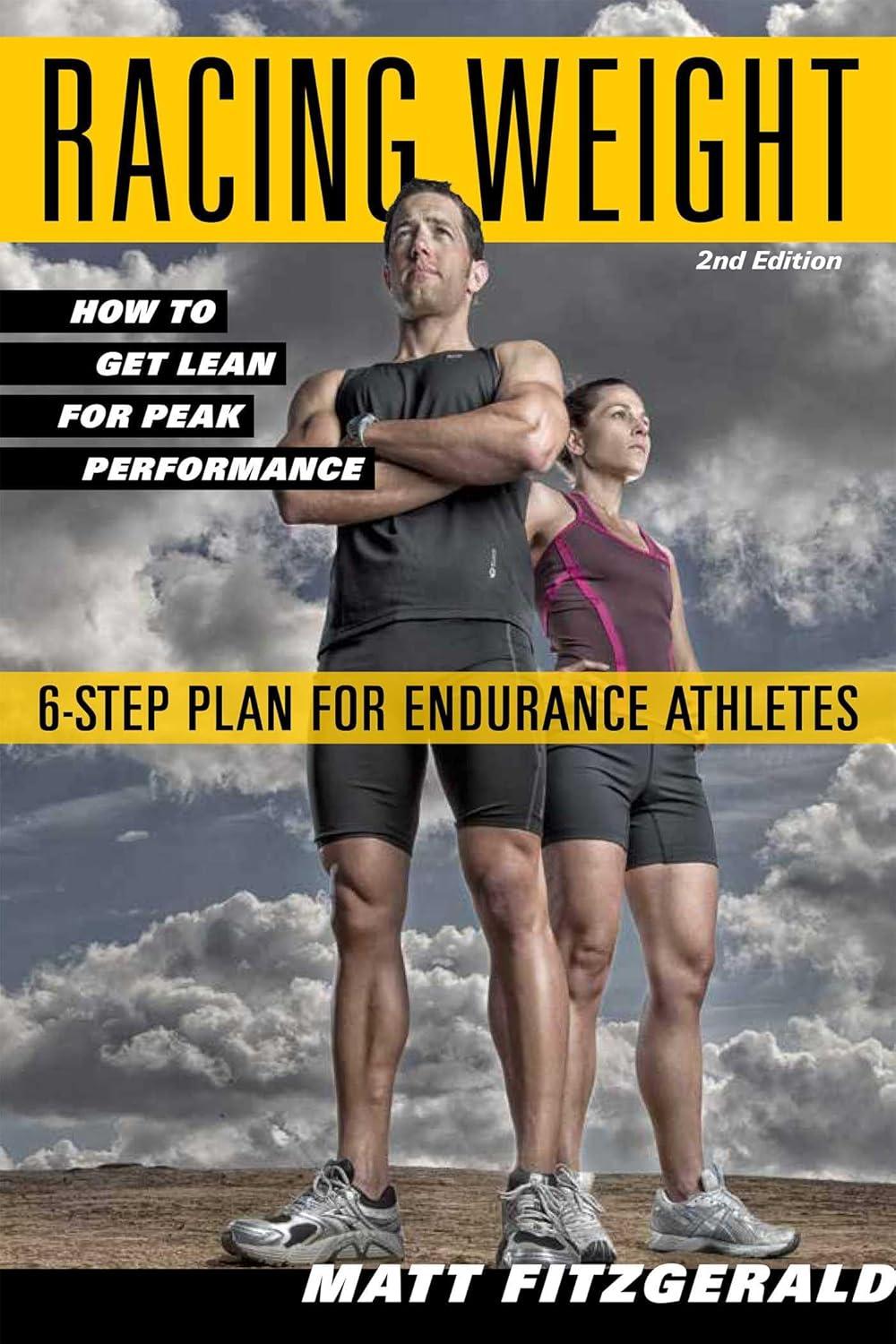
In the world of endurance sports, where every second counts and every pound matters, finding the right balance between performance and weight can often feel like navigating a tricky course. As athletes ourselves, we’ve all experienced the struggle of trying to shed those extra pounds without compromising our training.That’s why we were excited to dive into “Racing Weight: How to Get Lean for Peak Performance,” the latest offering from renowned coach and nutritionist Matt Fitzgerald. This updated program, tailored specifically for endurance athletes like us, promises a science-backed roadmap to weight management without the typical pitfalls that derail so many of our fellow competitors.
From our initial read-through, it was clear that Fitzgerald’s approach is rooted in research and the real-life experiences of elite athletes. The six easy steps outlined in the book caught our attention-as they aren’t just theoretical guidelines, but practical strategies we could incorporate into our daily routines.Drawing on the power of diet quality, appetite management, and smart nutritional timing, “Racing Weight” challenges traditional concepts of dieting, advocating for a more athlete-centered viewpoint.
In this blog post, we’ll share our firsthand experiences with the program, delve into its core principles, and explore how it has influenced our training and overall performance. Join us as we unpack the practical tools and insights that make “Racing Weight” an invaluable resource for cyclists, runners, and triathletes alike. Together, let’s see how we can optimize our weight and performance on race day, ensuring that every stride, pedal, and stroke is supported by the right nutrition and mindset.
Table of Contents
Understanding the Core of Racing Weight
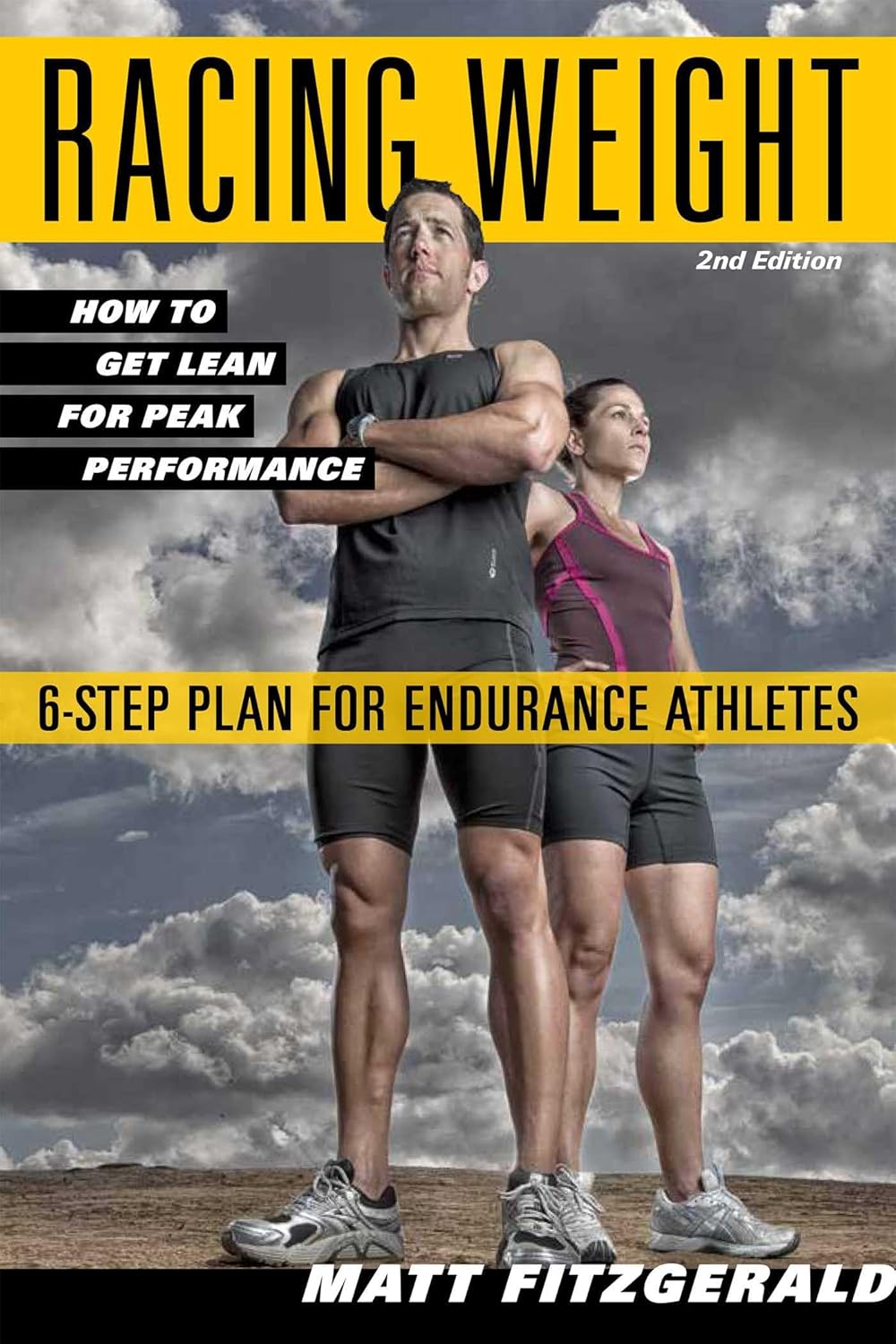
When we delve into the core of racing weight,it’s essential to grasp how the wisdom in this book resonates with our pursuit of athletic excellence. The main focus here is how lean we can get to enhance our overall performance. We frequently enough hear that every pound counts in racing, but Racing Weight challenges our assumptions about how to achieve that ideal physique.It emphasizes that it’s not merely about being light; it’s about finding our optimal race weight, which hinges on managing body fat percentage rather than the numbers on a scale.
What truly stood out to us was the philosophy behind body composition and performance.The author calls attention to the need for endurance athletes to assess their body fat as a more valid metric than obsessing over arbitrary weight figures. This approach is refreshing. Instead of just a number, we can focus on how our weight correlates with our performance on race day. We learned that while losing weight can be beneficial, it must always align with the goal of improving endurance and maximizing energy efficiency.
plus, we appreciated the practical strategies laid out in the book. From understanding the importance of nutrient timing to balancing our macronutrient intake, the actionable insights keep us engaged. Rather than shouting “calories in, calories out”, the author introduces a scoring system for food quality. This shift from calorie counting to a more intuitive approach made it easier for us to incorporate changes in our diets without feeling trapped in a strict regimen.
the guidance on how to tweak our eating habits-without resorting to drastic measures-encourages us to embrace a healthier lifestyle. It’s empowering to know that we can enjoy our meals and still achieve our racing goals. This book is a treasure trove of knowledge that speaks directly to athletes who are serious about managing their weight while maintaining peak performance.
Exploring the Key Features that Set It Apart
When we dive into the features of this book, one standout aspect is its evidence-based approach to weight management tailored specifically for endurance athletes. It’s all about understanding that our performance isn’t just linked to how much we weigh but also to how well we fuel our bodies. The strategies presented encourage us to manage our appetite while still enjoying the foods we love. This balance is crucial for keeping spirits high and preventing burnout.
Another key feature is its scoring system for diet quality, which simplifies the frequently enough daunting task of healthy eating. Instead of counting every calorie, we’re encouraged to focus on the quality of our food choices. This resonates with our crowds of endurance athletes who crave structure but can feel overwhelmed by intricate diet plans. By encouraging us to track how many healthy foods we consume daily, we start to develop a more intuitive understanding of nutrition.
The timing of our meals plays an essential role in this program as well.The book instructs us on how to optimally distribute our macronutrient intake throughout the day. By suggesting that we consume more carbohydrates in the morning and shift to protein later, it allows for better energy management. Those of us who are busy training can easily overlook the importance of food timing, but this insight can lead to significant improvements in performance and recovery.
Additionally, the inclusion of real-life anecdotes from pro athletes gives us practical perspectives on how to make these strategies work. This feature makes the content relatable and inspires us to envision our own journeys towards achieving an optimal racing weight. It feels less like theory and more like stepping into the shoes of seasoned competitors who have been where we are now. With these well-rounded tools and insights, navigating the road to peak performance has never felt more achievable.
the emphasis on a balanced diet rather than restrictive eating is refreshing. We find that it encourages a supportive community of endurance athletes focused on improving rather than just cutting back. With a mix of scientific research,practical examples,and a positive mindset,we’re equipped to tackle our weight challenges without compromising our love for the sport or our health.
Delving Deep into Its Practical Applications
When it comes to applying the principles from this insightful guide, we find practical techniques that can truly transform our approach to nutrition and performance. The book carefully outlines a weight management program specifically designed for endurance athletes, utilizing actionable steps we can incorporate into our daily routines. Instead of getting lost in complex diets or calorie counting, we’re introduced to the Diet Quality Score system, which simplifies our food choices and encourages a balanced intake of nutrients. This aligns perfectly with our goal of achieving optimal racing weight while fueling our workouts effectively.
One of the most practical applications we can take from this book is the concept of timing our nutrition. Fitzgerald emphasizes the importance of consuming the right balance of carbs, protein, and fat at different times throughout the day. This means we should prioritize consuming more carbohydrates early on to energize our day and save protein for later,helping with recovery. It’s a simple shift that can lead to noticeable changes in how we feel and perform, and it aligns with the idea of intuitive eating while still tracking our progress toward racing weight.
Moreover, the inclusion of strength training and high-intensity workout suggestions adds another layer of practical request. By incorporating these elements into our training regimen,we can accelerate changes in body composition and optimize our performance. while we may question whether we need to divert from our existing plans, it’s worth exploring these recommendations for those who are willing to experiment and find what works best for our bodies. the versatility and evidence-based approach outlined in the book provide a robust framework that’s easy to adapt to whatever level we’re currently at.
Lastly, the insights gleaned from professional athletes included in the book serve as a treasure trove of practical tips. Their daily food diaries not only illustrate how they navigate their nutrition while managing appetite but also highlight healthy food sources we might have overlooked. By taking cues from their experiences, we can more easily identify gaps in our own diets and make necessary adjustments without feeling overwhelmed. It’s all about creating a lasting way to reach our goals while still enjoying our meals.
Ultimately, this guide offers all the tools we need to delve deep into our nutrition, maximize our performance, and approach race day with confidence.By focusing on these practical applications, we find that achieving our racing weight becomes a manageable and rewarding journey.
our Insights on Achieving Lean Performance
Getting lean for peak performance isn’t just a goal for many athletes; it’s a necessity. We’ve dived deep into the insights shared in the book, and it’s evident that “Racing Weight” presents a solid foundation for endurance athletes striving to fine-tune their body composition. The approach combines tested principles with practical tools, helping us manage our weight without sacrificing performance. With an emphasis on balanced nutrition, we found that it aligns perfectly with what we already know – every little change counts.
One of the standout features for us was the emphasis on finding a racing weight based on body fat percentage rather than just height or BMI. This individualized focus creates a more tailored approach, encouraging us to adjust our eating patterns based on what works best for our unique bodies. The book even includes various ways to estimate our body fat, paving the way for us to better understand our optimal weight to enhance performance.Monitoring our body fat and performance together provides a clear picture of our progress, rather than just relying on numbers on a scale.
We were especially impressed by the section on nutrition timing. The idea of consuming more carbohydrates early in the day and focusing on protein later resonated with us. It feels like a game-changer for fueling our training sessions. Plus, using a “scoring system” for daily eating made it easier to see our progress without obsessively counting calories. Healthy choices score points,while less beneficial foods become evident on our scorecard,steering us toward better nutrition choices without the hassle of strict dieting.
Strength training and high-intensity workouts are also included, which we found helpful. While we may have our established training plans, having insights from elite athletes on incorporating supplemental strength can optimize our routines. it’s all about finding what clicks for us and enhancing our skills.the insights provided in “Racing Weight” not only challenge our current understanding but also offer pathways to achieve that lean performance every athlete strives for.
As we continue our journey towards lean performance,the tools and insights from the book are invaluable. Whether you’re an athlete looking to shed a few pounds for a race or someone who just wants to gain a better understanding of nutrition, this book provides an approachable roadmap. it’s a fantastic read for anyone serious about elevating their performance while managing their weight effectively.
Recommendations for Maximizing Your Results
To maximize our results using the insights from “racing Weight: How to Get Lean for Peak Performance,” we should focus on a balanced approach to nutrition and training.Understanding that our target weight is based on body fat percentage rather than just a number on the scale is crucial. This means we need to invest some time into assessing our body composition and track how our performance changes as we experiment with different weights.By combining personal measurements and performance evaluations, we can find our unique sweet spot for racing weight.
Another key suggestion is to embrace a flexible eating strategy that focuses on quality rather than strict calorie counting.Adopting Fitzgerald’s Diet Quality Score system can help us make better food choices without feeling deprived. We can aim to include those superfoods high in nutrients essential for training. It’s not just about what we eat, but when we eat as well. By prioritizing our carbohydrate intake in the morning and shifting to protein-rich meals later, we can sustain energy throughout our training sessions while optimizing recovery.
Furthermore, let’s not overlook the importance of strength training and high-intensity workouts, which can have a significant impact on our body composition. Even if we already have a training plan that works for us, integrating these elements sporadically can help accelerate our weight-loss journey. It’s beneficial to find a personalized approach that considers our lifestyle and preferences to keep us motivated and on track.
We should also pay attention to the hidden sugars in our favorite foods and avoid them where possible. Awareness of what we consume is essential in managing our appetite effectively. this book provides a comprehensive framework for any endurance athlete looking to get lean without sacrificing performance,making it an invaluable resource in our weight management journey.
Customer Reviews Analysis
Customer Reviews Analysis
In our exploration of “Racing Weight: How to Get Lean for Peak Performance”, we’ve gathered a collection of customer reviews that highlight diverse perspectives on the book’s effectiveness and its impact on weight management for athletes. Let’s analyze the insights shared by readers to understand what truly makes this book a noteworthy resource for endurance athletes.
| review Highlights | Key Takeaways |
|---|---|
| “I was blown away by this book…” | The book challenges common misconceptions about weight and performance, emphasizing body fat percentage over traditional metrics. |
| “This book provides a simple and effective guiding principle…” | readers appreciate the focus on balanced nutrition without the hassle of strict calorie counting,promoting flexible meal choices. |
| “I finally found a book that discusses dieting for athletes…” | The author advocates for regular,nutritious meals over restrictive diets,appealing to sports enthusiasts. |
| “A must for runners…” | Many runners report learning the significance of pacing and the interplay between training and nutrition. |
| “Matt has done extensive research…” | The book is noted for debunking weight loss myths, which adds credibility and trust for those in endurance sports. |
as we can see from the feedback,the majority of readers found significant value in the book’s insights on nutrition and performance management. Specific themes emerged from the reviews:
1. Challenging Conventional Wisdom
Many reviewers appreciated the book’s ability to challenge established beliefs about weight loss and athletic performance. This resonates particularly well with athletes who are skeptical of traditional dieting methods, reinforcing the notion that performance should be prioritized over mere weight loss.
2.Practical Advice on Nutrition
Numerous customers highlighted the practical application of nutrition principles laid out in the book. The scoring system for food choices and the emphasis on timing proved transformative for several readers,which indicates that the approach taken is not only accessible but also actionable in real life.
3. Individualized Approach to Dieting
Rather than presenting a one-size-fits-all solution, the book encourages readers to find what works for them based on their unique requirements and training regimes. This personalization struck a chord with many athletes, particularly those who have struggled with rigid diet plans in the past.
4. Wide Appeal for Various Athletes
the inclusion of sections for vegetarian athletes and those with dietary restrictions suggests that this book appeals to a broad audience. This is vital as it reflects the growing diversity in athletic diets and the need for inclusive guidance in sports nutrition.
the customer reviews provide a compelling endorsement of “Racing Weight” not only as a weight management tool but as a comprehensive guide to enhancing athletic performance through nutrition. we found that athletes from various backgrounds can gain valuable insights to apply in their pursuit of peak performance.
Pros & Cons
Pros & Cons of Racing Weight: how to Get Lean for Peak Performance
In our quest to provide a thorough review of “Racing Weight: How to get Lean for Peak Performance,” we’ve compiled a list of pros and cons based on our experience and the insights shared by fellow endurance athletes. This should help you decide if this book is the right tool for your weight management journey.
| Pros | Cons |
|---|---|
| Science-Based Approach - The program is grounded in research, ensuring that the methods suggested are backed by science rather than fad diets. | No One-Size-Fits-All – Individual results may vary; what works for one athlete might not work for another. |
| Practical Tools - The book offers useful tools like the Diet Quality Score, making it easier for us to improve our eating habits without meticulous calorie counting. | Time Commitment – Following the program might require a significant time investment, particularly for tracking meals and training. |
| Tools for Appetite Management – Insights on managing hunger and cravings can be invaluable for athletes looking to enhance performance without compromising energy levels. | Requires Discipline – Achieving weight goals may necessitate lifestyle changes that require commitment and self-discipline. |
| Inspiring Success Stories – The daily food diaries of 18 pro athletes provide relatable insights and motivation from those who’ve been prosperous in their weight management. | Limited for Non-Athletes – Those who are not competitive athletes may find some sections less applicable to their lifestyle. |
| Comprehensive framework – The six-step program is structured and easy to follow, providing a clear pathway for athletes. | Access to Professional Guidance – The absence of direct coaching might leave some readers wanting for personal feedback. |
Ultimately, “Racing Weight: How to Get Lean for Peak Performance” is a robust resource for endurance athletes dedicated to achieving their ideal weight without sacrificing performance. By weighing these pros and cons, we can better understand how it fits into our unique fitness journeys.
Q&A
Q&A Section for “”
Q1: Who is the target audience for Racing Weight?
A1: Racing Weight is primarily designed for endurance athletes such as runners, cyclists, and triathletes.It addresses the unique challenges these athletes face in managing weight without compromising their training or performance.
Q2: What makes Racing Weight different from other weight management programs?
A2: Racing Weight stands out because it is specifically tailored for athletes, using the latest research and best practices from elite performance. it emphasizes practical tools, like the Diet Quality Score, and focuses on maintaining energy levels while improving dietary habits, rather than just calorie counting.
Q3: Can Racing Weight help athletes who struggle with appetite control?
A3: Yes! One of the key aspects of the Racing Weight program is its approach to managing appetite. The strategies laid out in the book not only help athletes make better food choices but also provide guidance on timing nutrition throughout the day to help sustain energy levels and stave off cravings.
Q4: How can we monitor our progress with the Racing Weight program?
A4: The book encourages athletes to keep daily food diaries, which provide insights into eating habits and nutrient intake. It also recommends easy methods for monitoring weight and performance, allowing us to see how our dietary changes impact our training and race outcomes.
Q5: Are the dietary recommendations in Racing Weight easy to follow?
A5: Absolutely! The book offers simple, actionable steps to integrate into our daily lives.The inclusion of Racing Weight superfoods and the emphasis on improving diet quality makes it accessible, even for those who may feel overwhelmed by complex diet plans.
Q6: How does Racing Weight address training and diet simultaneously?
A6: Racing Weight helps athletes train effectively while also focusing on weight management. Coach Matt Fitzgerald outlines a balanced approach, ensuring that our nutrition supports our training regimens, which ultimately helps us to achieve our personal best.
Q7: What if I have specific dietary restrictions or preferences?
A7: The principles outlined in Racing Weight are flexible and can be adapted to various dietary preferences and restrictions. The focus on nutrient-dense foods allows for personalization according to individual needs, ensuring that we can still follow the program while honoring our dietary choices.
Q8: How do the insights from elite athletes featured in the book help in applying the program?
A8: The daily food diaries from 18 professional athletes provide real-world examples of how elite competitors manage their diet while training. These insights offer inspiration and practical strategies that we can apply to our own training and weight management routines.
Q9: Is the Racing weight program sustainable for long-term weight management?
A9: Yes, the program is designed for sustainable weight management rather than quick fixes. It encourages lifestyle changes that athletes can continue indefinitely, making it a practical choice for those looking to maintain their ideal weight and performance levels over time.
Q10: Where can we purchase Racing Weight?
A10: Racing Weight is available at various bookstores and online platforms. It’s published by VeloPress, known for high-quality books in the endurance sports community, so we can trust that we’re getting a valuable resource for our athletic journeys.
Reveal the Extraordinary
As we wrap up our exploration of “Racing Weight: How to Get Lean for Peak Performance,” it’s clear that this program is more than just a weight management guide-it’s a comprehensive strategy tailored specifically for endurance athletes like us. With the insights from matt fitzgerald, we are equipped with the knowledge to improve our diet quality, manage our appetite, and finely tune our nutrition timing.The tools provided, from the Diet quality Score to the perspectives of elite athletes, simplify the journey toward achieving our fitness goals without compromising our training.
Each page of this book resonates with a promise: that achieving our best performance doesn’t have to be a struggle; it can indeed be a seamless part of our training routine. If you’re ready to elevate your performance and shed those extra pounds responsibly, then Racing Weight may just be the game-changer we’ve been looking for.
So why wait? Let’s take the first step towards becoming our leanest and strongest selves by diving into this essential resource. Check it out here and start our journey to peak performance today!