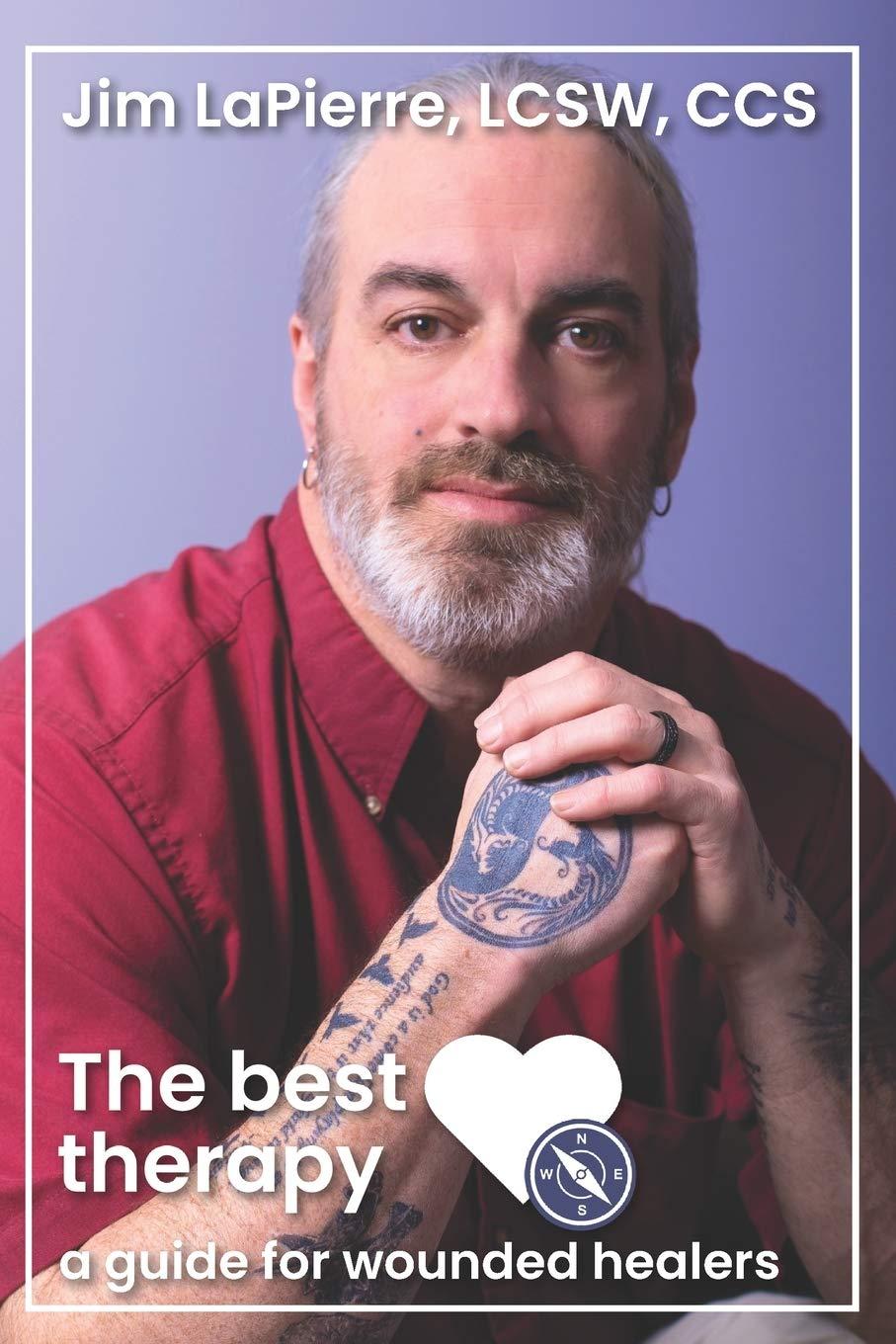
In our journey as healers-whether we’re therapists, counselors, or anyone who dedicates their time to uplifting others-there lies an undeniable truth: we often neglect our own well-being while tirelessly caring for those who need our help. This paradox not only challenges us but also can leave us feeling depleted and overwhelmed. Fortunately,we’ve stumbled upon a transformative resource: The Best Therapy: A Guide for Wounded Healers. This book serves as both a mirror and a map, guiding us through the complex landscape of self-care and professional support.
Published in January 2020, this insightful guide spans 319 pages of thought-provoking content aimed at helping us embrace the idea that prioritizing our own needs is not selfishness, but rather an essential act that enhances our effectiveness as healers.With a commendable rating of 4.8 stars from fellow practitioners, this book has quickly carved out a place for itself in the realm of self-help literature.
Join us as we dive deeper into The Best Therapy, exploring how it challenges us to reassess our perspectives, supports our individual journeys, and ultimately redefines how we value ourselves in relation to the work we do for others. Whether you’re a seasoned professional or just starting on yoru healing path, this guide promises to be a vital companion in our collective quest for balance and fulfillment.
Table of Contents
an Insightful Journey into Healing: Our Experience with The Best Therapy

From our perspective, navigating the complex world of healing can be daunting, especially when we bear the weight of our own wounds. In “The Best Therapy: A Guide for Wounded Healers,” we found an incredible resource that embraces this struggle with honesty and transparency. jim offers an insightful perspective that resonates deeply with those of us who work in caregiving professions. It’s not just about providing care-it’s equally about our well-being. Through this book, we felt that we were not alone in our experiences, and this realization was both liberating and uplifting.
As we delved into the pages, we appreciated the author’s candid acknowledgment of his journey as a wounded healer. He perfectly encapsulates the paradox of self-care in his writing. By investing in our own healing, we become even better providers for those we serve. The book’s discussions on trauma and its impact on our lives were enlightening. Jim’s style is engaging and approachable, making complex topics easier for us to grasp. This book serves as a gentle reminder of the importance of nurturing ourselves so that we can extend our best selves to others.
This journey through the pages continued to resonate as we encountered various sections of insights and meditations. Practicing professionals in the mental health field will find this book invaluable. It doesn’t just speak to the theory behind healing; it offers real-world applications and presents experiences that many of us can relate to. We found ourselves reflecting on our own thoughts, feelings, and how we relate to the world, which substantially deepened our understanding of ourselves and our roles in the healing process.
Whether we are fledgling therapists or seasoned practitioners, the guide serves as a much-needed reminder of our shared humanity. It encourages us to embrace gentleness towards ourselves while holding ourselves accountable for our growth. Ultimately, enjoying Jim’s profound truth and honesty throughout this journey not only inspired us, but also emphasized the ripple effect our healing journeys can have on the lives of those we touch.
Unveiling the Features: What Sets This Guide Apart for Wounded Healers
The guide stands out remarkably for wounded healers, primarily due to its unique approach to self-care and the healing journey. It emphasizes the importance of putting oneself first, a concept that may feel uncomfortable yet is utterly essential for effective practice.The author meticulously breaks down this paradox, showing us how being “selfish” translates to enhanced ability to support our clients. By valuing ourselves in a judgment-free manner, we can extend that same compassion and understanding to those we serve.
One of the key features that sets this guide apart is its relatable tone and compelling storytelling. The author transparently shares personal experiences, making it easier for us to connect with the content. Each chapter is filled with genuine insights about healing, self-reflection, and accountability. The blend of personal anecdotes and professional advice ensures that we feel seen and understood, leading to an enhanced emotional connection to the material.
In addition, the guide includes practical exercises and meditative prompts-tools that serve as an essential part of our journey as wounded healers. These actionable insights allow us to engage deeply with the healing process. They encourage us to not just think about our healing but actively participate in it. as we navigate our own challenges, we gain the confidence and motivation to offer the best care possible to others. Each exercise feels like a step towards not just understanding ourselves but transforming how we relate to the world around us.Ultimately, this guide is not only a resource for therapists but is also a treasure trove of wisdom for anyone grappling with their trauma history. It highlights how trauma impacts our lives and the various ways we can foster growth and healing. By addressing our struggles alongside our victories, it reassures us that we are not alone on this journey. the author brings a sense of community, encouraging us to support one another as we cultivate our inner resilience.
Exploring the Depths: Key Themes and Ideas That Resonate with us
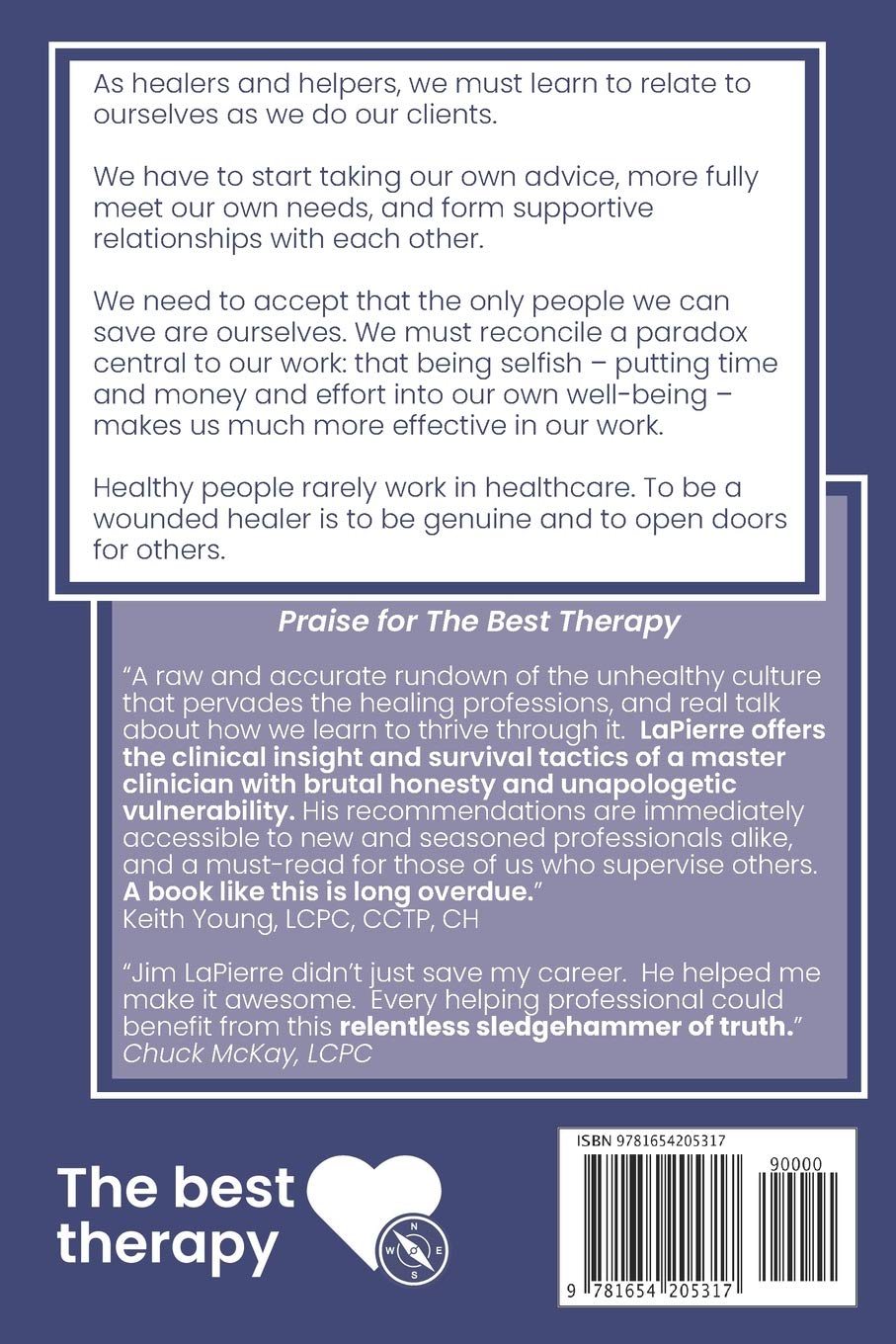
We all know a basic truth: to help others, we must first help ourselves. This idea resonates deeply throughout the pages of our featured book. It emphasizes the importance of self-care for professionals in the healing and helping fields. The author brilliantly articulates that being a wounded healer isn’t a hindrance, but rather a distinct advantage. Through personal anecdotes and professional experiences, he underscores how our own struggles can empower us to be better caregivers. It’s a refreshing reminder that vulnerability can be a strength in our journey toward helping others.
The dialogue around trauma is particularly profound. The author dives deep into the ways trauma can affect our emotional and mental health.He shares insights on recognizing these impacts and highlights the importance of understanding their ripple effects on our lives and the lives of those we serve. We appreciate that he encourages readers to reflect on their feelings, thoughts, and relationships openly. By doing so, we can foster a deeper connection with ourselves and others, making us more effective in our roles as healers.
Furthermore, this guide promotes a supportive community among professionals. The message is clear: we must learn to value ourselves as we value our clients. This theme of mutual support among therapists and healers is liberating. It’s comforting to know we are not alone in our journeys of healing. The book is a call to action; it challenges us to nurture our well-being as a priority rather than an afterthought. This idea resonates with us on many levels,making it an essential read for both new and seasoned professionals.
Lastly, the author encourages introspection and accountability. It’s engaging to see how he uses simple yet effective writing prompts that foster both personal growth and professional reflection.This aspect of the book invites us to slow down and truly consider our paths. His heartfelt storytelling combined with easy-to-follow exercises empowers us to take charge of our healing journey while reminding us of the importance of showing up authentically for ourselves and, by extension, for those we care for. We can’t recommend this book enough; it truly speaks to the heart of what it means to be a healer.
Practical Wisdom: How We Implemented Its Teachings in Our Lives
practical wisdom is at the heart of our journey through “The Best Therapy: A Guide for Wounded healers.” Implementing its teachings in our lives has been nothing short of transformative. As we dived into its pages, we found a gentle reminder that our emotional well-being impacts our ability to help others. This book encourages professionals in our field to confront the paradox of self-care. We often forget that investing in ourselves makes us better healers. By valuing our own needs as we do for our clients, we can cultivate deeper connections and provide more effective support.
We embraced the concepts Jim outlined, particularly the idea that our traumas can become sources of strength.This reframing was a game-changer. Rather of viewing our wounds as weaknesses, we learned to see them as touchstones that enhance our empathy and understanding. By acknowledging our vulnerabilities, we became more authentic in our practice. when we feel validated in our experiences, we can share this authenticity with those we serve. This openness creates a ripple effect, fostering an habitat of trust and healing.
Another powerful teaching that we applied was the importance of maintaining accountability towards ourselves. Jim emphasizes that self-care isn’t just a luxury; it’s a necessity for being effective in our roles. We began to prioritize routines that nurture our mental and emotional health-things like regular check-ins, meditation, and even setting boundaries with our time. This shift has allowed us to engage more fully in our work and maintain a sense of balance. We understand now that caring for ourselves doesn’t detract from our ability to help others; it enhances it.
Incorporating these lessons from this insightful guide into our daily practices has helped us navigate the complexities of being wounded healers.With each chapter explored, we discovered not only strategies for personal growth but also tools to share with our clients. The writing prompts and meditations provided in the book led to thoughtful discussions in our professional circles, helping us collectively grow as healers. It’s clear now-embracing our wounds opens pathways to greater healing for both us and those we serve.
This journey through the teachings has reinforced the value of vulnerability and authenticity in our work. We can confidently say that reading this book has equipped us with practical strategies and profound insights. As we continue to implement its teachings, we are becoming better healers and, more importantly, our best selves. We highly encourage every helping professional to explore these concepts and open themselves to the transformative power of self-care.
Our Recommendations: Making the Most of The Best Therapy for Personal Growth
If you’re looking to profoundly enrich your personal growth, we couldn’t recommend “The best therapy: A guide for wounded healers” enough. This book illuminates a crucial truth: helping ourselves allows us to help others more effectively.Frequently enough, we feel the weight of our role as healers and caregivers. By recognizing our struggles and embracing self-care, we can truly transform not just our lives but also the lives of those we support. As we dive into the guidance provided in this book, we uncover the path toward healing and growth with confidence and care.
One of the standout features is the author’s raw, honest approach to discussing the challenges of being a ‘wounded healer.’ This is not just theory; it’s about real experiences that resonate with anyone on the healing journey.We appreciate the way he navigates through trauma – it’s relatable and profoundly validating.It reminds us that we are not alone in our struggles. Each chapter offers insights that inspire us to reflect on our journey and refine our approach to helping those around us.
Incorporating practical exercises and meditative prompts, the book emphasizes accountability and gentleness toward oneself. It’s easy to get lost in the responsibilities of being a provider. still, this guide encourages us to take a step back and focus on our well-being first. We find this element particularly refreshing,as it attests that taking care of ourselves can lead to a ripple effect of healing. The simple yet impactful strategies allow us to personalize our growth journey, making it easier to integrate them into our daily routines.
For anyone in the mental health profession or those who have experienced trauma, this book serves as a crucial resource. The combination of personal narrative, professional insights, and practical advice makes it a guide we wish we had earlier in our careers. with its affordable price of $14.99, it’s more than just a book; it’s an investment into our own growth and the well-being of those we help. The unique perspective it offers encourages us to explore our healing while bolstering our capacity to support others meaningfully.
So, are you ready to elevate your personal growth journey? Dare to explore the insights and exercises that “The best therapy: A guide for wounded healers” has to offer. We believe this book is essential for anyone in the field and can greatly benefit anyone who resonates with the notion of being a wounded healer. Don’t miss out on this opportunity to invest in your healing path.Grab your copy now and embark on a journey of self-discovery and change. Buy Now on amazon
Customer Reviews Analysis
Customer Reviews Analysis
As we dive into the heart of the feedback surrounding “The best therapy: A guide for wounded healers,” it’s evident that readers have found immense value in Jim’s insights.The reviews paint a vivid picture of how this book resonates not just with therapists but with anyone on a healing journey.Let’s explore the themes and sentiments that stood out in the customer reviews.
Key themes
- Transparency and Relatability: Many readers appreciated Jim’s candidness in sharing his personal experiences as a wounded healer. This relatability was highlighted as a meaningful factor in helping readers feel validated and less alone in their struggles.
- Importance of Self-Care: The recurring message about the necessity of self-care for healing professionals resonated deeply. Customers felt inspired by the concept that taking care of oneself allows for better care of others.
- Effectiveness for All: Reviewers noted that the book’s insights are not limited to practitioners in the field but can benefit anyone with a trauma history. this broad applicability adds to the book’s appeal.
Overall Sentiment
The general sentiment expressed in the reviews is overwhelmingly positive. Readers found the book not only enlightening but also profoundly inspiring. Here’s a brief summary of how customers rated their experience:
| Rating | Review Highlights |
|---|---|
| 5 Stars | “Highly recommend! A must-read for all helping professionals.” |
| 4 Stars | “Splendid insights into being a wounded healer. Just loved it!” |
| 4 Stars | “A fantastic read that promotes self-care and accountability.” |
| 5 Stars | “Profound truth and honesty throughout. Very inspiring!” |
Final Thoughts
“The best therapy: A guide for wounded healers” has struck a chord with its audience. As we reflect upon the feedback, it’s clear that Jim’s approach has not only educated but also empowered many, encouraging a ripple effect of healing in their personal and professional lives.By fostering a community of support and understanding, this book serves as an essential resource for anyone looking to navigate their journey of healing.
pros & Cons
Pros & Cons
Pros
- Unique Perspective: This guide offers insights specifically for healers, addressing the unique challenges we face.
- Encourages Self-Care: It emphasizes the importance of our own well-being,helping us to become more effective in our practice.
- Emphasizes Community: The book advocates for mutual support among healers, fostering a sense of belonging and understanding.
- Well-Structured: With its 319 pages, the book is complete yet easy to navigate, making it accessible for busy professionals.
- Positive Reception: Boasting a rating of 4.8 out of 5 stars, it has resonated well with many readers in the healing profession.
Cons
- Niche Audience: The content might be too specific for those outside the healing profession, limiting its broader appeal.
- Lengthy: At 319 pages,some may find it a bit overwhelming or time-consuming to read.
- Independent Publishing: As an independently published work, some readers might question the editing and quality assurance.
- Limited Evidence-Based Practices: While it offers valuable insights,some readers may seek more evidence-based self-help strategies.
- Repetitive Themes: A few reviewers noted that certain concepts could feel redundant over the course of the book.
Q&A
Q&A Section: “”
Q1: What inspired the creation of “The best therapy: A guide for wounded healers”?
A1: We initially felt the need for a resource that directly addresses the unique struggles faced by healers and helpers. Often, those in caregiving roles prioritize others over themselves, leading to burnout and emotional exhaustion.This guide was created to encourage professionals to invest in their own well-being,helping them reconcile the paradox between self-care and their ability to effectively assist others.
Q2: Who is the intended audience for this book?
A2: This book is primarily aimed at professional healers-therapists, counselors, nurses, and anyone in a helping capacity. However, we believe anyone interested in personal development and self-care can benefit from the insights shared, as the principles of valuing oneself are universally applicable.
Q3: How is the content structured within the book?
A3: The guide spans 319 pages, thoughtfully structured into various sections that explore key themes like self-valuation, the importance of reciprocal support among professionals, and practical strategies for self-care. Each chapter is designed to be engaging and accessible, allowing readers to reflect deeply while also providing actionable advice.
Q4: What makes this self-help guide different from others?
A4: We think the uniqueness of this guide lies in its focus on the very specific challenges of wounded healers. While many self-help books discuss self-care in broad terms, this one tackles the intersection of professional and personal healing. It emphasizes that being ‘selfish’ isn’t a negative trait-it’s essential for a lasting career in helping professions.
Q5: How does the book encourage professionals to practice self-care?
A5: Through a blend of anecdotal experiences, practical exercises, and reflective prompts, the book encourages us to create our own self-care routines. It challenges us to embrace our vulnerabilities while also empowering us with tools to foster healing and growth-not just for ourselves,but within our practice and client relationships.
Q6: Are there any specific techniques or exercises included in the guide?
A6: Absolutely! The book features various exercises designed to facilitate self-exploration and promote healing. These include journaling prompts, mindfulness practices, and strategies for creating professional support networks. We feel that these practical tools greatly enhance the reader’s ability to implement the concepts discussed.
Q7: What have other readers said about the guide?
A7: The feedback has been overwhelmingly positive, with a high customer rating of 4.8 stars. Readers have noted the book’s relatable tone and practical advice,expressing that it not only resonates with their experiences as healers but also motivates them to prioritize their self-care,ultimately improving their work with clients.
Q8: Is this book suitable for someone who is just starting their career in a helping profession?
A8: Yes, we believe “The best therapy” is a valuable resource for newcomers as well as seasoned professionals. It lays a foundational understanding of the importance of self-worth and care right from the beginning of one’s career in the helping fields, fostering habits that can lead to long-term well-being and professional success.
Q9: Where can we purchase “The best therapy: A guide for wounded healers”?
A9: the book is independently published and can be found on major online platforms such as Amazon, where it’s available in print. with its accessible dimensions fitting easily into a bag, it’s perfect to take along for both personal reading and professional development.
Q10: Will there be future editions or related works?
A10: As of now, we don’t have concrete plans for a sequel, but considering the positive reception, we are open to the possibility of future works that delve deeper into related topics. We are dedicated to supporting the healing community, and we’d love to hear feedback from readers about what they’d like to see next!
Embrace a New Era
As we wrap up our exploration of “The Best Therapy: A Guide for Wounded Healers,” it becomes increasingly clear how vital it is for us, as healers, to prioritize our own well-being. This guide invites us into a transformative journey, emphasizing that by embracing our own needs, we can elevate our ability to support and heal those we serve. With its thoughtful insights and practical approaches, this book serves as a beacon for all of us in the helping professions, urging us to cultivate self-compassion, professional support, and a deeper understanding of our value.
In a world that frequently enough magnifies the needs of others, let us remember that nurturing ourselves is not just an act of kindness; it is indeed an investment in our effectiveness. We encourage you to delve into this enlightening read and witness the shifts it can inspire in your personal and professional life.
Are you ready to take the next step in your journey toward self-empowerment and enhanced healing? Dive into “The Best Therapy” today and unlock the fullness of your potential.