Welcome to our in-depth review of “Off-Road Vehicle Engineering Principles,” a cornerstone resource for anyone passionate about the machinery that powers agriculture.As teachers, professionals, and enthusiasts in the field of agricultural engineering, we’ve turned the pages of this text to see what new insights it offers, especially as a successor to the now out-of-print “Tractors and Their Power Units.”
From engine performance measures to detailed examinations of hydraulic systems,this book dives into the technical intricacies and practical applications of off-road vehicle engineering.We approached it with a mix of excitement and curiosity, eager to decipher its extensive coverage-from thermodynamics to chassis mechanics.
with the assumption of some foundational knowledge in undergraduate physics and college algebra, we were pleasantly challenged while navigating through various concepts, hoping to uncover how these machines operate in the fields. Accompanied by useful illustrations and an errata sheet for clarification, we were ready to explore the depths of this engineering narrative.
Join us as we share our thoughts and reflections on this essential guide that aims to blend theoretical knowledge with the realities of agricultural machinery. Whether you’re a seasoned professional or an aspiring engineer, let’s embark on this exploration together.
Table of Contents
Overview of Off-Road Vehicle Engineering Principles and Our Expectations
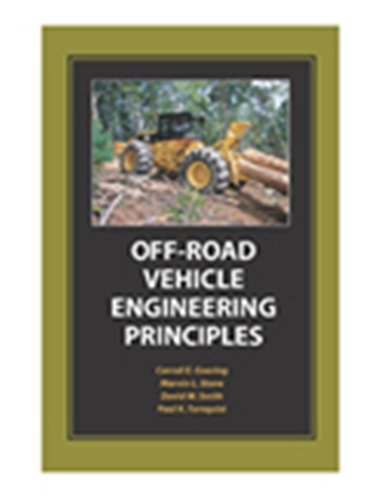
The landscape of off-road vehicle engineering is vast and complex, making an understanding of its principles essential for enthusiasts and professionals alike. With a solid foundation in the subject, we can appreciate the intricacies of vehicle design, performance, and safety. The Off-Road Vehicle Engineering Principles provides a wealth of facts that caters to both beginners and seasoned engineers. It delves into various aspects like engine performance,drive trains,and chassis mechanics,helping us grasp their significance in the overall functionality and enjoyment of off-road vehicles.
as we explore this engineering treasure,we quickly find that it’s not just theoretical mumbo-jumbo; it’s grounded in real-world request. The book emphasizes systems such as cooling, electrical, hydraulic, and human factors, giving us insightful perspectives on how each component influences vehicle behavior in challenging conditions. One of the standout elements of this guide is its ability to bridge the gap between complex engineering concepts and practical implications,making it an invaluable resource for those involved in off-road vehicle design and maintenance.
Moreover, the text is illustrated in black and white, which, while simple, effectively conveys the necessary information without overwhelming us with excessive visuals. we appreciate how it walks us through engines and their cycles whilst prompting critical thinking about system interactions. The errata sheet included is also a thoughtful addition, allowing us to point out areas for consideration, thus refining our understanding as we journey through the manual.
the principles outlined in this book set clear expectations for crafting and operating off-road vehicles. With our combined curiosity and technical background, we find that it enhances our grasp of not just how these machines operate but also why they perform the way they do in various environments. We’re excited to take these learnings into practical applications, ensuring safer and more effective off-road adventures.
So, if you’re looking to deepen your knowledge and skills in off-road vehicle engineering, this book is certainly worth a look. Not only does it equip us with essential knowledge, but it also ignites our passion for understanding the machines that allow us to tackle the great outdoors confidently.
Exploring the Unique Features That Set This Product Apart
When we dive into the world of off-road vehicles, understanding the engineering principles behind them becomes essential. The book we’re discussing does an remarkable job of bridging the gap between theory and practical application. One of the key features that set this product apart is its comprehensive approach to engine performance measures. From thermodynamics to testing protocols, this text provides a robust foundation for anyone looking to grasp the intricacies of off-road vehicle engineering.
The sections on hydraulic systems and drive trains are notably noteworthy. These features don’t just provide information; they offer real-world insights that gear heads and professionals can apply to their projects. We found that the detailed diagrams and illustrations enhance understanding significantly. Having a visual aid alongside explanations allows us to see how each component interacts within the larger system, transforming the learning experience from abstract concepts into tangible knowledge.
Another unique aspect is the way it addresses human factors and safety.It’s refreshing to see that this text doesn’t just focus on machines but emphasizes the importance of the operator’s safety and efficiency in using these vehicles. This thoughtful inclusion ensures that readers consider the human element in engineering, making the information all the more applicable. For us, this focus adds a vital layer of realism to the engineering principles presented throughout the book.
the combination of thorough technical coverage and relatable application makes this book a standout choice. It’s more than just a textbook; it’s an essential resource for anyone serious about understanding off-road vehicle dynamics. Whether we’re engineers, hobbyists, or just curious readers, this product gives us the tools to deepen our understanding and thankfulness of off-road vehicle engineering.
Diving Deep into Performance: Real-World Applications and Insights
When we dive into the performance and real-world applications of “Off-Road Vehicle Engineering Principles,” it’s evident that this book doesn’t just skim the surface; it offers profound insights grounded in both theory and practice. We appreciated how it integrates essential engineering concepts, particularly the drivetrain segments. This aspect struck us as particularly engaging because it connects the mechanics to real off-road conditions, demonstrating how various systems work together to achieve optimal vehicle performance.
One of our favorite applications discussed in the book is the analysis of drive trains. The text clearly breaks down their intricacies, allowing us to visualize how each part contributes to the vehicle’s ability to traverse demanding terrains. With thorough explanations of traction, transport devices, and chassis mechanics, we found ourselves gaining a deeper understanding of the engineering behind off-road capabilities.This book effectively bridges the gap between the textbook and actual off-road driving experiences, illuminating how engineering principles can influence performance in the wild.
Another highlight for us was the book’s discussion on safety and human factors. It’s one thing to have a robust machine, but safety is paramount, especially in off-road contexts. The insights on hydraulic systems and electrical components also added a layer of practicality that’s often overlooked in more theoretical texts. We could envision the various scenarios where these principles apply,making it feel relevant and urgent,especially for people who venture into rugged terrains.
“off-Road Vehicle Engineering Principles” serves as more than just a technical manual. It’s an enriching resource that opens our eyes to the rigorous science behind off-road vehicles. Whether we’re engineering enthusiasts or professionals, the practical applications discussed resonate with us, making it a valuable addition to our collection of technical literature.
Our Detailed Evaluation: Strengths and Areas for Improvement
The book on Off-Road Vehicle Engineering Principles is quite notable. We appreciate how it meticulously covers various aspects of vehicle mechanics,especially aimed at those who truly want to delve into the nitty-gritty of how things work under the hood. From engine performance measures to the intricacies of drive trains, the content is rich and informative. It’s clear that the authors put a lot of effort into blending theory with practical applications. This is especially beneficial for engineering students and professionals alike, as they can easily relate theoretical concepts to real-world scenarios.
Another area where this book excels is in its clear and concise explanations. We found the way it broke down complex topics really engaging. The illustrations, while in black and white, supplement the text effectively, helping to visualize concepts that could otherwise be quite abstract. This visual aid is great for grasping detailed topics like thermodynamics and engine cycles. We also liked how the errata sheet was included, addressing problem spots across chapters, which shows a commitment to providing accurate information. However, we did notice that some sections could have benefited from more modern examples or case studies to connect with current technology and practices.
Despite its strengths, there are a few areas that could use improvement. The assumption of prior knowledge in undergraduate physics and college algebra might be a hurdle for some readers.Beginners or those outside the field could find themselves lost without a strong foundational understanding. Additionally, while the breadth of topics is commendable, some readers might wish for a deeper dive into specific subjects, such as the latest advancements in hydraulic systems or cutting-edge engine designs.Striking a balance between broad coverage and in-depth analysis would enhance the book’s value.for those eager to enhance their understanding of off-road vehicle engineering, the benefits far outweigh these minor setbacks.
Final Thoughts and Recommendations for Enthusiasts and Engineers
When diving into the world of off-road vehicle engineering, the insights we gain from “Off-Road Vehicle Engineering Principles” are invaluable. This book is a unique treasure trove for both enthusiasts and engineers alike. It brilliantly establishes a bridge between theory and practical application. With its engaging content, we find ourselves immersed in the fascinating nuances of drivetrain systems and chassis mechanics, making it a vital addition to our libraries.
For those of us eager to understand the inner workings of off-road vehicles,this text delivers a solid foundation. The chapters covering topics such as engine systems and hydraulic controls are particularly enlightening. they not only clarify how different components interact but also explore real-world implications. The experience of learning how these vehicles perform under varying conditions enhances our appreciation for off-road engineering. The illustrations help us visualize the concepts, making complex ideas more digestible and enjoyable.
While the price of $69.99 is reasonable for the depth of knowledge imparted, it’s essential to assess this based on our specific needs. If we are serious about off-road engineering, then the investment is definitely worth it. Compared to other resources, this one provides comprehensive coverage and expert insights. It can serve as a go-to reference for projects or just casual reading if we’re curious about the inner workings of these powerful machines.
For enthusiasts looking to deepen their understanding, we cannot recommend this book enough. Whether we are students, hobbyists, or professionals in the field, the knowledge gained here will undoubtedly enhance our skills and appreciation for off-road vehicle dynamics. It’s a solid proposal for that evolving engineer in us all. Let’s take the plunge and explore the depths of off-road vehicle engineering together!
Ready to purchase? Get it now on Amazon
Customer Reviews Analysis
Customer Reviews analysis
In our quest to provide a comprehensive review of the Off-Road Vehicle Engineering Principles, we dove into the valuable feedback from fellow readers. Their insights help us gauge not just the book’s effectiveness but also its practical application in the world of off-road vehicle engineering. Let’s explore what our fellow enthusiasts have to say.
Key Highlights from customers
| Customer Review | Positive Attributes | Personal favorites |
|---|---|---|
| “I enjoyed how this book covers both theory and practical application of engineering knowledge to any given scenario.” | Comprehensive coverage, theoretical and practical balance | Drive train segments |
| “Great book, check it.” | Recommendation, simplicity | N/A |
we noticed a clear trend in the reviews. Readers appreciate the blend of theory and hands-on knowledge, which resonates well with both seasoned professionals and novices in off-road vehicle engineering.The emphasis on practical application makes the learning process much more engaging.
Common Themes Observed
- Theory Meets Practice: Many reviews echoed the sentiment that the book effectively bridges the gap between theoretical concepts and real-world applications.
- Drive train Focus: A particular favorite amongst readers seems to be the segments focusing on drive trains. This seems to be an area that many find both intriguing and essential for off-road engineering.
- Ease of Recommendation: The simplicity of the book’s presentation encourages readers to recommend it to peers without hesitation, indicating its accessibility.
our analysis of customer reviews indicates that the Off-Road Vehicle Engineering Principles book is well-received, with a meaningful blend of information and practical insight that appeals to a variety of readers.As we continue to explore and learn from the world of off-road vehicle design and engineering, having such resources is invaluable for all of us.
Pros & Cons
Pros & Cons of “Off-Road Vehicle Engineering Principles”
As we delve into the various aspects of the “Off-Road Vehicle Engineering Principles,” we’ve compiled a balanced review of its strengths and weaknesses to help guide your decision. Here’s what we found:
Pros
- Comprehensive Coverage: this book dives deep into essential topics such as engine design, thermodynamics, and hydraulic systems, making it a valuable resource for both students and professionals.
- Clear Illustrations: The black-and-white illustrations enhance our understanding of complex concepts, offering visual support to the technical content.
- User-Friendly Structure: The organization of the content makes it easy to navigate through various engineering principles, helping us find relevant information quickly.
- High Customer Rating: With an impressive 4.8 out of 5 stars from customer reviews, it has garnered positive feedback from those who have used it.
- Errata Sheet Provided: The inclusion of an errata sheet is a thoughtful touch that addresses any potential confusion within the text, demonstrating the publisher’s commitment to clarity.
Cons
- Assumed Prior Knowledge: This book requires a background in undergraduate physics and college algebra, which may limit its accessibility for some readers.
- Outdated Publication Date: Published in 2003, some content may not reflect the latest advancements in off-road vehicle technology.
- Limited Color Illustrations: While the black-and-white illustrations are helpful, a lack of color visuals might reduce engagement for some readers.
- Niche Audience: The specific focus on agricultural implements may not cater to all off-road vehicle enthusiasts, possibly narrowing its appeal.
- Availability Concerns: Given its rank in best seller lists, finding this book in stock might be a challenge for some prospective readers.
Summary Table
| Pros | Cons |
|---|---|
| Comprehensive Coverage | Assumed Prior Knowledge |
| Clear Illustrations | Outdated Publication Date |
| User-Friendly Structure | Limited Color Illustrations |
| High Customer Rating | niche Audience |
| Errata Sheet Provided | Availability Concerns |
We hope this Pros & Cons section helps you in making an informed decision about whether “Off-Road Vehicle Engineering Principles” is the right fit for your needs!
Q&A
Q&A Section: “”
Q1: Who is the target audience for “Off-Road Vehicle Engineering Principles”?
A1: This book is primarily aimed at engineering students, professionals in the automotive field, and enthusiasts who possess a basic understanding of undergraduate physics and algebra. If you’re looking to deepen your knowledge in off-road and agricultural vehicle engineering, this is an excellent resource for you.
Q2: What topics are covered in this book?
A2: The text delves into various crucial aspects of off-road vehicle engineering. It covers engine performance, thermodynamics, engine cycles, testing methods, hydraulic and electrical systems, chassis mechanics, and human factor considerations, among others. The comprehensive nature ensures that we gain a well-rounded perspective of how these vehicles operate.
Q3: Does the book include illustrations or diagrams?
A3: Yes, the book includes black and white illustrations that accompany the content, aiding in the understanding of complex engineering concepts. These visuals can significantly enhance our grasp of the technical material presented throughout the chapters.
Q4: Are there any prerequisites for understanding the material?
A4: Yes, while the book is packed with valuable information, it assumes some foundational knowledge in undergraduate physics and college algebra. so, if we have this background, we will find the material more accessible and engaging.
Q5: Is there any additional support provided with the text?
A5: Absolutely! An accompanying errata sheet outlines 18 problem spots across 15 chapters of the book.This is particularly helpful as it allows us to navigate potential areas of confusion, ensuring we make the most of our reading experience.
Q6: How does this book compare to other resources in the field?
A6: While it is indeed a successor to the earlier “Tractors and Their Power Units,” this book expands on and updates the concepts relevant to modern off-road vehicles. Based on several customer reviews, it stands out for its depth of knowledge and clarity, making it a preferred choice for both learning and reference.
Q7: What is the overall customer rating for this book?
A7: this book has received an impressive average rating of 4.8 out of 5 stars from past readers. many users have praised its engineering insights and practical approach, reflecting how well it meets the needs of those interested in off-road vehicle design and functionality.
Q8: Where can we purchase ”Off-Road Vehicle Engineering Principles”?
A8: The book is available through various retailers, both online and in-store.It might be favorable to check larger platforms specializing in automotive engineering or even second-hand sites for availability.
Q9: Can this book assist with practical applications in off-road vehicle engineering?
A9: yes, we believe that the insights and principles discussed in this book have practical applications in the design and improvement of off-road vehicles.It’s a valuable asset for anyone involved in engineering projects that require a solid understanding of vehicle performance and safety.
Q10: Would we recommend this book to others in the field?
A10: Based on its comprehensive coverage of essential engineering principles and positive reviews, we would definitely recommend “Off-Road Vehicle Engineering Principles” to fellow engineers, students, and enthusiasts looking to deepen their understanding of off-road vehicle mechanics.
If you have any other questions, feel free to leave us a comment, and we’ll be happy to help!
Experience the Difference
As we wrap up our exploration of “Off-Road Vehicle Engineering Principles,” it’s clear this book serves as a comprehensive resource for anyone deeply interested in the mechanics behind off-road vehicles. With its detailed analysis of engine performance, testing, and design, paired with essential safety considerations, it provides invaluable insights for engineering enthusiasts and professionals alike.
While it assumes a foundational knowledge of physics and algebra, its organized structure and black-and-white illustrations make complex topics approachable. The accompanying errata sheet is a thoughtful touch, further enhancing the reader’s understanding. Despite its niche focus, the positive reception from fellow readers suggests that this book has firmly established itself within the automotive engineering community.
for those of us eager to elevate our understanding of off-road vehicle engineering, this text certainly deserves a place on our bookshelf.Whether we’re engineers,students,or just passionate hobbyists,diving into these principles can enrich our journey into the world of off-road vehicles.
Ready to take the plunge? Discover all that “Off-Road Vehicle Engineering principles” has to offer. Click the link to get your copy today: Buy Now!