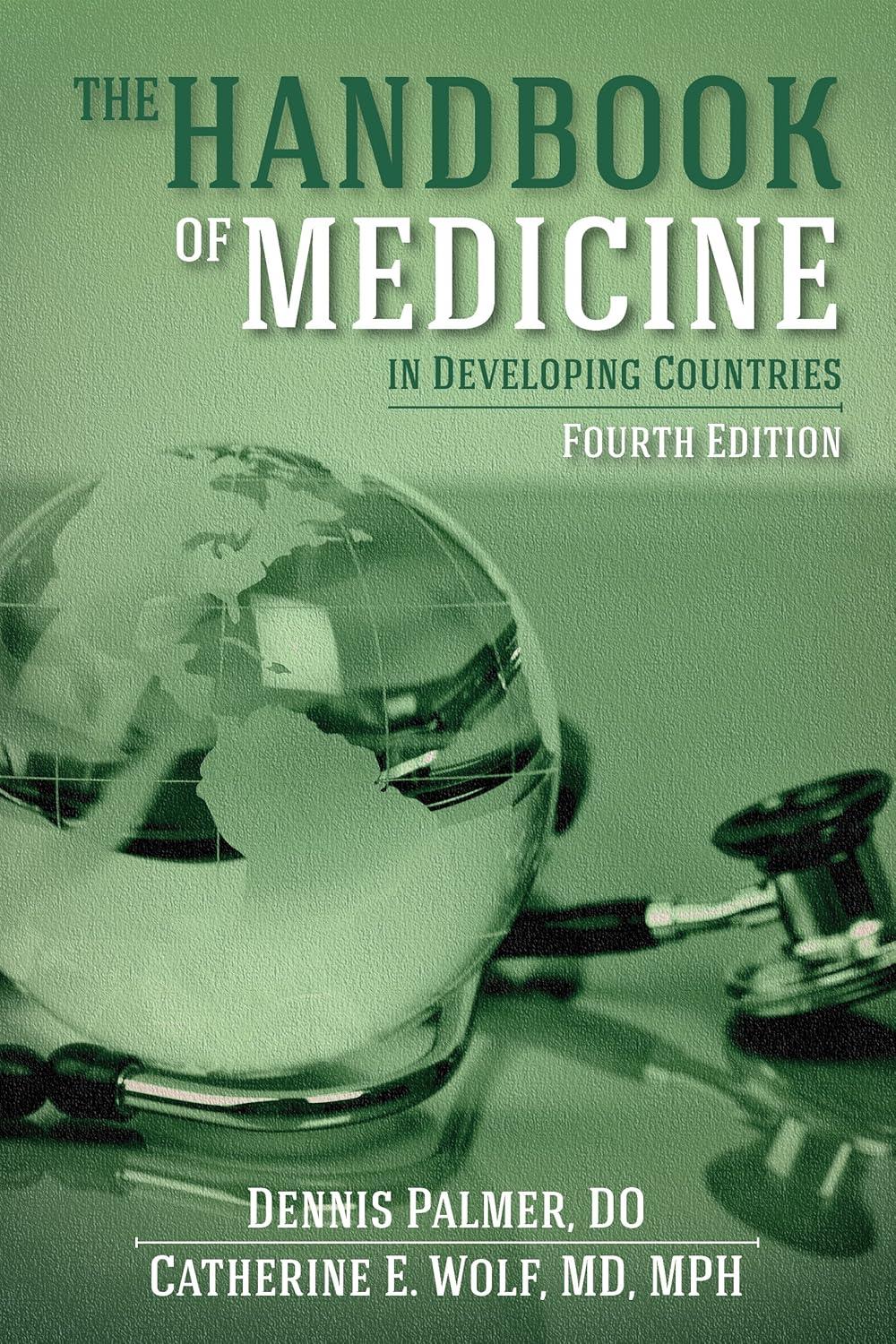
in the vast tapestry of global health, providing care in developing countries presents unique challenges that can leave even the moast seasoned practitioners feeling uncertain. We’ve all heard stories or perhaps even experienced firsthand the complexities of tropical diseases and the resource-limited environments in which thay flourish. That’s where the handbook of Medicine in Developing Countries comes into play-a lifeline for healthcare professionals venturing into uncharted territories.
In this post,we’ll embark on a journey through the pages of this indispensable resource,exploring its profound relevance and utility for anyone involved in international health initiatives. From diagnosing leprosy to treating malaria in expectant mothers, this handbook serves as our trusted companion. With contributions from leading specialists,it is designed to bridge the gap in knowledge that many of us feel when we leave the familiar confines of Western medicine.
As we flip through its informative pages, we’ll uncover not just clinical guidance, but also a roadmap to compassionate care for those who need it most. Whether you’re preparing for a mission trip or broadening yoru horizons in the realm of global health, the Handbook of Medicine in Developing Countries is a vital tool in our medical toolkit. Join us as we dissect this remarkable book and highlight why it deserves a spot in every healthcare professional’s travel bag.
Table of Contents
Exploring the Rich Insights of the Handbook of Medicine in Developing Countries

, we find an essential tool that caters to healthcare professionals venturing into challenging environments. This resource is tailored for everyone, from students to seasoned practitioners, ready to navigate the complexities of medicine in areas where resources are scarce. the book highlights unique diseases such as leprosy, dengue fever, and malaria, and offers practical treatment protocols that aren’t typically part of standard training in more developed countries. We really appreciate how the Handbook serves as a fast reference during unpredictable medical missions. Finding it in our travel bags has become a necessity, especially since healthcare can be vastly different in developing regions.
The content within the pages of this handbook ensures we are equipped with vital information to tackle the unexpected. The inclusion of topics that range from obstetrics to pediatrics, and also complex cases like leishmaniasis and emerging tropical infections, is a testament to the breadth of knowledge it offers. We can’t ignore the importance of the dosing tables and medication recommendations, which are crucial when we frequently enough face limited options in remote locations. Having practical guidance that aligns with our real-world experiences makes this handbook a reliable companion on our trips, allowing us to adapt and respond effectively to patient needs.
Moreover, our field experience in tropical climates has confirmed the utility of this manual. We’ve frequently enough relied on its insights during times where we needed to be resourceful and innovative with our clinical decisions. While it might not dive deeply into each subject, it touches upon the essentials we must understand, and at the same time, it reminds us of things we might have learned in training but have since forgotten. This kind of refresher is crucial in environments where every detail can make a significant difference in patient care.
We also recognize that, though some might perceive minor typographical errors, these do not overshadow the invaluable information contained in the Handbook. It’s about the wealth of knowledge that empowers us to provide compassionate care where it’s desperately needed. Whether we’re preparing for a mission trip to Africa or working in another austere setting,having this manual at our side has proven to be worth its weight in gold.
we wholeheartedly recommend the Handbook of Medicine in developing Countries. Its practical approach makes it an unmatched resource for anyone involved in international medical work. Not only does it equip us with the necessary tools and information,but it also fosters a mindset of adaptability and creativity vital for succeeding in the healthcare landscape of developing nations. If you’re planning to work overseas, consider having this essential reference nearby.It has certainly earned its place in our book box. For the best value, Buy Now on Amazon and make this manual a part of your medical arsenal.
Unpacking Key Features That Set This Handbook Apart
When we think about the Handbook of Medicine in Developing Countries, what instantly grabs our attention is its breadth of valuable information. This isn’t just another medical manual; it’s a guide carved out for healthcare professionals who find themselves in the trenches of underserved areas. from dealing with diseases you rarely encounter back home to addressing unique environmental challenges, this text has it all covered. It balances comprehensive coverage of common issues while making it easy for anyone to navigate and utilize both in the field and at home.
The layout is another aspect that sets it apart. The book is organized in a way that allows us to quickly find the information we need, even when under pressure. Sections are devoted to various situations we might face, such as treating parasitic infections or understanding community health practices. This is super essential. We all know that time is of the essence when dealing with patients. If we can quickly flip to the relevant section to find answers, we’re serving our patients better. The real-world submission makes it incredibly practical and user-kind.
Moreover, the details provide vital insights into conditions and treatments that may not be covered broadly in other medical texts.It features useful images and charts that aid in diagnosis, helping us visually connect symptoms to potential diseases. For those of us who have done medical work overseas, it’s refreshing to have a resource that speaks to the everyday realities of practicing medicine in developing countries, where different pathogens thrive and medical resources can be scant. That real-world focus ensures it remains relevant and indispensable.
Lastly, the latest edition offers a wealth of practical treatment recommendations. It’s not just theory; it’s actionable insights designed to guide us through the complexities of third-world healthcare. We can count on this handbook to refresh our memories on essential medical topics that we might not frequently encounter. The combination of robust data and straightforward presentation ultimately builds our confidence as we work in some of the most challenging environments-this book is undoubtedly a staple for our toolkit.
Navigating Through Essential Topics and Real-World Applications
We’ve all been there-standing in a makeshift clinic halfway around the world, scratching our heads over how to treat a condition we didn’t learn about in medical school.The “Handbook of Medicine in Developing Countries” truly shines in these scenarios. It’s packed with essential topics that address the unique challenges we face in resource-limited settings. From common ailments like malaria and leprosy to more complex issues such as tropical diseases, it’s like having a seasoned mentor silently guiding us through our medical quests.
What really sets this book apart is its emphasis on practical, real-world applications. The contributors have spent years working in the field, which means they know what we need when the stakes are high. It isn’t just about theory; it’s about tackling real patient scenarios. whether we’re managing a pregnant woman with malaria or diagnosing dengue fever, the guidance provided is straightforward and actionable, making it a well-structured reference for both seasoned practitioners and those new to international medical work.
Navigating medical emergencies in developing countries isn’t straightforward, but this handbook makes it easier. We appreciate the clear, concise layout that allows us to quickly find vital information when every moment counts. With diagrams, treatment recommendations, and key points presented visually, the book feels intuitive.This accessibility means that even if we encounter a situation we’re not familiar with, we can pivot and adapt our approach with confidence, quickly referencing the correct treatment protocols.
Equally, the nuances of tropical medicine are covered without overwhelming us with needless jargon. It highlights the specific diseases we’re likely to encounter while traveling, along with effective management strategies. This is incredibly helpful; we can prepare ourselves ahead of our missions, equipping us with knowledge before we even land. Familiarizing ourselves with these conditions ensures we’re not just medically literate but also culturally competent, which is vital for providing empathetic care.
In short, the “Handbook of Medicine in Developing Countries” is more than just a book. It’s our trusty companion, a tool that opens the door to understanding healthcare in environments that demand adaptation and innovative thinking. Its focus on essential, real-world applications ensures that when we encounter the unexpected, we have the knowledge to make a difference. Whether it’s for preparing for our next mission trip or simply enhancing our existing medical knowledge, it’s a resource we can’t afford to travel without.
Gaining Invaluable Insights for Healthcare Professionals
The Handbook of Medicine in Developing Countries offers invaluable insights for healthcare professionals venturing into less privileged healthcare systems. We’ve all seen how healthcare can transform lives, especially when resources are limited. This handbook serves as an essential guide for anyone heading into environments where standard medical supplies might not be available. We can trust its comprehensive information, which is critical for tackling the unique challenges faced in developing nations, such as tropical diseases and limited medical infrastructure.
From our experience, this resource excels in providing actionable knowledge. It covers a wide array of topics, from diagnosing common ailments to advanced treatment protocols specific to less blessed regions. Thanks to contributions from leading specialists, we find insights that not only enhance our medical expertise but also bolster our confidence. We appreciate that it’s structured for easy navigation, making it straightforward to find the information we need on the go, especially during mission trips when every second counts.
Moreover, the manual highlights aspects of care that we may overlook.Topics such as psychiatry,obstetrics,and pediatric care are included,giving us a well-rounded viewpoint on health challenges in these settings. We love that it delves into lesser-discussed areas, like parasitic and fungal infections prevalent in the tropics. When we refer to this book, we’re not just reading about diseases; we’re preparing ourselves to make real, impactful medical decisions under pressure. Its real-world application resonates with us, as it frequently enough inspires new approaches when facing unique challenges.
One of the best parts about the Handbook of medicine in Developing Countries is its practicality. the illustrations and photographs facilitate effective diagnosis, aiding in our understanding of clinical presentations we may not encounter in our everyday practice. We respect that it confronts the realities of healthcare delivery where flexibility and creativity are necessary for success. this guide is an essential companion, offering knowledge and reassurance wherever our medical journey takes us.
In a nutshell, the insights we gain from this manual are unmatched. Whether we’re seasoned professionals or just starting our journey, it reinforces our commitment to deliver competent and compassionate care. So, if you’re preparing for a mission trip or planning to work in an austere environment, this handbook is a must-have. Don’t hesitate to grab your copy and immerse yourself in the world of healthcare where it’s needed most.
Ready to explore further? Check the current pricing below:

- Amazon Kindle Edition
Our recommendations for Maximizing the Use of This Handbook
When diving into the *Handbook of Medicine in Developing Countries*, we recommend approaching it as not just a reference, but as a comprehensive guide. This handbook offers a wealth of knowledge essential for anyone venturing into challenging medical environments. We suggest starting with a thorough read of the introduction and the sections relevant to your anticipated conditions. Familiarity with these topics can make a significant difference in emergencies where quick decision-making is crucial.
Next, let’s utilize the book’s layout to our advantage. The handbook is organized by diseases and conditions, making it easy to locate specific information quickly. We advise marking essential pages with post-it notes or tabs, especially for common ailments like malaria or Dengue Fever. Using these markers will help us in those critical moments when we need information fast. Don’t forget to take notes in the margins as we learn-the more we engage with the material, the better we’ll remember it when faced with real-life scenarios.
Another tip is to use the included dosing tables frequently. As we work in low-resource settings, these tables are invaluable for quick reference and ensuring we administer the correct medications. As the book is tailored for those working in developing countries, you’ll find guidance on treatments that may differ from what we learn in conventional medical training. Embrace the innovative approaches suggested in the manual; they can frequently enough lead to creative solutions when standard resources aren’t available.
Lastly, keep the handbook handy not only while working but also during planning for our missions. Browsing through it before embarking on trips can enhance our understanding of the diseases we’re likely to encounter, helping us provide better care. Engaging with peers, discussing insights from the book, and sharing experiences with others using it can substantially enhance our own learning and confidence in the field.
Customer Reviews Analysis
Customer Reviews Analysis
In reviewing the feedback from users of the Handbook of Medicine in Developing Countries,we find a pattern reflecting the book’s importance and effectiveness as a medical resource. The additional insights provided by our customers paint a comprehensive picture of its utilities, strengths, and minor limitations.
Overall Sentiment
The sentiments expressed in the reviews are overwhelmingly positive. Users repeatedly highlight the book’s practical applications in austere environments,making it a valued asset in their medical missions and practices. Many users affirm their longstanding relationship with the text,often describing how it has been a constant companion in their challenging medical work overseas.
Key Strengths
- Comprehensive Coverage: Reviewers appreciate the extensive range of topics covered, from common diseases to specialized care in tropical climates.
- Practical Utility: Users emphasize the practical knowledge and innovative approaches they have gained, which are notably useful in resource-limited settings.
- User-Friendly: Many mention the text’s ease of navigation, enhancing its utility as a quick reference during critical situations.
- Visual Aids: The inclusion of photographs is highlighted as a significant benefit for diagnosis and treatment.
Areas for Advancement
- Typos: A few users noted the presence of typos throughout the text, though they agreed that these do not detract significantly from the overall quality.
- Trauma Care content: Some reviewers wished for more detailed sections on trauma care, suggesting the need for supplementary resources alongside this manual.
Customer Highlights
To further distill the insights from our users, we’ve compiled a table that showcases their core thoughts:
| Reviewer Background | Appreciated Features | Suggested Improvements |
|---|---|---|
| Former Paramedic & Medical Missionary | Comprehensive coverage; Practical utility | More detailed trauma care |
| Expedition Medic | Strong sections on parasites; Dosing tables | Expand on trauma protocols |
| Nurse Practitioner | Easy navigation; Visual aids | address typos |
| Long-term Overseas Worker | Valuable and unique content | None mentioned |
We believe that this book serves as an essential tool for anyone involved in medical work in developing countries. Whether you are a seasoned professional or new to the field, the positive feedback we’ve examined reinforces the notion that the Handbook of Medicine in Developing Countries is more than just a reference-it’s a lifeline in diverse medical environments.
Pros & Cons
Pros & Cons of the Handbook of Medicine in Developing Countries
As we delve into the Handbook of Medicine in developing Countries, it’s essential to weigh its pros and cons. This comprehensive guide is packed with valuable information tailored for those working in less-resourced settings. Let’s explore what makes this book a must-have and where it may fall short.
| Pros | Cons |
|---|---|
| Wide Coverage of Diseases: This handbook addresses a plethora of conditions prevalent in developing countries, from leprosy to malaria, making it an excellent reference for various scenarios. |
Limited Availability: While the content is rich, the book may not always be readily available in local bookstores or libraries, especially in remote areas. |
| Up-to-date treatment Recommendations: Contributors include some of the leading specialists, ensuring the recommendations reflect current practices and research. |
Print Length: At 631 pages, the size can be cumbersome to carry around during fieldwork or international travel, depending on personal preferences. |
| User-Friendly Format: The book is designed for ease of use, allowing healthcare professionals to quickly identify symptoms and treatment plans. |
Target Audience Limitations: Even though the content is valuable, it might potentially be too focused on certain demographics of healthcare workers, excluding those working in more urban or well-resourced areas. |
| Educational Asset: Perfect for students and professionals alike,this handbook provides crucial knowledge for those seeking to enhance their understanding of global health challenges. |
Digital Compatibility: Some users may prefer digital formats but could face limitations due to issues like unsupported features on e-readers. |
while the Handbook of Medicine in Developing Countries boasts significant strengths in providing up-to-date, relevant information for tackling medical challenges in resource-limited settings, we must also recognize some of its limitations. Ultimately, it serves as a vital resource for those committed to making a difference in global health.
Q&A
Q&A Section for “”
Q1: Who should consider using the “Handbook of Medicine in Developing Countries”?
A: We believe this book is essential for anyone in the healthcare field, whether you’re a student, a resident, or a seasoned professional. If you’re planning to work overseas, particularly in under-resourced areas, this handbook equips you with the crucial knowledge and tools to face the unique medical challenges these environments present.
Q2: How user-friendly is the “Handbook of Medicine in Developing Countries”?
A: One of the standout features of this handbook is its accessibility. We appreciate that it has been designed for easy navigation, allowing us to quickly locate information on various diseases, symptoms, and treatment protocols. The enhanced typesetting further contributes to its readability, making it an ideal reference even in high-pressure situations.
Q3: What kind of medical conditions does the handbook cover?
A: The handbook encompasses a broad spectrum of conditions common in developing contexts. From treating leprosy and malaria to managing dengue fever and leishmaniasis, we find that it provides thorough descriptions and treatment options for a variety of infectious diseases. This makes it a vital resource for our mission trips or any international healthcare work.
Q4: Is the information in the handbook up-to-date and reliable?
A: Yes, we feel confident in the reliability of the information presented. Its contributions come from expert specialists in the field, and it offers the latest treatment recommendations. The fourth edition, published in 2014, continues to reflect current best practices, making it relevant for our needs.
Q5: How can this handbook support healthcare professionals during missions?
A: we see it as an indispensable tool that not only helps us identify and treat ailments effectively but also enhances our ability to provide compassionate care. The quick-reference design allows us to access vital information promptly, ensuring we can make informed decisions-even in resource-limited settings.
Q6: Is this handbook suitable for casual readers or only healthcare professionals?
A: While the handbook is targeted at healthcare professionals, we think that anyone interested in understanding global health challenges could benefit from it. Its insights into diseases prevalent in developing countries could enrich our knowledge about international health issues,even if we aren’t practicing medicine ourselves.
Q7: how should we carry the handbook during our travels?
A: Given its dimensions, we recommend packing it in your luggage or a backpack where it can stay accessible. For those who prefer a digital format, the Kindle version is an excellent option-it allows us to have the book on our devices without adding significant weight.
Q8: What are users generally saying about the handbook?
A: Based on customer reviews, we see a consistent theme of high praise. Users frequently mention its practicality and comprehensive content, with an average rating of 4.8 stars. It’s reassuring to know that many healthcare professionals share our view of its value in global health settings.
This dynamic Q&A should help guide potential readers in understanding the importance and utility of the “Handbook of Medicine in Developing Countries” in their healthcare endeavors.
Ignite Your Passion
As we wrap up our exploration of the “Handbook of Medicine in Developing Countries,” it’s clear that this invaluable resource holds a pivotal place in the toolkit of any healthcare professional dedicated to serving communities where access to medical knowledge and resources is limited. From addressing multifaceted diseases to offering essential treatment protocols,it empowers us with the confidence to confront the unique challenges we encounter in our practice.
For anyone planning to work in developing regions, this handbook not only serves as a roadmap through complex medical landscapes but also fosters a compassionate approach to care, ensuring that we make a lasting impact on those who need it most.
We wholeheartedly recommend incorporating this authoritative reference into your library, whether you’re a budding medical student embarking on your journey or a seasoned professional eager to refresh your knowledge. Let’s take our commitment to global health a step further by equipping ourselves with the right tools.
To enhance your capability and compassion in providing healthcare, consider adding the “Handbook of Medicine in Developing Countries” to your collection today. Click the link below to secure your copy: