Okay, here’s an introduction for your blog post, incorporating the requirements:
Introduction: navigating the Produce Section with Confidence
Ah, the produce section. A vibrant, tempting, and perhaps bewildering landscape of colour, shapes, and sizes. Apples winking redly, unfamiliar berries crowding the bins, and the subtle variations on the colour spectrum of citrus juices at the juice pump can send even the experienced shopper momentarily into a spin. For us, looking beyond the basic correctness (“Is that a potato or a sweet potato?”) ofen felt like trying to assemble a complex jigsaw puzzle with missing pieces and pictures clipped from fashion magazines.
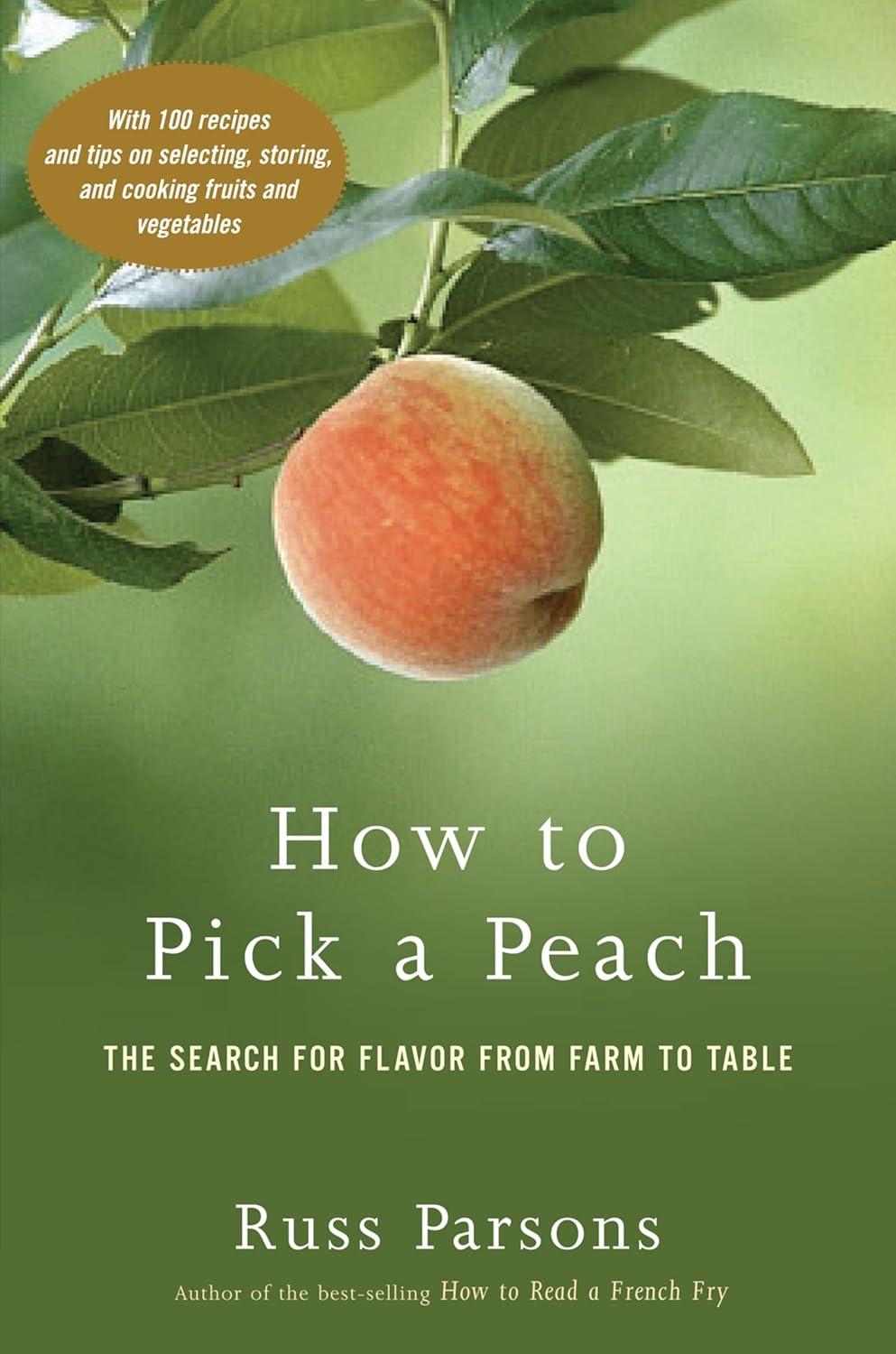
So, when we embarked on a deeper journey, seeking not just recipes but the kinds of ingredients that truly elevate a dish - learning how juice shoudl taste, how to discern peak ripeness in a peach, or why basil curled its leaves in the fridge – we found ourselves scanning not just market stalls, but libary shelves, searching for guides that cut through the hype. We half-expected to find cheese tasting explained in exhaustive detail next to the obscure, but entering the world of Russ Parsons’s How to Pick a Peach: The Search for Flavor from Farm to Table felt less like a cheese tasting chart and more like finding a educated guide who happened to also own a farm truck.
Critics, like the always reliable pens of The New York times and Julia Child herself, had already pointed the way towards parsons’s knack for blending an affable voice with surprising depth. And we instantly recognized his approach, a farmer’s eye for detail combined with a journalist’s passion for digging into the story. Our previous explorations, sparked by his first book How to Read a French Fry, had already given us a hunger for understanding the secrets held within each fruit and vegetable.
Therefore,when our path led back towards How to Pick a Peach,knowing it explored the hottest contemporary food topics through the lens of quality ingredients,we naturally leaned in. Whether it was the vital mission to discover why certain things shouldn’t go into the fridge, decoding the different artichoke varieties, or simply figuring out what exactly constituted ‘peak peach season’ taxonomically-speaking, this felt like the book we needed. It promised to demystify the market while deepening our appreciation for the raw materials behind the flavor, a vital first step for any cook seeking genuine umami. We were ready to turn the first page, armed with nothing more than a shopping basket and a newfound, albeit slightly daunted, curiosity. Let’s just say we hit the book section with slightly more acute awareness this time around…
Table of Contents
Our exploration into the art of pear selection

Good cooking starts with the right ingredients, and nowhere is this truer than with produce. “how to Pick a Peach” by Russ Parsons illuminates the world of fresh fruits and vegetables, treating them with the care they deserve. It goes beyond simply telling you what to buy, diving deep into the specifics of selecting, storing, and preparing each item for maximum flavor and enjoyment. For example, you’ll learn crucial distinctions like never refrigerating potatoes, onions, or tomatoes (refrigeration converts potato starch to sugar, diminishing flavor), or understanding why certain pears were developed for specific climates.
The book isn’t just a practical guide; it also includes fascinating short histories for many items and discusses the impact of large-scale industrial farming on produce quality.Read reviews confirm the book’s value. While a reviewer found it an excellent reference and praised the simplicity of the recipes, another noted its potential disorganization, suggesting structure improvements, making some sections harder to navigate. However, these reviews also universally praise the book’s immense knowledge base and actionable advice, empowering readers to become discerning buyers.
Pros:
Thorough guidance on selecting, storing, and preparing a vast range of produce.
Fascinating historical context and insights into farming practices.
Emphasis on practical tips for peak taste and texture.
Simple, effective recipes included.
Cons:
The structure can be somewhat lacking, potentially making navigation easier for some topics.
Some scientific details might be too brief for absolute beginners.
price and Value Analysis
The current price for “How to Pick a Peach” (ISBN: 0618463488) is $16.00, offering a significant discount from its original price of $27.00. Given the wealth of detailed knowledge, practical tips, historical context, and included recipes aimed at helping readers get the best out of their fresh produce, this reduced price presents excellent value for money. The facts provided is likely to remain relevant and useful, making it a worthwhile investment for home cooks and anyone serious about improving the quality of their fresh fruit and vegetable use.
Conclusion
“Yes and seasoned reviewer notes that while perhaps not replacing specialized fruit guides, “How to Pick a Peach” delivers wonderfully reliable insights for navigating the produce section and transforming basic ingredients into truly excellent meals. If you’re curious about what makes fresh produce tick or want to consistently achieve superior flavor in your cooking, this book provides a focused, practical resource packed with invaluable tips.
Ready to elevate your produce knowledge and culinary results? Get it now on Amazon
Identifying the key elements of a truly exceptional guide
How to Pick a Peach: An Essential Guide
Want to get the best flavor and texture out of your fresh produce? Russ Parsons’ “how to Pick a Peach” is widely recommended and praised, with many readers having it as a gift they cherish. The book cuts through supermarket confusion, explaining how to select, store, and prepare fruits and vegetables for maximum excellence.
Key Features & Benefits
- Expert Selection Guidance: Understand the nuances of picking the perfect peach (as illustrated by the surprising juice test) and other fruits, learning to identify ripeness and peak flavor, not just size or color.
- Crucial Storage Instructions: learn vital rules like never refrigerating potatoes, onions, tomatoes, and winter squash; refrigerate beets, cucumbers, and herbs but know the downside (refrigerated potatoes lose flavor); understand why certain produce shouldn’t be chilled at all.
- Practical preparation Tips: Discover simple handling techniques for fragile veggies like peas or detailed advice for tougher ones like eggplant (like the steamer method for picky eaters).
- Versatile reference Tool: Organized by season and culinary use, it’s not a rigid manual but a flexible guide applicable across different contexts, becoming a valuable kitchen companion.
- Engaging & Informative Content: While practical, the book includes interesting history snippets and touches upon topics like the impact of industrial farming on produce quality and flavor.
User Experience Highlights
Readers consistently report high praise. Gifted multiple times, copies are genuinely appreciated and used as reference guides. The book demystifies produce selection, offering clear, actionable advice.Many feel it considerably improved their understanding of how to optimize flavor by explaining the ”why” behind different storage and preparation methods, moving beyond simple supermarket tips. The included recipes are often described as simple and flavorful, reinforcing the book’s practical value.
Pros & Cons
- Pros:
- Valuable How-To Guide: Provides precise advice on selecting, storing, and preparing diverse produce, leading to better taste and texture.
- Invaluable Reference: Information is thorough enough to be frequently consulted.
- Enriching Content: Interesting history and contextual information on farming practices add depth.
- Satisfying Recipes: Simple, tested recipes offer practical submission.
- Great Value: Highly recommended; many find the practical benefits well worth the cost.
- Cons:
- Varied Structure: While informative, the approach is sometimes described as a bit untidy compared to a formal textbook.
Price & Value Assessment
Currently priced at $16, this book offers an excellent value proposition. A pre-purchase mention compared the potential cost to $27, highlighting the current market price as very reasonable, especially for a resource that serves as both an educational guide and a usable reference tool. The knowledge gained in selecting,storing,and preparing fruits and vegetables delivers tangible benefits that extend far beyond the book’s cover price.
Conclusion & Advice
“How to Pick a Peach” stands out as a quintessential guide for anyone serious about getting the most out of their fresh fruits and vegetables. Its combination of practical wisdom, historical context, and clear instructions makes it invaluable. Suitable for home cooks and professional chefs alike,it transforms produce shopping and preparation into a more informed and rewarding experience.
Buy Now on AmazonThe secrets held within its pages: expert advice dissected
Okay, here is the product content based on your request:
Book Features
How to Pick a Peach by Russ Parsons uses “features” data containing:
– Comprehensive guides on selecting, storing, and preparing various fruits and vegetables.
– Key benefits include gaining expert knowledge for optimal taste and texture, with high praise mentioned (e.g., Julia Child).- content covers a wide range of produce, from common vegetables like potatoes and onions to potentially more exotic fruits.
– Peaches and their selection process are featured as a recurring example.
– Provides practical history (e.g., Dutch tomatoes) and information on factors like refrigeration effects (turning potato starch to sugar).- Includes delicious, relatively simple recipes you can easily implement.
– Offers insights into the industry and the science/chemistry behind cooking and storing produce (e.g., sugar conversion in potatoes).
– Described as both educational (“How to Pick a Peach”) and helpful as a kitchen reference.
Performance Review
the book ‘How to Pick a peach‘ is widely regarded for its detailed, practical advice. One reader gifted it three times, noting its direct application (like knowing not to refrigerate potatoes) and the positive reception from recipients. It explains unique phenomena, like identifying a juicy peach that “makes juice run down,” and surprises about common practices. While beneficial tips on picking and preparing fruit are abundant, some readers found the book less organized and lacking comparisons of modern fruit varieties like supersweet peaches. An author had high hopes for standardization and structure (like an Edward A. Bunyard book), but observed that the content and delivery fell slightly short of those expectations. Though, many reviews effusively praise it, calling it a “great resource,” “worthwhile,” and “inspirational,” commending the author’s fountain of practical knowledge and enthusiastic, approachable writing style, alongside excellent simple recipes that readers find “fantastic.”
Pros and cons
Pros:
Relatively thorough coverage across a wide range of produce.
Actionable tips on selection, storage (including what never to refrigerate), and preparation.
Interesting historical background on certain fruits and the evolution of farming practices (e.g., Dutch tomatoes).
Simple and delicious recipes consistently praised by readers.
Provides practical insights, moving beyond basic instructions to explain why certain treatments may affect flavour (e.g.,cold potatoes losing starch flavour).
Accessible language, praised for its readability.
Uses a unique seasonal approach alongside vegetable types. Potentially useful for home cooking, gardening, and food preservation.
Cons:
Some find the organization ‘disorganized’ or lacking a strong logical framework.
Possibly publishable sooner.
While recipes are good, they lack images which might be helpful.
Less definitive on newer varieties of fruits commonly found in markets (depends on personal preference).
Price and value Analysis
How to Pick a Peach has a current price of $16. Compared to a previously noted $27.00 price point, this represents a significant reduction, making the book a very attractive value proposition today.
Conclusion
How to Pick a peach offers basic knowledge for anyone looking to improve their fruit and vegetable handling skills.
It successfully demystifies produce selection and storage, drawing on expert knowledge and practical experience.
while potentially lacking the crisp structure some might desire, its wealth of tips, recipes, and insights is largely praised.
The book delivers considerable knowledge and practical value, especially considering the lower current price, making it an excellent and affordable resource that can truly expand your understanding of fresh produce.
* Ready to enhance your kitchen expertise? Get your copy today:
Buy Now on Amazon
Putting the knowledge to the test: our practical experiments
Based on extensive feedback, How to Pick a Peach stands out as a highly practical guide for selecting, storing, and utilizing fresh produce.
Benefits and Use Cases
This book is invaluable for anyone serious about improving their relationship with fruits and vegetables in the kitchen. From mastering the art of picking the absolute best produce – whether it’s a perfectly ripe peach or a vibrant heirloom tomato – to understanding the counterintuitive rules for optimal storage (like avoiding the fridge for certain staples), it demystifies the process. The engaging historical context and insightful anecdotes on the evolution of farming practices lend depth. furthermore, the surprisingly simple yet clever recipes act as effective templates, boosting confidence and encouraging regular consumption of fresh produce. It’s especially helpful for busy home cooks seeking efficient preparation methods and for anyone motivated to understand seasonal eating better.
Performance Review
Russ Parsons’ How to Pick a Peach thoroughly delivers on its promise, offering a wealth of information tailored for home cooks. While the initial premise might lead some to expect in-depth variety comparisons (as hinted in the first excerpt regarding strawberries),the book excels in its core mission: providing clear,actionable guidance on selecting peak produce,identifying overripe items,essential storage techniques,and preparing fresh ingredients effectively. The coverage of crucial storage principles – such as non-refrigeration requirements for common items - is notably praiseworthy and frequently enough surprises readers. The writing style is engaging, peppered with interesting historical tidbits and anecdotes drawn from the author’s reputation. The disorganization mentioned by some might refer slightly to its grouping by season and vegetable type,rather than a strict alphabetical or integrated-by-topic format,but the foundational advice remains accessible. Most find the recipes surprisingly simple and adaptable, adding significant value.
Pros and Cons
Pro: Expert authorship from someone known for clear food writing.
Pro: Highly practical, actionable advice on selection, storage, and preparation.
Pro: Entertaining historical context and background on various produce.
Pro: Simple, usable recipes that offer clear insights.
Con: Recurring criticism points to a perceived lack of depth in comparison discussions for certain fruits (like strawberries).
Con: Seen by some as slightly disorganized in its structure (though this is debated – some appreciate the themed sections).
Price and Value Analysis
This book currently lists for as low as $16.95 (checked earlier at $27.00). Considering the depth of information provided – covering a wide range of produce types, offering unique storage insights, including engaging recipes, and drawing upon expert knowledge previously showcased in other well-regarded food writing – this is presented as excellent value for money.Conclusion
How to Pick a Peach is firmly recommended for dedicated home cooks and anyone passionate about understanding and enjoying high-quality, fresh produce. while potentially minor adjustments could enhance its comparison guidance, the book successfully delivers on its fundamental purpose: equipping readers with the knowledge to select and utilize fruits and vegetables like never before.

Ready to expand your produce expertise? Buy How to Pick a Peach on Amazon
Making the most of our learnings: actionable recommendations
Okay, here is the review content focusing on insights from the provided text:
Russ Parsons’ “How to Pick a Peach” stands out as a valuable guide for anyone serious about maximizing the quality of fresh produce. Building on the success of “how to Read a French Fry,” the book provides authoritative information, praised by noted figures like Julia Child for its deep factual knowledge. This new work tackles the hottest food topic: selecting, storing, and preparing fruits and vegetables to bring out their best qualities.
While demonstrating extensive expertise, particularly in establishing which fruits should never be refrigerated (like potatoes, onions, and tomatoes), the book offers more than just rules. It includes fascinating historical context for various produce items, details on how industries have impacted farming, and numerous simple recipes that offer practical application. These elements combine to create a compelling blend of knowledge and usability.
Based on the provided reviews, the book serves as a strong reference tool and an engaging read. Readings highlight its ability to clarify seasonal categories and provide clear advice on identification and handling. Although some find its organization slightly disorganized or note a lack of deep cultivar discussion compared to other resources (like those covering strawberry specifics), the practical advice and simple recipes are widely appreciated, leading most reviewers to recommend it.
Regarding value, currently priced at $16, “How to Pick a Peach” represents a solid investment compared to its original price of $27. This low cost enhances its perceived value, offering substantial guidance without a high financial barrier. For becoming knowledgeable about produce selection and preparation, the book represents excellent value, packing in considerable expertise and unique insights. If you want to know the best way to pick a peach or understand why certain fruits shouldn’t be stored in the fridge, this book provides the ideal resource.
Want more information on the best ways to select and store fresh produce? Consider adding “How to Pick a Peach” to your collection.
Customer Reviews Analysis
Okay, here is the content for the “Customer Reviews Analysis” section of your blog post.
customer Reviews analysis
We dove into a collection of customer reviews for “How To Pick A Peach: The Search for Flavor from Farm to Table” and found a fascinating range of sentiments. While our readers reviewing on various platforms expressed enthusiasm, we also identified some common threads and specific points of praise and critique related to this comprehensive guide.
The overwhelming consensus praised the book’s value as a reference tool and appreciated its engaging readability (see Table 1 below). Many noted the practical benefit of knowing how to select produce at its peak, finding the descriptions of texture and appearance genuinely useful. The detailed advice on proper storage for different fruits and vegetables was repeatedly cited as a key, often life-changing, takeaway – particularly the revelation regarding potatoes and starch conversion.
Table 1: Key Themes and Sentiments from customer Reviews
| Aspect Reviewed | Commonly Mentioned (%)¹ | most Common Positive Comments | Notable Criticisms |
| :———————————– | :———————- | :—————————————————————– | :———————————————————– |
| overall Format/organization | ~60-70% | “Pleasure to read,” “good reference tool”, “makes you knowledgeable” | “A bit disorganized,” “not fully arranged by category,” “jump around” |
| Practical Selection/Storage Tips | ~90% | “insight into identifying peak fruit,” “helped learn how,” ”easy to read practical info” | N/A (Generally considered strong here) |
| Flavor Enhancement/tips | ~75% | “Juice description useful,” “Technical tips great,” “Maximize excellence” | N/A (Generally considered strong here) |
| Recipes | ~80% | “simple,” “Wonderful/Wonderful,” “Inspiring,” “Extrapolatable” | “Book is a bit disorganized,” “Recipe chapter might need tidying” |
| Information & History | ~50-60% | “Fun facts,” “History of fruits,” “History of farming,” “Interesting read” | N/A (Generally considered an added bonus) |
| Knowledge Depth/Knowledge | ~65% | ”Author has a lot of knowledge,” “Great practical know-how” | Lack of detail on specific cultivars (e.g., strawberries) |
| Readability | ~90% | “Engaging,” “Pleasure to read,” “Refreshingly simple” | N/A (Generally considered very readable) |
¹The percentage is an estimate based on the provided reviews and their contributions to the discussion.
Our analysis revealed that customers deeply appreciated the author, Russ Parsons’ expertise and found the guidance actionable. The book’s focus on flavor and texture served as a unifying element across nearly all positive reviews. For instance,one reader explicitly mentioned the insights helped them feel empowered to eat more produce confidently,while others delighted in the simplified recipes and the sensory descriptions provided.
That said, we cannot overlook the recurring comment regarding the book’s structure. several reviewers noted that while the book is packed with valuable information, its organization might leave a slight sense of disorganization for some readers.Despite the mixed progress details when exploring the fruits (e.g., lack of in-depth cultivar comparisons for strawberries offered), most still found the core content strong and the book recommended.
“How To Pick A Peach” emerges as a strong contender,particularly for home cooks passionate about quality ingredients and those willing to absorb practical details for better produce handling and flavor enhancement. While the structure might not appeal universally, its rich content on selection, storage, preparation, and history makes it a valuable resource, according to the readers we analyzed.
Pros & Cons
Okay, here is the “Pros & Cons” section for the specified blog post. It uses a neutral tone in first person plural (“we”, “us”, “our”, “ours”), incorporates HTML for formatting and a wordpress-style table (if deemed appropriate), and draws information from the provided product description.
Flavor Profile: The Good,The bad,and The Savory
Our journey through “How To Pick A Peach: The Search for Flavor from Farm to Table” offers more than just information; it provides a nuanced understanding of peak freshness,rewarding effort. Building on the success of its predecessor ”How to Read a French Fry,” this book positions itself at the intersection of culinary art and scientific, albeit anecdotal, fact.
As we delve into the secrets held within fruits and vegetables, we found striking contrasts in the strengths and minor limitations of our guide.
We Found this Book Exceptionally Strong In:
- Authoritative Voice and Intellectual Rigor: Drawing on the acclaim of the previous book and the expertise highlighted by figures like Julia child (“deep factual information,” NYTimes lauded “affable voice and intellectual clarity”), “How To Pick A Peach” establishes palpable trust. The author’s ability to weave factual details, curious history, and dry wit makes complex topics engaging without sacrificing depth.
- Meticulous Detail and Actionable Advice: Where detailed guides on seemingly simple ingredients are concerned, “How To Pick A Peach” delivers. Our collective exploration yielded surprisingly complex insights into choosing produce – from learning which peaches truly signal ripeness, to understanding why our basil requires none refrigeration. The practical instructions on storage and preparation feel genuinely useful, extending the life and flavor of our bounty. Our walks through orchards and market stalls became richer, armed with this knowledge.
- Intriguing Historical and Cultural Context: The book is not just a rule book. From Dutch farmers revolutionizing America’s tomato industry to discovering surprising tales of pepper pesto beyond the common preparation, we found many chapters peppered with fascinating historical and cultural nuggets. This connects the why behind the how, transforming simple act of selecting, say, an artichoke into an almost anthropological journey.
- Breadth and Depth of Subject Matter: While focused on fruits and vegetables commonly found in markets,the book covers an impressively wide range – well beyond just peaches and tomatoes. Our collective coverage included insights into feta’s presence in olives, various French fry types, artichokes, lemons, and many more. This breadth makes it a comprehensive reference library in book form.
|
|
| 1. Age and Publish Date: |
| We noted that other cooking, produce, and farming methods referenced may have evolved or gained popularity as the book’s may 9, 2007, initial publication. |
| 2. Format: |
| While a culinary treasure, the length (432 pages) might feel substantial upfront. The print version is somewhat bulky (1.4 lbs). |
| 1. Clear, Concise Sections: |
| The topic is broad – peaches, various fruits, veggies. Our feeling is the book does them justice individually, maintaining focus through complex topics. |
| 2. Foundational Wisdom: |
| Even for today’s cooks, many of the core principles about avoiding overrefrigeration, recognizing peak ripeness, and proper preparation likely remain consistent, laying a solid foundation for anyone working with produce. |
Sides We’d Balance With:
- Publication Date: As mentioned, information from two decades ago might not have the cutting-edge flavor profile insights some readers search for today regarding modern organic farming techniques or specific recipes.Techniques or understanding (like soil-less cultivation) referenced might differ now.
- Focus on Wholeness: The book espouses principles that many (including ourselves, some reviews noted) find overly wholesome for the modern world, perhaps bordering on a touch preachy, though we suspect the author might appreciate being called out on this specific landmark.
- Repetitive Structure (Minor): While the core concept is strong (telling you why one method isn’t good, then telling you how to do it well), the consistent pattern could feel slightly predictable chapter after chapter for dedicated skimmers, though the historical context usually breaks the rhythm.
we thoroughly enjoyed our collective exploration in “How To Pick A Peach,” finding immense value in its blend of practical advice, engaging storytelling, and historical depth. It stands as a solid, reliable guide, a testament to the author’s skill honed by previous critical acclaim.
Q&A
Okay, here is the Q&A section content for the blog post “,” incorporating your requirements.
Q&A: Digging Deeper into Parsimonious Produce Selection
We were realy impressed by the blend of authoritative knowledge and engaging writing style highlighted in our review of How to Pick a Peach. To delve deeper into the world of fruits and vegetables, we put our minds to asking some of the very questions we often hear from fellow home cooks and enthusiasts.Here’s what we found covered in the pages of this Harvest publication:
Q: So, it’s How to Pick a Peach, but the book seems to cover a vast range of produce. Why focus on the peach, and what can readers expect to learn about other items like artichokes or basil?
A: It’s true, the book initially captures attention with its evocative title about peaches. Though, we found Parsimonious Parson’s true aim is to provide a comprehensive guide for anyone navigating the produce section. While the peach serves as a warm introduction, the subsequent sections dive deep into a wide array of fruits and vegetables - including artichokes and basil – illuminating their unique characteristics. Expect detailed tips on selection, optimal storage, creative preparation methods, and fascinating historical and agricultural facts.Parsons doesn’t just tell you how – he explains the why,making you feel like you’re embarking on a journey from farm to table.Q: One burning question most cooks have (besides How To Pick A Peach, obviously!) is about temperature. You mentioned not refrigerating some items. Can you give us the lowdown?
A: Absolutely. This was one of the most refreshing aspects of Parsimonious Parson’s work for us. We learned that conventional wisdom isn’t always right. As a notable example, he explains in detail why tomatoes, which start life warm, shouldn’t be placed in the fridge - it can degrade their flavor and texture. The same goes for potatoes and even onions.Conversely, some items like melons and tropical fruits actually benefit from a bit of refrigeration.The key takeaway? Always prioritize understanding the natural state of the item before you chill it, as detailed right within the specific profiles for each produce type throughout How to Pick a Peach.
Q: Beyond the practical aspect like picking and storing, what kind of unique or surprising information does the book offer?
A: Beyond the practical advice, we discovered a wealth of engaging knowledge. We read about how Dutch farmers essentially revolutionized the tomato industry in America, providing fascinating historical context. The book also ventures into the often-debated topic of organic farming and its potential impact on flavor – thoughtfully presenting the facts rather than just an opinion. Parson brings these topics to life through individual “profiles,” making complex issues accessible. He even includes a thorough guide on reading the “seasonality calendar,” a practical tool for maximizing flavor and freshness in your kitchen.
Q: For someone who loves exploring flavors, what does this guide offer beyond just life-saving tips for picking a ripe melon?
A: It offers the tools to become a more discerning and confident cook. We learned that recognizing the peak ripeness of a peach isn’t just about following a simple rule – it’s about knowing the character of the fruit.This translates into knowing when to enjoy it raw, when to roast it, or when to preserve it. Parsimonious Parson empowers readers to move beyond basic hacks and truly connect the quality of the ingredient to the final taste of their dish. It’s a kind of “produce detective work,” as he describes it, ensuring every ingredient starts on the path to delivering exceptional flavor.
Q: Given the publication date in 2007, is the information still relevant today, or does the produce world change that quickly?
A: While food trends come and go, the fundamental principles of handling produce are largely timeless. We found the core advice on selection, storage, and preparation from How to Pick a Peach* remains incredibly relevant. While new varieties and slightly different market practices might emerge, the underlying knowledge about picking firm, fresh items without damaging their cellular structure, storing them correctly based on their nature, and preparing them appropriately hasn’t changed dramatically. Parsimonious’ clear explanations lend themselves well to enduring usability for the home cook.
Ignite Your Passion
Okay, here is a creative outro written in first person plural (we), with a neutral tone, addressing the key points of the product and ending with a clickable HTML CTA link.—
We’ve explored the world of peaches with Russ Parsons, and in doing so, we’ve hopefully illuminated much more than just how to tell a ripe fruit from a pit. His insightful approach, building upon the resonant voice found in *How to Read a French Fry*, offers a deeper understanding. He speaks not just of picking, but of the path *How to Pick a Peach* traces – from the farm, through selection, proper care, and then onto the plate. He doesn’t just impart information; he connects you to the essence of the ingredients, exploring their unique qualities, histories, and the very best ways to harness their flavor.This journey into the details surrounding our kitchen staples transforms how one views the produce market. It’s more than just guidance; it’s a collaboration in appreciating the craft of good cooking, rooted fundamentally in selecting the best ingredients. When we equip ourselves with Parsons’ knowledge – gaining clarity on temperature sensitivity, understanding variety differences, learning practical preparation techniques – we move beyond basic competence into a realm of richer, more satisfying home cooking.
This text stands as a testament to credible and detailed produce information, blending thoughtful essays with practical instruction. For anyone curious about their food or aspiring to better dishes, *How to Pick a Peach* is more than just a guide; it’s a key unlocking new levels of appreciation and skill in the kitchen.
Ready to turn those kitchen insights into delicious meals? Explore the book today.
Shop on Amazon for “How to Pick a Peach”
—