
Ready to find your perfect engine?
The heart of any great computer system, be it a sleek laptop, a powerful desktop, or a demanding server, is its central processing unit, often referred to simply as the ”brain”. Intel, long a dominant force in the processor market, continues to offer a compelling range of chips crucial for everything from everyday browsing and document editing to complex data analysis and immersive gaming. However, determining “the best” Intel processor isn’t quite as simple as shouting the newest or fastest model number. Just like finding the ideal car involves matching its features to your lifestyle and commute, selecting the perfect Intel CPU involves aligning its raw power and capabilities with your specific requirements.Are you tackling resource-intensive video projects, crunching vast datasets, or rushing through spreadsheets? Or do you seek peak gaming performance or simply crave smooth multitasking and streaming without lag? An Intel processor is a key performance metric, but choosing the right one from a vast lineup from Intel requires considering several factors: power demands, clock speeds, core counts, architecture prowess, and budget considerations. Finding that exact right blend can seem overwhelming, but this journey simplifies the options.Let’s dive right in and translate these technical specifications into practical performance, helping you pinpoint the absolutely best Intel processor for your unique needs and experience a computer that truly excels.
Table of Contents
- Intel Processor Selection guide
- finding the Ideal Intel Core Processor for Your Task
- Tailoring Your Intel Core Experience for Different User Types
- Conquering Demanding Tasks: Intel Processors for Maximum Performance
- Q&A
- Closing Remarks
Intel Processor Selection Guide


- Get ultra-efficient with Intel Core Ultra desktop processors that improve both performance and efficiency so your PC can run cooler, quieter, and quicker.
- Core and Threads 24 cores (8 P-cores plus 16 E-cores) and 24 threads. Integrated Intel Graphics included
- Performance Hybrid Architecture Integrates two core microarchitectures, prioritizing and distributing workloads to optimize performance
- Performance Unlocked Up to 5.7 GHz unlocked. 40MB Cache
- Compatibility Compatible with Intel 800 series chipset-based motherboards
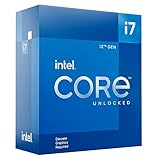
- Built for the Next Generation of Gaming. Game and multitask without compromise powered by Intel’s performance hybrid architecture on an unlocked processor.
- Discrete graphics required
- Compatible with Intel 600 series and 700 series chipset-based motherboards
- Intel Core i7 3.60 GHz processor offers more cache space and the hyper-threading architecture delivers high performance for demanding applications with better onboard graphics and faster turbo boost
- The Socket LGA-1700 socket allows processor to be placed on the PCB without soldering


- Game Without Compromise. Play harder and work smarter with Intel Core 14th Gen processors
- 20 cores (8 P-cores plus 12 E-cores) and 28 threads. Integrated Intel UHD Graphics 770 included
- Up to 5.6 GHz with Turbo Boost Max Technology 3.0 gives you smooth game play, high frame rates, and rapid responsiveness
- Compatible with Intel 600-series (with potential BIOS update) or 700-series chipset-based motherboards
- DDR4 and DDR5 platform support cuts your load times and gives you the space to run the most demanding games

- 10 cores (6 P-cores plus 4 E-cores) and 16 threads
- Performance hybrid architecture integrates two core microarchitectures, prioritizing and distributing workloads to optimize performance
- Up to 4.7 GHz unlocked. 20MB Cache
- Compatible with Intel 600-series (with potential BIOS update) and 700-series chipset-based motherboards
- PCIe 5.0 and 4.0 support. DDR4 and DDR5 Memory support. RM1 thermal solution included. Discrete graphics required.

- Next‑Gen Platform Support: Compatible with Intel 800 Series Chipset‑based motherboards with LGA1851 Socket enabling PCIe 5.0/4.0 and high‑speed DDR5 memory (up to 7200 MT/s).
- Ultra‑Fast Boost Clocks: Reaches up to 5.5 GHz max turbo frequency for top‑tier responsiveness and performance
- Built for Enthusiasts: Unlocked for performance tuning when paired with Intel Z‑series chipsets, making it ideal for overclockers and power users.
- Robust Power & Thermal Design: Engineered with 125W base power and 250W max turbo power to sustain high‑intensity
Choosing the perfect Intel processor really comes down to what you’ll actually be using it for. Let’s break down some popular series. The Core i3 line is generally plenty fast enough for everyday use, like checking emails and browsing the web. If you’re building or upgrading a machine, the Core i5 offers a fantastic blend of performance. these chips handle multitasking, office apps, streaming video, and simple photo editing without a problem. Looking for top-tier performance? The intel Core i7 processors are built for handling heavy workloads. Think tackling demanding video projects, gaming, complex spreadsheets-stuff that puts a real strain on your computer.They offer more power to quickly smooth out those trickier tasks.Now consider the number of actual processors you’ll need on your motherboard. Most systems are set up to handle just a single chip, so one physical core is what usually plugs right into the socket. If you’re dreaming up something more elaborate with multiple chips across several sockets, that’s a heavier lift for your system’s memory controller. Focusing on a single core keeps things easier to manage in memory bandwidth and overall control. For the majority of folks,especially if you’re putting together a straightforward desktop or a potent gaming rig,spinning up just one powerful processor from the i3,i5,or i7 families will do the job smartly. This central understanding guides you towards personalizing your choice based on the actual kind of powerhouse you need, hitting the right speed and capability targets for your future computing adventures thanks to this focused selection strategy.
Finding the Ideal Intel Core Processor for Your Task

- Get ultra-efficient with Intel Core Ultra desktop processors that improve both performance and efficiency so your PC can run cooler, quieter, and quicker.
- Core and Threads 24 cores (8 P-cores plus 16 E-cores) and 24 threads. Integrated Intel Graphics included
- Performance Hybrid Architecture Integrates two core microarchitectures, prioritizing and distributing workloads to optimize performance
- Performance Unlocked Up to 5.7 GHz unlocked. 40MB Cache
- Compatibility Compatible with Intel 800 series chipset-based motherboards
- Built for the Next Generation of Gaming. Game and multitask without compromise powered by Intel’s performance hybrid architecture on an unlocked processor.
- Discrete graphics required
- Compatible with Intel 600 series and 700 series chipset-based motherboards
- Intel Core i7 3.60 GHz processor offers more cache space and the hyper-threading architecture delivers high performance for demanding applications with better onboard graphics and faster turbo boost
- The Socket LGA-1700 socket allows processor to be placed on the PCB without soldering
- Game Without Compromise. Play harder and work smarter with Intel Core 14th Gen processors
- 20 cores (8 P-cores plus 12 E-cores) and 28 threads. Integrated Intel UHD Graphics 770 included
- Up to 5.6 GHz with Turbo Boost Max Technology 3.0 gives you smooth game play, high frame rates, and rapid responsiveness
- Compatible with Intel 600-series (with potential BIOS update) or 700-series chipset-based motherboards
- DDR4 and DDR5 platform support cuts your load times and gives you the space to run the most demanding games
- 10 cores (6 P-cores plus 4 E-cores) and 16 threads
- Performance hybrid architecture integrates two core microarchitectures, prioritizing and distributing workloads to optimize performance
- Up to 4.7 GHz unlocked. 20MB Cache
- Compatible with Intel 600-series (with potential BIOS update) and 700-series chipset-based motherboards
- PCIe 5.0 and 4.0 support. DDR4 and DDR5 Memory support. RM1 thermal solution included. Discrete graphics required.
- Next‑Gen Platform Support: Compatible with Intel 800 Series Chipset‑based motherboards with LGA1851 Socket enabling PCIe 5.0/4.0 and high‑speed DDR5 memory (up to 7200 MT/s).
- Ultra‑Fast Boost Clocks: Reaches up to 5.5 GHz max turbo frequency for top‑tier responsiveness and performance
- Built for Enthusiasts: Unlocked for performance tuning when paired with Intel Z‑series chipsets, making it ideal for overclockers and power users.
- Robust Power & Thermal Design: Engineered with 125W base power and 250W max turbo power to sustain high‑intensity
Let’s find the perfect Intel Core processor for your needs. Choosing is easy when you know your main task. Basic tasks like web browsing and word processing need less power. Steady performance works great hear. For light users, good options include Intel core i3, Pentium, or Celeron models. These provide smooth operation without high costs. They handle daily activities like email, streaming, and simple spreadsheets. Look for processors with essential features.Basic integrated graphics is needed if you connect a monitor directly. Enough RAM, like 4GB or 8GB, works well together. If you’re looking for everyday use, value rules strongly. Pick a processor running at common clock speeds, like around 2.0GHz or slightly higher.Intel Core i3s are smart choices for simple tasks. They offer enough power compared to their price. This pair brings solid basics to your device.
Deeper tasks require more computing muscle. Processing involves multiple steps. If you work creatively, like edit videos or photos, need faster cores. More also work better with multitasking. Common needs for these tasks frequently enough meen Intel Core i5 or i7 models. These CPUs balance speed and efficiency well. They manage heavy workloads like Adobe software or gaming. You should look for processors with improved multi-core performance. More cores help with calculations and editing tasks. Also, check for good single-core speed scores. This affects how quickly programs start and open files. Newer generations deliver better performance too. Avoid historically low marks if using them. Prioritize modern chips even if previous generations are cheaper. They frequently enough perform much better for your money. These help you do work quickly without computer slowing down.
tailoring Your Intel Core Experience for Different user Types

- Get ultra-efficient with Intel Core Ultra desktop processors that improve both performance and efficiency so your PC can run cooler, quieter, and quicker.
- Core and Threads 24 cores (8 P-cores plus 16 E-cores) and 24 threads. Integrated Intel Graphics included
- Performance Hybrid Architecture Integrates two core microarchitectures, prioritizing and distributing workloads to optimize performance
- Performance Unlocked Up to 5.7 GHz unlocked. 40MB Cache
- Compatibility Compatible with Intel 800 series chipset-based motherboards
- Built for the Next Generation of Gaming. Game and multitask without compromise powered by Intel’s performance hybrid architecture on an unlocked processor.
- Discrete graphics required
- Compatible with Intel 600 series and 700 series chipset-based motherboards
- Intel Core i7 3.60 GHz processor offers more cache space and the hyper-threading architecture delivers high performance for demanding applications with better onboard graphics and faster turbo boost
- The Socket LGA-1700 socket allows processor to be placed on the PCB without soldering
- Game Without Compromise. Play harder and work smarter with Intel Core 14th Gen processors
- 20 cores (8 P-cores plus 12 E-cores) and 28 threads. Integrated Intel UHD Graphics 770 included
- Up to 5.6 GHz with Turbo Boost Max Technology 3.0 gives you smooth game play, high frame rates, and rapid responsiveness
- Compatible with Intel 600-series (with potential BIOS update) or 700-series chipset-based motherboards
- DDR4 and DDR5 platform support cuts your load times and gives you the space to run the most demanding games
- 10 cores (6 P-cores plus 4 E-cores) and 16 threads
- Performance hybrid architecture integrates two core microarchitectures, prioritizing and distributing workloads to optimize performance
- Up to 4.7 GHz unlocked. 20MB Cache
- Compatible with Intel 600-series (with potential BIOS update) and 700-series chipset-based motherboards
- PCIe 5.0 and 4.0 support. DDR4 and DDR5 Memory support. RM1 thermal solution included. Discrete graphics required.
- Next‑Gen Platform Support: Compatible with Intel 800 Series Chipset‑based motherboards with LGA1851 Socket enabling PCIe 5.0/4.0 and high‑speed DDR5 memory (up to 7200 MT/s).
- Ultra‑Fast Boost Clocks: Reaches up to 5.5 GHz max turbo frequency for top‑tier responsiveness and performance
- Built for Enthusiasts: Unlocked for performance tuning when paired with Intel Z‑series chipsets, making it ideal for overclockers and power users.
- Robust Power & Thermal Design: Engineered with 125W base power and 250W max turbo power to sustain high‑intensity
Some people need the computer humming along smoothly to stream videos or chat without slowing down. These are often creators or heavy users working with lots of media or complex software. An Intel Core processor designed for this kind of workload offers just the right amount of processing power. You’ll find cores and threads put to work effectively, helping your projects move forward without frustration. It’s the right starting point if smooth performance for demanding creative tasks tops your list.Then there’s the everyday user needing a solid machine for setting emails, browsing the web, or sending documents. For this group, a powerful performance grade might be more than needed. But don’t underestimate what a capable Intel Core can handle on a budget! Many processors offer strong multitasking abilities, keeping applications running smoothly and the system ready for your next task. It’s about finding the right balance for common activities and needs.
Long-Tail Keyword: Intel processor for content creators needs
Long-Tail Keyword: Best Intel Core for basic computer tasks
Conquering Demanding Tasks: Intel Processors for Maximum Performance
- Get ultra-efficient with Intel Core Ultra desktop processors that improve both performance and efficiency so your PC can run cooler, quieter, and quicker.
- Core and Threads 24 cores (8 P-cores plus 16 E-cores) and 24 threads. Integrated Intel Graphics included
- Performance Hybrid Architecture Integrates two core microarchitectures, prioritizing and distributing workloads to optimize performance
- Performance Unlocked Up to 5.7 GHz unlocked. 40MB Cache
- Compatibility Compatible with Intel 800 series chipset-based motherboards
- Built for the Next Generation of Gaming. Game and multitask without compromise powered by Intel’s performance hybrid architecture on an unlocked processor.
- Discrete graphics required
- Compatible with Intel 600 series and 700 series chipset-based motherboards
- Intel Core i7 3.60 GHz processor offers more cache space and the hyper-threading architecture delivers high performance for demanding applications with better onboard graphics and faster turbo boost
- The Socket LGA-1700 socket allows processor to be placed on the PCB without soldering
- Game Without Compromise. Play harder and work smarter with Intel Core 14th Gen processors
- 20 cores (8 P-cores plus 12 E-cores) and 28 threads. Integrated Intel UHD Graphics 770 included
- Up to 5.6 GHz with Turbo Boost Max Technology 3.0 gives you smooth game play, high frame rates, and rapid responsiveness
- Compatible with Intel 600-series (with potential BIOS update) or 700-series chipset-based motherboards
- DDR4 and DDR5 platform support cuts your load times and gives you the space to run the most demanding games
- 10 cores (6 P-cores plus 4 E-cores) and 16 threads
- Performance hybrid architecture integrates two core microarchitectures, prioritizing and distributing workloads to optimize performance
- Up to 4.7 GHz unlocked. 20MB Cache
- Compatible with Intel 600-series (with potential BIOS update) and 700-series chipset-based motherboards
- PCIe 5.0 and 4.0 support. DDR4 and DDR5 Memory support. RM1 thermal solution included. Discrete graphics required.
- Next‑Gen Platform Support: Compatible with Intel 800 Series Chipset‑based motherboards with LGA1851 Socket enabling PCIe 5.0/4.0 and high‑speed DDR5 memory (up to 7200 MT/s).
- Ultra‑Fast Boost Clocks: Reaches up to 5.5 GHz max turbo frequency for top‑tier responsiveness and performance
- Built for Enthusiasts: Unlocked for performance tuning when paired with Intel Z‑series chipsets, making it ideal for overclockers and power users.
- Robust Power & Thermal Design: Engineered with 125W base power and 250W max turbo power to sustain high‑intensity
Let’s look at how different Intel processors handle tough computer jobs. Some processors are built for heavy lifting. If you’re building a game PC or editing video, you need power. Intel offers several levels of power in their processor lineup.
Choose the right processor for your specific needs. A newer Core i5 can handle most tasks for average users. Serious gamers and content creators frequently enough prefer Core i7 or i9 models. These processors speed things up significantly. You’ll see faster loading times and better performance.
(At the bottom of your post, please insert: Read more about choosing the right processor coolers after researching the best Intel processor types.)
Here are some other powerful processors you might consider for demanding tasks generating maximum performance scores for your specific computing projects. These CPUs include models you naturally might research after first understanding the best Intel processor types according to your needs. Determining the ideal processor requires matching specs to your specific workloads. The Core i7 series typically delivers balanced power for enthusiasts and professionals alike.
You can explore compare different CPU generations on Amazon easily. Search using keywords relevant to your upgrade path like “processor cooler needs informed by CPU generations” or ”best Intel processor for your money non-glorified guidance.” Focusing on sustained performance is key, not just brief benchmarks. Understanding TDP and multi-core scores helps match the right processor whether it’s the Core i3 starting point or higher level.
Q&A
okay, here’s a creative Q&A approach, presented in a neutral, informative style for an article on choosing the “Best Intel Processor for Your Needs.”
Q&A: Decoding Your Intel Core: Finding Your Perfect Processor Match
Article Title: The Ultimate Guide: Best Intel Processor for Your Needs
Q1: Okay, I’m building my first PC or upgrading my laptop.Where do I start if the options feel like a bewildering forest with no path?
A: Ah,the thrilling,slightly overwhelming world of Intel Core processors! It’s like trying to choose the perfect pair of shoes; you want something agreeable (responsive) and good looking (powerful),but you need it tailored to your intended adventures.
Think of the Intel Core lineup as different outfits:
The Everyday Casual Wear (Budget/Basic Need): If you just need a smooth web-browsing,email,and media consumption experience – maybe throwing a few documents or basic photo edits around - an Intel Core i3 (likely the latest generation consumer or the budget-friendly Pentium/CELERON chips) is perfectly adequate. It’s comfortable, reliable, and provides just the right baseline performance.It’s a solid foundation, albeit basic.
The Versatile smart Casual (Good Mid-Level Usage): Feeling aspiring? Multitasking, moderate video streaming, picking up that tricky work report, playing older games or slightly demanding esports titles? This is where the Intel Core i5 shines. It’s like a reliable t-shirt and chinos – versatile, comfortable for most things, and a step above the rest. The latest i5-13th/14th (Raptor Lake) or older i5-12th/11th gen desktop CPUs, or mobile i5-U/P/H series chips on laptops, are fantastic spots here.
The Stylish Power Suit (Higher Performance Demand): Your workflow is starting to need serious horsepower! Maybe you’re into modern gaming (think high-resolution textures, ray tracing), running a small creative studio, or need maximum multitasking with demanding web apps. Enter the Intel Core i7. This is where performance starts to flex its muscles.Look for the i7-13th/14th (Raptor Lake P/E) or older i7-12th/11th (Comet Lake/Husky Lake for laptop) generations for great modern desktop performance, or powerful mobile “H” (for laptops) chips. It’s the comfortable degree for the truly performance-conscious.
The Designer’s Custom Suit (Extreme Performance/pro Needs): Are you tackling complex professional video editing with heavy effects, complex 3D rendering, compiling massive software projects, or bleeding-edge scientific computing? Plus, you might want that guarantee of future-proof performance for 8K at 120Hz gaming (though currently used differently). Intel Core i9 (like the latest i9-13th/14th, though enthusiast desktop market). On laptops, look for i9-H/AMD Ryzen 9 HS chips. This is absolutely premium territory, often more CPU power than you strictly need for the task, but providing top-tier raw speed and generally more cores, though DDR5 options might have slightly different memory timings vs DDR4 i7s.
The key takeaway? Match the processor power to your typical tasks. For most people, an i5 offers the best blend of performance and price. For budget basics, an i3 suffices. For serious power users, look towards i7 or i9.
Q2: I’m buying a laptop. The marketing blurb talks “i5-U”, “i5-H”, “i5-P”… What do those letters mean, and is a budget-friendly mobile chip enough?
A: Those letter suffixes on Intel chips are known as Mobile Processor Generations, designed for laptops: U (Ultra Low Voltage/Ultra Power Saver), Y (Yocto low Voltage – even more power efficient, often trade-off speed for battery life), H (High Power – the performance hounds we talked about earlier, offering powerful desktop-like performance with efficient cooling), P (performance – balanced, designed for speed while being more battery friendly than the ‘H’ series, popular in ultraports and thinner laps), E (Entry-level – older, less powerful mobile chips, often predecessors).
Essentially:
U/P/Y: Look to these for maximum battery life. Performance is good for general use, light multitasking, basic photo/video, but may struggle or render slower with anything more intensive. Good if your priority is being away from the power outlet!
H/E: Look here for the punchiest laptop performance: heavy gaming, demanding apps, multitasking with ease. These chips exactly mirror their desktop counterparts.So, is a budget ‘P’ or ‘E’ chip enough? For light-to-moderate use, especially if you can plug it in often for games/creatives, yes. Prioritize the generation of the chip (e.g., Intel Evo platform for specific performance criteria marked on some recent laptops) over the absolute brand if budget is tight. Think of it like the laptop’s “CPU engine.” If you’re gaming a lot, you must target the ‘H’ version, even if it costs more.
Q3: you talk about “Generations”… why should I care about the 11th versus the 13th? What’s the point in upgrading?
A: Each generation,Intel (and AMD) introduces new features and optimizations based on manufacturing advancements.
Frequently enough, these are binary improvements:
Better plugs and play: updated connectivity standards (wi-Fi 6E, Thunderbolt 4).
Smaller features: newer instruction sets (like AVX3), potentially better integrated graphics in non-gaming models.
Improved memory performance: better speeds/timings for the same memory kit, or support for newer memory types (Intel moved to DDR5 with their 12th gen).
Performance uplift: usually somewhat better single-core performance (more significant for responsiveness and gaming) and often more significant enhancement in multi-core performance (where tasks like photo/video editing, compiling, encoding excel). Cores often increase.
Think of it like software updates for your operating system: sometimes very minor changes you barely notice, other times it revolutionizes how you use your computer. Performance gains usually require the newer generation chip.
however, there are always exceptions. Sometimes an older generation chip from a different SKU (Internal code name series) might offer slightly better gaming performance or better single-thread performance – you’d need to know the specific chips to compare then! Generally though, a new generation is almost always a safer bet for ”better or same.”
Q4: What processor should I get if I want to game, or create/edit video/content? The charts frequently enough look different!
A: Here’s where the specific “best” choice can vary slightly:
Gaming: Modern gaming heavily relies on a combination: a capableCPU (keep a core speed above roughly 3.5GHz helps), a powerful GPU (graphics card is more critical right now, nVidia RTX or AMD RX), Sufficient RAM (16GB DDR4, 32GB DDR5 preferred), and good storage (nvme SSDs).
We generally stick with i5, i7, i9. Below are examples (based on the previous relevant generation, but apply reasoning carefully to current equivalents):
Budget/Solid Mid-tier: 13TH/14TH: i5-13400/13400F / i5-12400F (DDR4 cheaper/rarer; newer slightly faster DDR5 like i5-13400F/D-5120 are cheaper & good)
Full Performance: 13TH/14TH: i5 (e.g., i5-13600KF/Q, i5-12600K/i5-13700K) / i7 (e.g., i5-13400F/D gives muscle; i7-12700K/i7-14700K at this level great), i7 Kaby review 13TH/14TH) – more cores benefit multi-game/multi-tasking.
i9 Overkill? If you want jaw-dropping validation across everything, and your budget allows, yes i9 exists at this level! But again, prioritize a matching/newer generation GPU.
Tip: Look for the “F” series for desktop chips (e.g., i5-13400F) to save a bit before buying a high-end gaming GPU, as they disable the integrated graphics. The “K” suffix frequently enough means higher clock speeds, essential for gaming.
Content creation/Video Encoding/Graphics: This is fascinating because increasing cores is extremely valuable! while clock speed still matters, multi-core performance (performance per core multiplied by the number of cores) lifts encoding tasks dramatically. This software frequently enough uses multiple CPU cores and GPU cores simultaneously.
The sweet spot often moves to i5 again, especially the higher-core-count i5-12/13 F-series like the i5-12400F (fewer cores), but critically the i5-12490F (11th gen) or newer i5-13400F (5 large + 8 small P-cores on Lakeport is current gen) or even i7-13700K/X (greater core counts, often in enthusiast setups like 16/20 cores). In the mobile sphere, more cores means investing in a powerful H-series phone/tablet.
Target the latest generation here heavily as well!
Beyond these, consider integrated graphics performance (Intel Arc graphics built on some chips, ARAM graphics) if you need a GPU built-in for budget/laptop-only setups.
Q5: And what about the very top end? Professionals needing maximum crunching power?
A: If you’re in 3D animation rendering, scientific computation, maxed-out photo/video editing (not just performance, but tool sophistication), dealing with large datasets – you’re talking serious juice.
These scenarios frequently enough prioritize:
- Massive Core Counts: Especially for rendering (GPU acceleration helps, but often CPU-bound too), complex calculations, compiling massive projects. i9 chips offer this highest in their consumer tier, frequently enough reaching 6,8, 10, 14, 16, 18, or even 24+ cores (some chips carry ‘X’ suffix, like i9-14900K; these are top-tier desktop chips). Look for chips quoted with 14/16 cores (Intel ‘H’ series on laptops, ‘HX’/HX Gen3 performance better for pro laptops). The absolute top Intel desktop chip per generation is usually the i9 with the highest core count and highest clock speeds.
- Turbo Performance: Extreme coolers/watercooling allowed.Older high-end i7 or i9 chips (like the kaby lake HX mobile chips, though these were Elbrus unlocked SKU) might surprise, but few top-in-line Kaby reviews list these days.
- Professional Quality/Connectivity: Frequently enough satisfied only by high-end workstation platforms from Intel or AMD, usually targeting specific stability, error-checking, or ruggedized features, or the latest enthusiast hardware, needing server-grade SOCs.
In short: Professionals! While you’ll likely go with an i7 or i9, understand the specific workload benefits cores and that raw processor power is part of professional tools, even if system memory and storage frequently matter more.
Q6: Pop quiz time! If I want an all-purpose powerful machine for work, streaming, gaming sometimes, and regular creative hobby stuff, but want longevity – what’s the sweet spot?
A: Good choice! Based many of the previous replies! The classic Intel Core i5 of the latest or previous generation (e.g., i5-13400 or 13400F) frequently enough provides the best balance and longevity currently available*.
It usually has a great blend of clock speed (good for gaming, responsiveness), core count (good for multitasking, encoding, office apps, streaming alongside), and price.It fits your “powerful” requirement without being the absolute highest wattage, allowing for longevity due to power efficiency and generally being well-represented in both desktop and mobile platforms. This tends to stay reliable for years. If your budget allows and there’s a compelling GPU e upgrade or if you crave that extra bandwidth for loading, an i7 (e.g., i7-13700K/X) or even the budget mobile ‘H’ version might be tempting. But don’t overlook the enduring value of a top-tier i5.
Whether building a desktop tower or a cutting-edge laptop, matching your processor to your lifestyle and tasks means you’ll be clicking, streaming, gaming, and creating faster than ever before! Good luck navigating the chips!
Closing Remarks
Okay, here are a few creative yet neutral options for an outro to an article about the best Intel processors:
Option 1 (Focus on Empowerment/Nostalgia):
“> There you have it: Intel processors, a legacy firmly embedded in countless machines, remain a cornerstone of computing power for millions. The “best” choice truly hinges on dissecting your own core requirements, balancing wattage with velocity. Whether you’re navigating intricate spreadsheets, diving into complex advancement environments, editing cinematic sequences, or just browsing the web, the lineage possesses options to accelerate your experience. Let intel’s proven strength become your ally. Happy Computing.”
Option 2 (Focus on Choice/Expertise):
“> Navigating the processor gauntlet has brought you to a clearer understanding: Intel offers a compelling catalog, strategically chosen to cater to a vast spectrum of demanding tasks. The nuance lies in correlating features with your specific workflow’s rhythm and intensity. This isn’t simply selecting hardware; it’s tailoring a performance ecosystem. Your unique computing ambitions-let them guide the selection. Immerse yourself further into the capabilities that Intel brings to today’s demanding computing experiences.”
option 3 (Slightly More Question-Oriented):
“> The landscape of Intel’s offerings is revealed.Now,the crucial question transforms from “which is best?” to “which fuels my path?” The journey relies on pinpointing the intersection between raw processing might,efficiency,and budget appropriate to your technological domain. An informed choice empowers highly effective computing complexes,effectively amplifying productivity and creative engagement. Take these insights, weave them into your evaluation, and secure the computing momentum you genuinely require.”
Choose the option that best complements the tone and closing you envision for your main article.