Here are a few options for an introduction,playing with the creative aspect while maintaining a neutral tone:
Option 1 (Focus on Simplicity & Power):
Blood pressure is a vital sign.Tracking it is significant. Often, getting an accurate reading feels slightly elaborate.Why find the pharmacy’s manual cuff awkward? Why battle awkward inflation sounds when using common devices? If you want the best way to monitor blood pressure in the comfort of yoru own home – perhaps from any cosy armchair – you need a solution that balances two essential elements: accuracy and ease. Forget complex procedures.Understanding your numbers shouldn’t be messy. Sometimes,the simplest tools offer the most empowering results for managing your well-being from the familiar comfort of the couch.
Option 2 (Focus on Transition & Empowerment):
Maintaining health relies, in part, on understanding key bodily functions like blood pressure. The road to better cardiovascular awareness often starts at home. It makes sense – many of us prefer the privacy and convenience of monitoring our vital signs. Yet, manually squeezing cuffs while perched stiffly frequently enough feels less ‘home use’ and morelab experience.How nice is it to actually want a reading, not dread it? This article explores monitors designed for real-world comfort and consistent accuracy. Find the ideal device - easy to use while your hands are free for scrolling or relaxing – and take the first step towards more manageable health tracking.
Option 3 (More Casual & Benefit-Oriented):
Forget juggling awkward gadgets and messy arm wraps. Ever wondered how easy tracking your blood pressure coudl actually be? You might be relaxed on the sofa, wanting a rapid, accurate check. Modern technology offers fantastic tools designed for simplicity and precision. No more squeezing; just simple cuff placement and a reliable reading. The goal isn’t complexity; it’s confidence. This guide cuts through the noise to help you find the best home blood pressure monitor. Discover a device that truly supports your health tracking journey, right were you are, comfortably.
Choose the one that best fits the overall tone and style of the article. They all aim to capture the essence of wanting an easy and accurate monitor for convenient home use without resorting to overly technical or exuberant language.
Table of Contents
- From bathroom To Couch Comfort: Why Placement Matters
- Understand the Tech, Not Just the Numbers: Key features to Evaluate
- Hands-On Picks: Specificity Over Generality for Your Daily Check-ins
- Beyond accuracy: The Lifestyle Advantages of Convenient Monitoring
- Q&A
- The way Forward
From Bathroom To Couch Comfort: Why Placement Matters
No products found.
nothing’s better than catching your blood pressure number right there on the couch or in a comfy spot when you need quick info. Actually, what often happens is people set up their monitor somewhere practical like the bathroom or bedroom, but could be overlooking how the placement itself can mess up the accuracy. think about it: tough spots like using a machine next to a noisy washing machine or downstairs in a fridge room might create wonky readings. Often, simple steps like sitting steady and relaxed - maybe away from those buzzing mirrors or signal issues – will give much truer results. Easy everyday choices can positively help you get a real picture of your health without even noticing your doing it.Your smart gadget is meant for the home setting, really for tracking changes frequently enough, so putting it somewhere thoughtful matters. Finding a calm spot in your house encourages you to keep using it again and again. Naturally, the easiest ways make tracking patterns much easier to manage. A good spot helps you hit that sweet spot time and time again for reliable health updates.
Understand the Tech, Not Just the Numbers: Key Features to Evaluate
No products found.
What’s the reading look like? And why does arm size matter so much? Finding a good home blood pressure monitor hinges on getting an accurate number you can trust, and arm compatibility is critical. Just matching your wrist for wrist or sleeve for sleeve isn’t enough. the machine needs to correctly fit your specific arm size (small, medium, large). An ill-fitting cuff, even on a machine designed for an “average” arm, can give completely wrong readings. Look for models offering genuine cuff options (often small, large) beyond the standard, to find a monitor truly suitable for your body type. That simple sizing detail makes a huge difference for reliable at-home tracking.
Beyond the fit, consider how the technology works and how easy it is to interact with. most digital monitors use an oscillometric mechanism, a digital monitor that tracks pressure changes via inflating and deflating air. The key features to focus on are the pump mechanism, how fast or slow it inflates and deflates, and the inflation speed, if it’s adjustable. A cozy deflation and a reasonable auto-inflate speed really make the readings less annoying if you sit on the couch. Another big usability help is a memory function, storing readings without needing to manually press a button each time, plus a large, easy-to-read display, especially for those wearing glasses.
Hands-On Picks: Specificity Over Generality for Your Daily Check-ins
No products found.
Finding the right monitor means more than just accuracy; it’s about a device that fits your daily life. That’s why many folks start searching specifically for best digital home blood pressure monitor for easy readings. You want something simple to use right at your kitchen counter, quickly providing clear numbers. Think easy cuff placement, intuitive buttons, and simple display screens that offer peace of mind without complication, making tracking your health readings feel like just part of a regular routine you don’t even have to think much about.The other option worth considering is best upper arm blood pressure monitor for comfortable comfort during daily checks. For those who find wrist or forearm wraps tough or distracting, an upper arm monitor offers frequently enough more comfort. While digital monitors offer great convenience, the full support of an upper arm cuff, wrapped traditionally around the bicep, provides consistent and often more accurate results for extended family use across different people, especially targeting sensitive skin or elderly users needing assistance.What to Look For: amidst the Models,Aiming for Your Best Health Track
Choosing wisely involves focusing on reliability and clarity. These monitors aren’t just gadgets; they’re tools for understanding your well-being. First, look closely at the monitor’s heart rate display features alongside your blood pressure readings. Knowing your heart rate gives a greater overall health snapshot instantly linked to your pressure measurements, helping you quickly understand trends or immediate reactions, just like checking both temperature and humidity tells you how you feel in a room.
Screen brightness is another subtle yet important quality marker, especially if taking readings varies between day and night, or in different home lighting situations. A monitor offering adjustable backlight function proves genuinely useful across various home environments. This feature ensures clear visibility whether you’re first thing in the morning before the house lights are on or late evening readings needed after settling down. Finding a model that simply works comfortably for you and your daily flows makes all the difference in tracking your health seriously over time.
Beyond Accuracy: The Lifestyle Advantages of Convenient Monitoring
No products found.
The best blood pressure monitors simplify tracking your vital health stats right at home. This convenience allows you to weave health checks effortlessly into your daily routine, perhaps even from your favourite relaxing spot on the couch.Checking your BP doesn’t mean sacrificing comfort; the right easy-to-use monitors fit seamlessly into nearly any lifestyle. You can slip a cuff on, take a quick reading, and review the results, integrating this simple act without significant disruption. The ease of use transforms monitoring from a chore into a manageable part of your health regimen.
Beyond specific readings, dependable monitors empower you.They provide consistent access to your health data, helping you notice patterns and understand your body’s signals naturally. Understanding how various factors might influence your numbers encourages proactive habits and lifestyle adjustments. this ongoing awareness fosters a sense of control over your well-being, reducing uncertainty and renewed commitment to health tracking as you clearly see the correlation between small changes over time. Tracking becomes a positive action, reinforcing good habits with clear health insights.
Q&A
Okay, let’s craft this Q&A. Imagine it’s bylined by a health tech researcher or a wellness blogger, presented in an engaging, website-style format.
Beyond the Beep: Finding Your Perfect Blood Pressure Buddy
Living life comfortably, even when it comes to monitoring your blood pressure? And let’s be honest, getting accurate numbers is half the battle. The market is flooded with compact monitors promising “perfect readings” while fitting in your purse.
But which one is truly your reliable companion, effortlessly measuring from the comfort of your favorite armchair? We dove deep (metaphorically, via research!) to bring you insights on navigating the options for a home BP monitor that combines user-friendliness with serious accuracy.
Here’s our deep dive, presented as a Q&A:
(Image: Placeholder for an inviting, cozy home health corner scene, perhaps with a stylized bp cuff)
Q: Okay, where do I even start? ”Upper Arm,” “Wrist,” “Travel,” “Bluetooth”… my head’s spinning. Where should a person begin their quest for the perfect monitor?
A: Ah, the classic début of the home blood pressure (BP) journey! Think of your monitor like a tool in your wellness toolbox – the “best” choice depends entirely on your lifestyle, health needs, and body shape. For most people seeking easy use and accurate readings from nearly any position (cue: snuggled on the couch),upper arm monitors reign supreme. Popular models like Omron’s upper arm devices are often recommended by health professionals. Their larger cuff surface area provides a more reliable seal for accurate readings, and the arm provides stable support. Forget tiny wrist cuffs promising portability – they frequently enough fall short for everyday accuracy.
Q: That makes sense for many. But what’s the nitty-gritty of finding a “Quality” one within this upper arm category? Ouch, I hate generic ones I bought at the pharmacy.
A: We’ve all been there. The market is saturated, but here’s what truly separates the home heroes: the quality of their inflation system (pump) and the calibration. High-quality monitors, especially from reputable brands like Omron, Philips, or Memospace, often utilize stepless, electronically controlled deflation (Fluid-Fit or similar technology). Instead of a clunky pump turning up and down in big steps,it creates a smooth,gentle deflation curve. This mimics hospital-grade machines more closely,resulting in consistently accurate,cuff pressure-dependent readings.Avoid those with multi-step “hand pump” mechanisms, notoriously inconsistent. You want a precise destination (measured pressure), not an iterative scramble. And look for clear displays, easy-to-read measurements, and perhaps a digital sound cuff option (less messy, lets you leave your hands free if that fits your “couch-bound” use case).
Q: Smooth is good, sounds smart. What about those confusing cuff sizes? Can’t get one number to match the cuff on my huge arm…or my tiny wife needs her own?
A: Ah, cuff size was always a silent killer in this plot! The accuracy of your measurement hinges heavily on the cuff fitting snugly, but not crushingly, around 80-100% of the circumference of your upper arm. Using a cuff too small will blow your numbers way off high. Too big? leaves them low.Quality upper arm monitors often boast adjustable cuffs – allowing you to get the perfect fit for your arm size, and often, different cuff liners can be swapped for varying arm diameters. Importantly, your monitor should come with a cuff included for your arm’s size. Don’t sacrifice accuracy by hoping a generic, one-size-fits-most (and definitely doesn’t) cuff will cut it.
Q: So… wallflowers? Wrists? Forgive my reservations, but do wrist monitors have ANY place in the sun, or have they just completed their “fads” cycle?
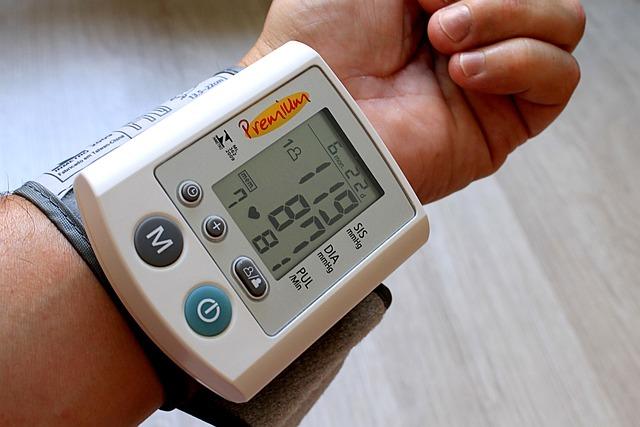
A: Introducing the Wrist Watchtowers of BP Monitoring: Adjust your blind spot! Wrist monitors are indeed still a valid, albeit niche, category. The main advantage is potential portability and convenience – slip it into a pocket or bag easily. The main drawback, amplified by frequent use at “any couch” height, is frequently enough decreased accuracy for home use, unless you truly adhere to the often-ignored prescribed position (nose against the inner wrist). They’re mostly designed and truly serious accuracy-focused for hospital settings. For reliable daily couch tracking, unless you’re very flexible with positioning, the larger, more stable upper arm remains the professional’s pick.Q: Okay, okay, cool hat. Now, the big payoff: I want readings I trust, not a crazy yo-yo day to day. Is that, dare I say, ”heart-monitor quality” achievable?
A: Absolutely! You absolutely can track your cardiovascular health effectively at home. The key lies in choosing a monitor validated by relevant health authorities (like many reputable ones are against ANSI/AAMI standards). More importantly, you must commit to consistent use, correct cuff placement (adjustable is your friend!), proper arm positioning (clean, clothed upper arm, level with your heart), and not smoking or moving immediately before measuring. Modern models, especially Omron’s Connected devices with Wi-Fi, can also aid adherence by pushing notifications and helping you log over time. It turns a simple measurement into a meaningful trend, a real health control tool.
Q: Finally! Any tips for the armchair-bound, lazy monitor-seekers out there - how to pick the easiest to use day-to-day? Less buttons, better display? You KNOW I hate wrestling with menus before a reading!
A: Ah, the holy grail of user experience! Ease-of-use for lazy couch users = maximum simplicity. Look for monitors with large, easy-to-read displays. Big black numbers against good contrast is key, especially if you’re reading in uncertain light. Intuitive one-button operation is a MUST for effortless, single-handed (or lazy-palm) start/stop.Features like automatic inflation save you from manually pumping that stepless system.Consider models that can be linked to an app for storage and tracking – it makes logging easier if motivation for tracking is part of your quest,but the core use should remain painless. Don’t spend an hour entering data you could have tracked better from day one.
(Optional closing graphic: A person, perhaps looking slightly more relaxed, arm comfortably resting over a nice big cuff)
A: There you have it – a modern guide to the modern medical gadget. It’s time to take the mystery (and the manuals!) out of choosing your home monitor. Find the perfect fit, sit back on the sofa, and let the accuracy beam a little peace of mind onto your routine. You can absolutely take control of your cardiovascular health from the comfort of your own space!
The Way Forward
okay, here are a few options for an outro, playing with slightly different creative angles while maintaining a neutral tone:
Option 1 (Focus on Control & Convenience):
Ultimately, the best home blood pressure monitor is more than just a gauging device; it’s a tool that empowers you to take meaningful steps towards maintaining your heart health.By choosing a model noted for both easy usability and reliable accuracy, you transform the very comfort of your couch into a potential hub for wellness. Whether you’re monitoring trends for personal knowledge or tracking changes during treatment, a dependable monitor fits seamlessly into the modern health-conscious lifestyle. Find the one that suits your needs,embrace the ease,and take consistent,confident action for your well-being.
Option 2 (Focus on Insight & Partnership):
Tracking blood pressure accurately is essential, but the process shouldn’t be complicated. The ideal monitor offers a partnership that blends simplicity with scientific reliability, letting you stay informed without the hassle. As the days blend into months and months into a clear picture of your health emerges-right from your favorite spot on the couch-knowing your numbers are trustworthy is invaluable. It’s about transforming a simple reading into a steady stream of insights, helping you navigate your health journey with clarity and assurance.
Option 3 (Focus on Clarity & Modern Life):
In the rhythm of everyday life, finding the time and means to truly understand your health can feel like a challenge. An excellent home blood pressure monitor-characterized by user-friendly design and precise measurements-cuts through that complexity. It offers you a straightforward way to demystify a crucial health metric. Imagine glancing at your readings consistently, knowing they paint an accurate picture of your cardiovascular well-being, all without sacrificing comfort. This blend of easy access and authentic data supports a proactive approach to health, rooted firmly in the reality of your daily routine.